Bates Matters
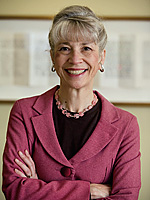
In my travels for The Campaign for Bates and Sesquicentennial events, I’ve encountered high levels of enthusiasm and pride among our alumni and parents, as well as some surprise about the financial realities of higher education today. I’ve also heard a few sympathetic variants of the “What’s a nice girl like you” question: “Isn’t it a shame that college presidents nowadays have to spend so much of their time fund raising?”
I appreciate the thought, but in fact the fund-raising part of my job is neither onerous nor so different from the work of prior presidents. I relish the opportunity the campaign gives me to share my excitement about the College’s future. And if there were ever a Golden Age when college presidents could focus exclusively on the life of the mind while others worried about paying the bills, Bates founder Oren B. Cheney and I, 150 years apart, both missed it.
Bates’ financial needs were great at the time of its founding. Just as our current operating budget relies on the cumulative power of many gifts to the Bates Fund, so too the fledgling College depended on regular donations from Freewill Baptists and supportive citizens of Lewiston. Once, President Cheney appealed to Sunday school children for $1 offerings. With their small gifts, the good schoolchildren sent pithy and touching notes like this one:
Mr. Cheney
I have just been reading your piece in the Star and thought I would send you my dollar. It seems very small but my sister says that the great Ocean is made of little drops. I intend to go to Lewiston to school. I am 11 years old. My little cousin D.B.C. wishes me to enclose a dollar for him.
S.A.C.
The Sunday school campaign raised considerable funds and also taught the power of the collective and the difference that everyone’s gift, no matter how small, can make. For these children, contributing to Bates planted seeds of ambition at a time when few aspired to higher education. Moreover, they learned to feel responsible for the school — they wanted Bates to exist in the future, just as today’s students and alumni make gifts that sustain the College for tomorrow.
Cheney also needed large gifts to stabilize the school’s fiscal foundation. No one responded more generously to Cheney’s solicitations than industrialist Benjamin Bates. Bates gave transforming sums of money and backed the president when others opposed his idea of turning the seminary into a college. As resistance mounted, the prophetic Cheney urged Bates to “go right ahead, [pay] no attention to criticism, and in due time they will see that we are right and your name will be highly honored for your foresight and help.” To this Mr. Bates replied, “I will stand by you, Mr. Cheney.”
In 1864 alone, Cheney visited Benjamin Bates 17 times in Boston, and after the industrialist died in 1878, the president meditated by his grave, at Mount Auburn Cemetery in Cambridge. Bates’ death was a disaster for the College, not just because we never received the second $100,000 promised during his lifetime, but also because Cheney lost what presidents still need most: partners who share their vision and can help make it real.
The loss of a staunch supporter is all the more distressing because not everyone a president solicits is interested in helping. Bates historian Alfred Anthony noted that in difficult times, Cheney’s “eager persistency” sometimes made “the good President…and his cause altogether unacceptable to many upon whom he called for aid.” But fortunately, Cheney had other chances to share in the joy that donors felt then, as they do today, when they make a lasting contribution to a worthy cause. In spring 1856 he went to Woolwich, Maine, to call on Seth and Mary Hathorn, who subsequently donated the College’s first building. How thrilled Cheney must have been by Mrs. Hathorn’s enthusiasm: “I have been hoping and praying that God would open the way for a portion of our property to be disposed of where it would do some good after our death. I believe the Lord sent you here.”
Some 150 years later, Hathorn Hall stands as an enduring reminder of just how much was lovingly built by Bates’ earliest donors. But there is still ample room for each of us to make a difference. To do some lasting good, to sustain the future of American higher education at its very best, Bates alumni, parents, friends, and staff members must all understand and work hard at fund raising. A college president still depends on the wisdom, work, and wealth of many supporters, and “the great Ocean” is still “made of little drops.”