Earth and Climate Sciences at Bates
Earth and climate sciences are key to addressing scientific issues relating to energy, mineral, and water resource security, ecosystem and environmental stewardship, hazards risk assessment, adaptation and mitigation, and climate variability and change.
The Department of Earth and Climate Sciences strives to instill in students a lifelong curiosity of the Earth across vast spatial and temporal scales. We study the planet as a dynamic, interconnected system that evolves through time to shape our environment and to sustain life. At Bates, we investigate planetary history and habitability across diverse spatial and temporal scales — from the study of processes that affect our planet over deep time to the immediate impacts of sudden tectonic ruptures and rapid anthropogenic change.
Contact Us
Dr. Beverly Johnson
44 Campus Ave
Carnegie Science
Phone: 207-786-6062
bjohnso3@bates.edu
What You Will Learn

To work with your peers and faculty to build new knowledge and solve real-world problems

To translate complex data into compelling narratives for policymakers, the public, and the scientific community

How to design and conduct independent research and learn about new cultures while working with faculty and collaborators around the globe

To apply field observations from the Maine coast to global climate models and the geological history of other rocky planets

To gain hands-on mastery of sophisticated laboratory, field, and computational skills

How to present your research at professional regional and national conferences, where you’ll get the opportunity to network with global experts
Life After Bates
We prepare students for professional careers and to be well-informed, engaged citizens who use their expertise ethically to contribute to equity and social justice. We count among our notable alumni project scientists at NASA, professors at Harvard and Boston College, hydrogeologists, policy shapers, and researchers. Our alumni network is a cornerstone of the EACS experience, serving as a professional bridge for students as they transition from the classroom to the workforce. We facilitate direct connections with graduates who are leaders in their fields, and our alumni frequently return to campus to mentor current majors and help them navigate their own paths from the Maine coast to the global stage.
94%
of 2020-2024 Bates graduates are employed and/or attending graduate school — settled into their next opportunity within 6 months of graduation.
I loved geology because it combines every science: biology, ecology, chemistry, geochemistry, physics. It’s a little bit of everything. And you get to be outside a lot; the opportunity for field work was incredible. A geochemistry course in particular is the class that finally helped me decide I wanted to become a geologist. It really opened things up for me.
— Madeline Bruno ‘17
Selected Places of Employment/Service
- Enel X
- Haley & Aldrich
- Wood Group
- Radar Solutions International Inc.
- VHB
- Marine Biological Laboratory
- Hurricane Island Center for Science and Leadership
- Harvard University
- Mount Holyoke Range State Park
- Excel Academy
Selected Graduate Schools
- University of California, Berkeley
- University of Canterbury
- Boston College
- Columbia University
- Tufts University
- Oregon State University
Why Study Earth and Climate Sciences at Bates?
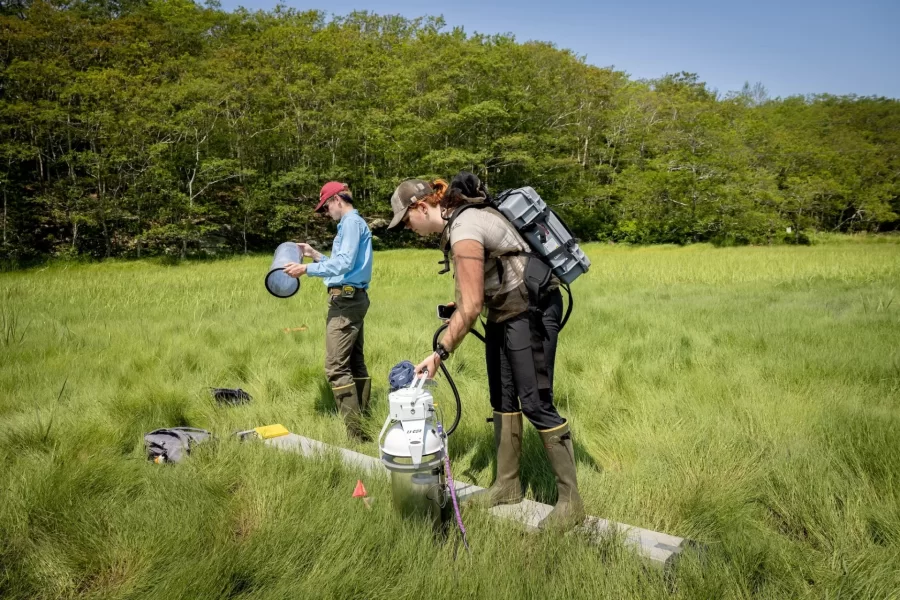
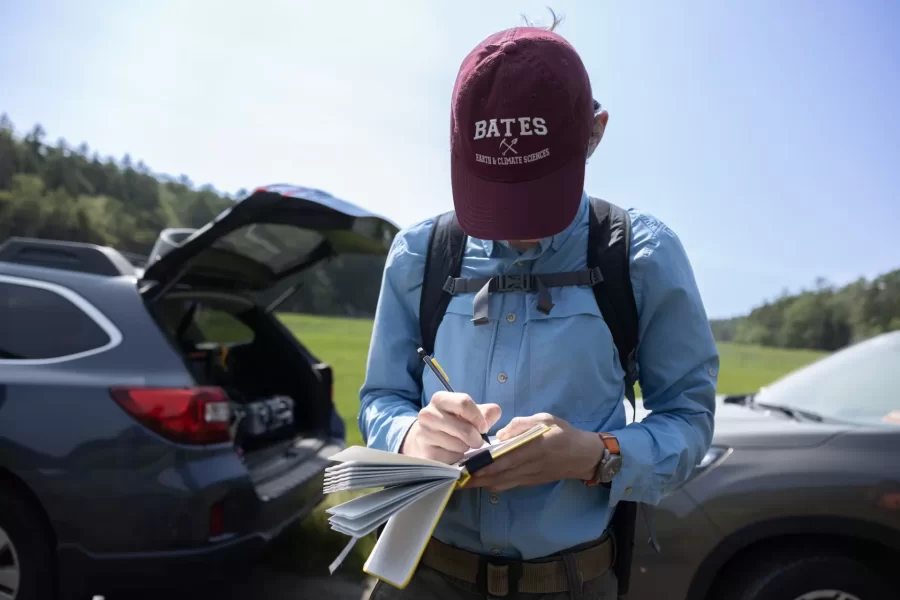
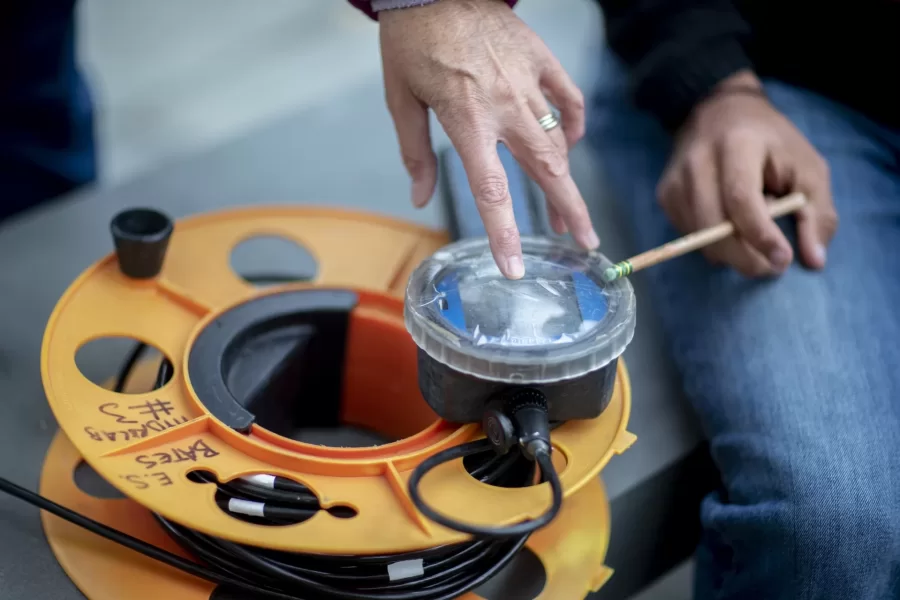
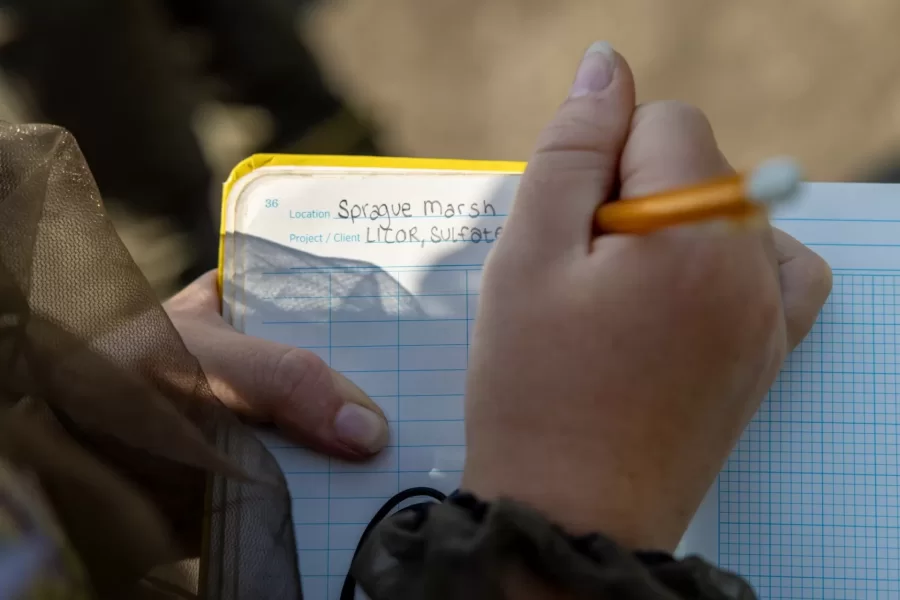
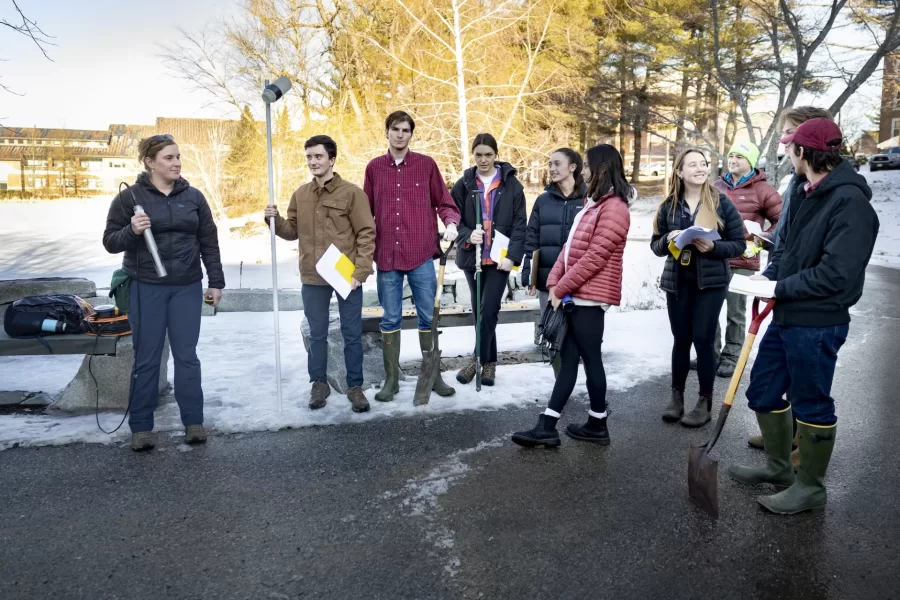
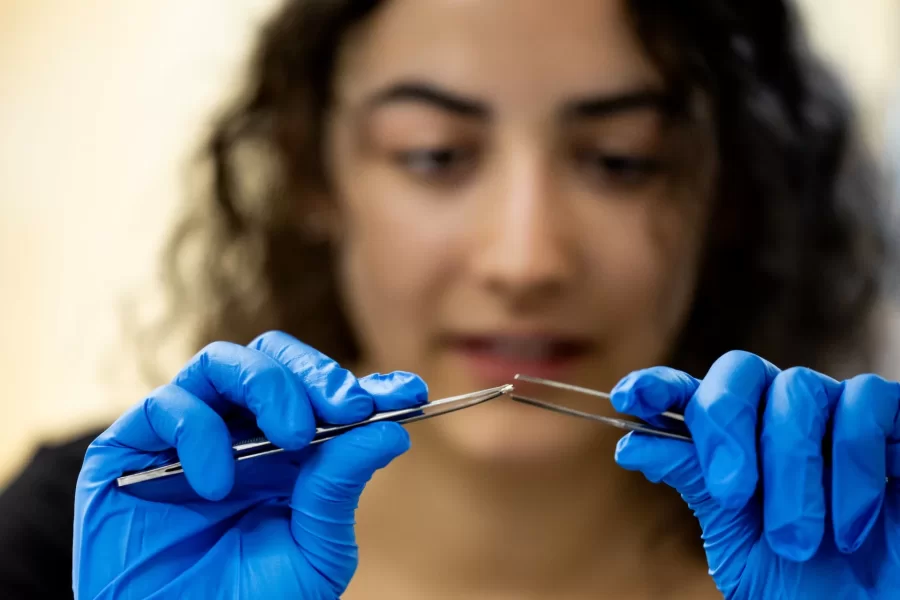
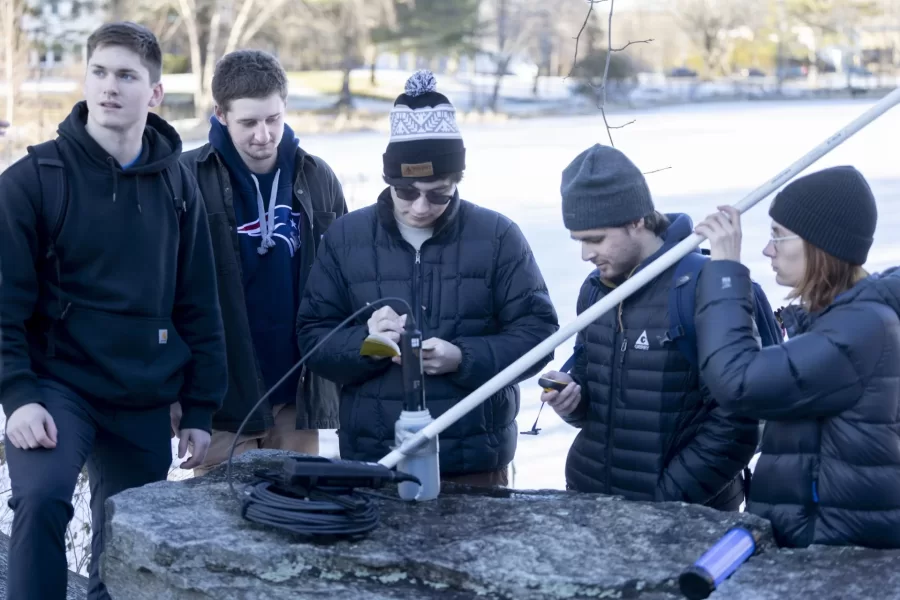
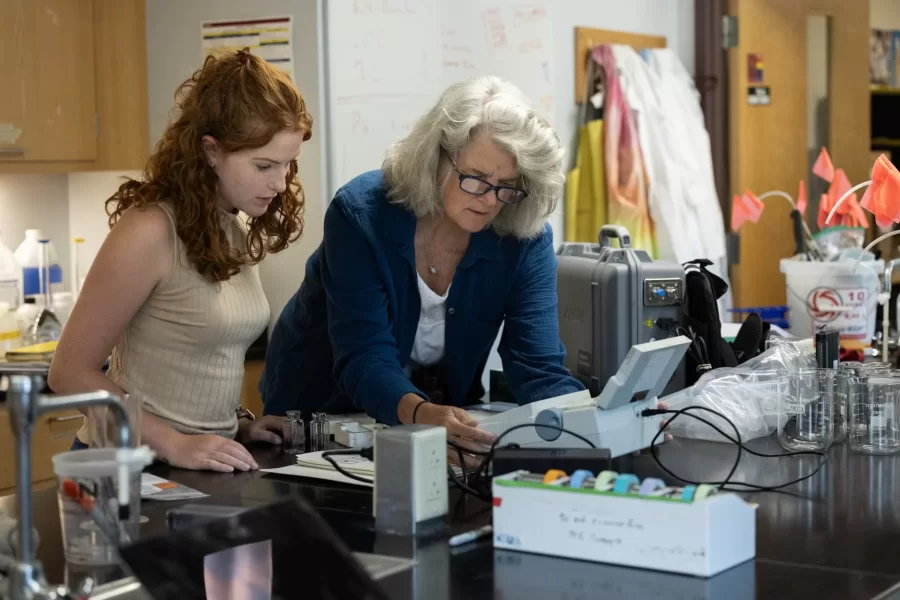
Studying EACS at Bates means choosing a program where you aren’t just a student — you’re a scientist from day one. You join a community that uses the dramatic landscape of Maine as a gateway to understanding global systems and planetary evolution. We offer the rare combination of high-tech field and laboratory access, an intimate faculty-to-student ratio, and the freedom to pursue research that ranges from local coastal resilience to the fundamental requirements for life on other worlds. From our 100-level courses to the senior thesis, we stress the importance of experiential learning and discovery, communication, and collaboration.