






Africana at Bates

The Program in Africana encompasses the study of world making in Africa and its global diaspora.

The study of Africana examines conceptualization of race and its use as a tool of critical analysis. We adopt a progressive approach to the understanding of people of African descent in the Atlantic world: Africa, the Americas — with special attention to the United States — and Europe, across multiple disciplines. Attention to the intersection of “race” with other social and political identities informs all aspects of the program.

Contact Us

Matt Von Vogt, Academic Administrative Assistant
4 Andrews RD
Pettengill Hall
Phone: 207-786-8296 mvonvogt@bates.edu

What You Will Learn

garnet iconography with books on a shelf, globe, and map marker
To understand the history and culture of African people and peoples of the African diaspora
garnet iconography with magnifying glass, open book, and people in front of concentric circles
The importance of “race” as a tool of critical analysis for a variety of topics
garnet iconography with academic building, crowd of people, and tri-fold map
To engage in meaningful work experience through internships and community engagement activities
garnet iconography with bar graph, brain, notes on paper, and a pen
How to build your analytical prowess by examining complex experiences
garnet iconography with speech bubbles, stack of paper, pencil, and lightbulb
To hone critical thinking and writing skills
garnet iconography with circuit pathways, globe, and people with speech bubble
How to foster engagement on matters of race within the larger community — local, national, and international

Life After Bates

After graduation, our students have gone on to successful careers in a variety of fields, including research and teaching, policy, advocacy, and community work; law; cultural organization and curating; and digitization and management.

90%

of 2020-2024 humanities graduates are employed and/or attending graduate school

  • American University
  • Carnegie Mellon University
  • Columbia University
  • Georgetown University
  • University of California, Berkeley
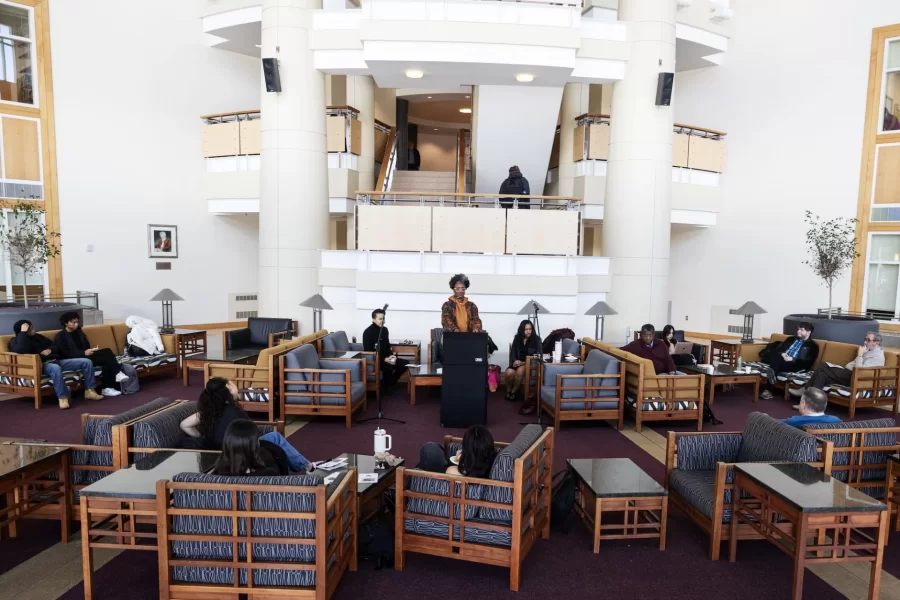
Moments from the event, "Who is Trayvon Martin? Celebrating Black Life & Legacy in Perry Atrium on March 26, 2025. Sponsored by the Program in Africana as part of our Black Life & Legacy Series. Marcelle Medford,  associate professor of sociology, Frances Bell, visiting assistant professor of history, Catherine Saunders, visiting assistant professor of africana, Ian Khara Ellasante, assistant professor of gender and sexuality studies and Charles Nero, Benjamin E. Mays '20 Distinguished Prof of Rhetoric, Film, and Screen Studies.

 (Theophil Syslo | Bates College)

Moments from the event, “Who is Trayvon Martin? Celebrating Black Life & Legacy in Perry Atrium on March 26, 2025. Sponsored by the Program in Africana as part of our Black Life & Legacy Series. Marcelle Medford, associate professor of sociology, Frances Bell, visiting assistant professor of history, Catherine Saunders, visiting assistant professor of africana, Ian Khara Ellasante, assistant professor of gender and sexuality studies and Charles Nero, Benjamin E. Mays ’20 Distinguished Prof of Rhetoric, Film, and Screen Studies. (Theophil Syslo | Bates College)

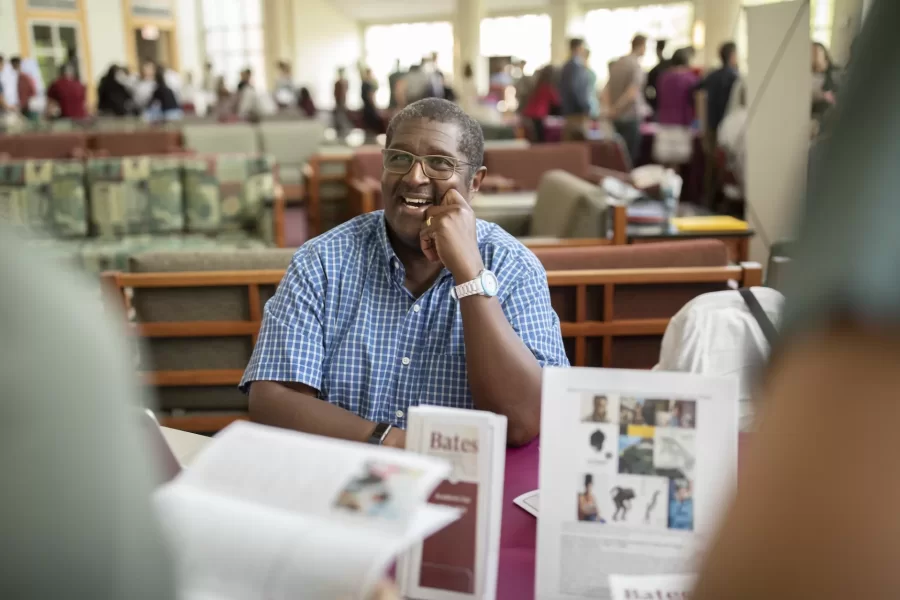
Academic Fair in Pettengill Hall's Perry Atrium. For three hours this morning, faculty spoke with members of the Class of 2023 about their departments' offerings.

Charles Nero, rhetoric

Academic Fair in Pettengill Hall’s Perry Atrium. For three hours this morning, faculty spoke with members of the Class of 2023 about their departments’ offerings. Charles Nero, rhetoric

Day in the Life of Ladd Library on March 12, 2025. (Phyllis Graber Jensen/Bates College)

Day in the Life of Ladd Library on March 12, 2025. (Phyllis Graber Jensen/Bates College)

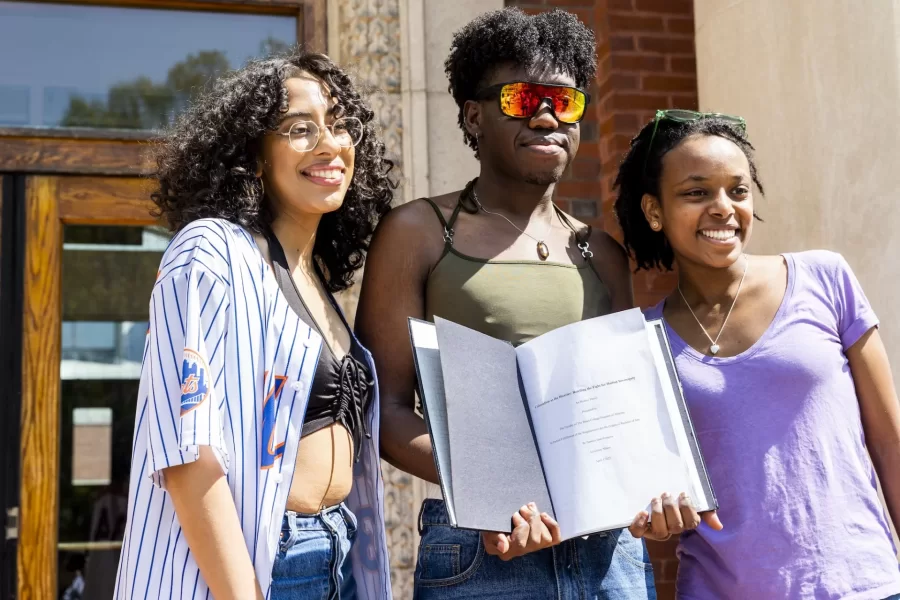
Two close friends who met on their first day at Bates chose to bind their senior theses together on the steps of Hathorn Hall on April 17, 2024.

In the company of friends, staff, and faculty, Aaliyah Moore ’24 and Prinnes Wilson’24 paid tribute to each other, to those gathered, and to family members who have supported them along the way.

Wilson, a psychology major from Las Vegas, wrote a thesis titled “The Relationship Between Aging and Proximity to Clothing,” under the supervision of Visiting Assistant Professor of Psychology Katherine Mathis. After the binding, Wilson expressed pride in his thesis. “It’s a good representation of me,” he said.

Moore, a double major in Africana and politics from Phoenix, Ariz., bound two theses. Her honors thesis in Africana, written under the supervision of Professor of English Therí Pickens, is titled: “Alice Walker’s ‘The Color Purple’: An Authentic Depiction of Confinement in Historical Fiction.” Moore called Pickens her “spiritual guide” whose “unwavering support, grace, and kindness know no bounds.”

Moore’s politics thesis, written under the supervision of Professor of Politics Stephen Engel, is titled “Rethinking the Supreme Court’s Approach to Discrimination Cases: Adopting a Comprehensive Framework.”

Two close friends who met on their first day at Bates chose to bind their senior theses together on the steps of Hathorn Hall on April 17, 2024. In the company of friends, staff, and faculty, Aaliyah Moore ’24 and Prinnes Wilson’24 paid tribute to each other, to those gathered, and to family members who have supported them along the way. Wilson, a psychology major from Las Vegas, wrote a thesis titled “The Relationship Between Aging and Proximity to Clothing,” under the supervision of Visiting Assistant Professor of Psychology Katherine Mathis. After the binding, Wilson expressed pride in his thesis. “It’s a good representation of me,” he said. Moore, a double major in Africana and politics from Phoenix, Ariz., bound two theses. Her honors thesis in Africana, written under the supervision of Professor of English Therí Pickens, is titled: “Alice Walker’s ‘The Color Purple’: An Authentic Depiction of Confinement in Historical Fiction.” Moore called Pickens her “spiritual guide” whose “unwavering support, grace, and kindness know no bounds.” Moore’s politics thesis, written under the supervision of Professor of Politics Stephen Engel, is titled “Rethinking the Supreme Court’s Approach to Discrimination Cases: Adopting a Comprehensive Framework.”

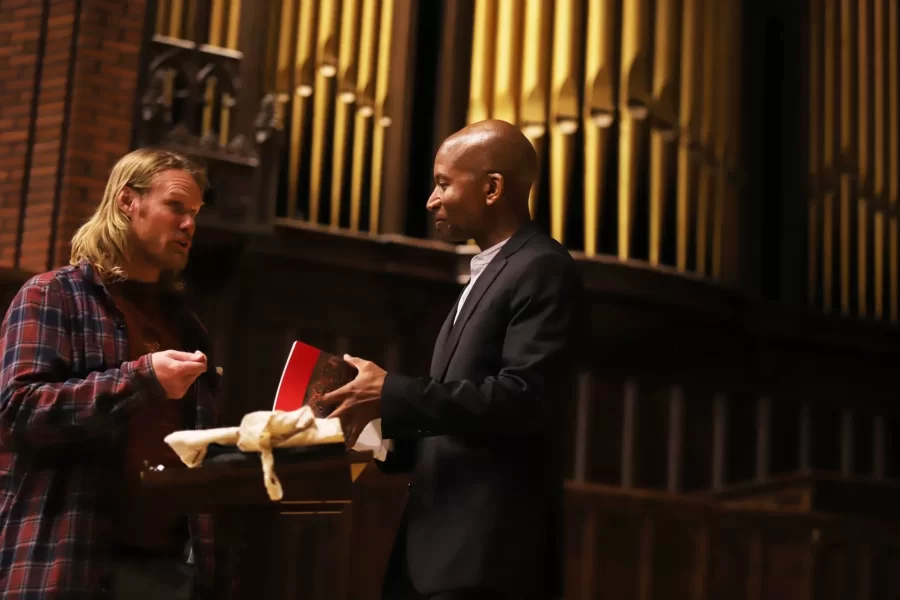
Bates English professor Myronn Hardy spoke about his new book, "Aurora Americana," and read poems from it in Gomes Chapel on Oct. 11. Myronn Hardy's Poetry Book Launch and Reading
October 11, 2023
Peter J. Gomes Chapel
7:00 - 8:30 PM


Myronn Hardy, Assistant Professor of English, will read from his newly published book of poems, Aurora Americana (Princeton University Press, 2023).

His other books of poems include: Approaching the Center, The Headless Saints, Catastrophic Bliss, Kingdom, and Radioactive Starlings.  

He has received several awards and fellowships.

Bates English professor Myronn Hardy spoke about his new book, “Aurora Americana,” and read poems from it in Gomes Chapel on Oct. 11. Myronn Hardy’s Poetry Book Launch and Reading October 11, 2023 Peter J. Gomes Chapel 7:00 – 8:30 PM Myronn Hardy, Assistant Professor of English, will read from his newly published book of poems, Aurora Americana (Princeton University Press, 2023). His other books of poems include: Approaching the Center, The Headless Saints, Catastrophic Bliss, Kingdom, and Radioactive Starlings. He has received several awards and fellowships.

The Bates College Philip J. Otis Committee invites you to attend The 25th Annual Otis Lecture, made possible by the Philip J. Otis ’95 Endowment

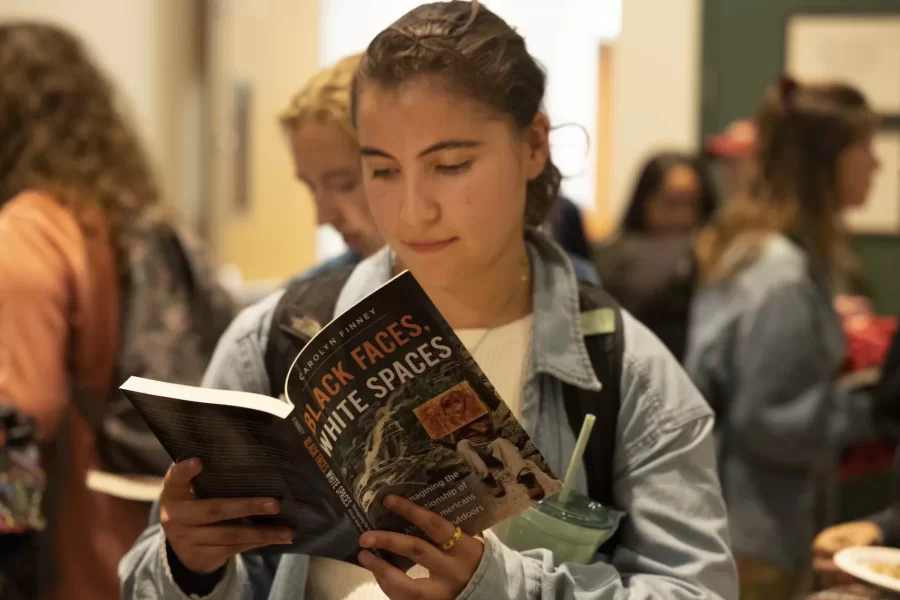
Carolyn Finney, author of Black Faces, White Spaces: Reimagining the Relationship of African Americans to the Great Outdoors will deliver a talk entitled “Reparative Gestures: On Race, Redemption and (Re)making a Green World.” A book signing will follow the lecture.

Wednesday, October 12, 2022
7:30 p.m.
Olin Arts Center Concert Hall
Bates College

The Bates College Philip J. Otis Committee invites you to attend The 25th Annual Otis Lecture, made possible by the Philip J. Otis ’95 Endowment Carolyn Finney, author of Black Faces, White Spaces: Reimagining the Relationship of African Americans to the Great Outdoors will deliver a talk entitled “Reparative Gestures: On Race, Redemption and (Re)making a Green World.” A book signing will follow the lecture. Wednesday, October 12, 2022 7:30 p.m. Olin Arts Center Concert Hall Bates College

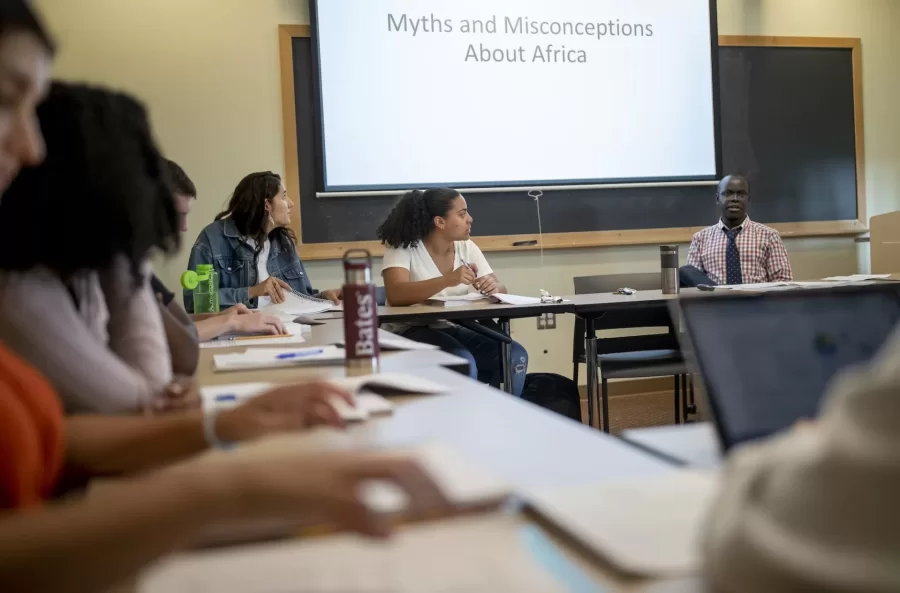
First day of classes in First-Year Seminar with Assistant Professor of History Patrick Otim.

FYS 468 - Beyond Nelson Mandela: Themes and Personalities in South African History
Nelson Mandela became South Africa's first black president in 1994 after more than three centuries of white dominance. Today, he is considered the greatest African leader of the twentieth century. This popular perception, born of Mandela's charisma after walking out of jail and becoming president, cut out many actors and events in the history of South Africa. This course introduces students to these obscured actors and events. It begins by exploring the encounter between Europeans and Africans, then examines the institutionalization of the apartheid state, and concludes by studying the reactions to, and defeat of, the apartheid state.

First day of classes in First-Year Seminar with Assistant Professor of History Patrick Otim. FYS 468 – Beyond Nelson Mandela: Themes and Personalities in South African History Nelson Mandela became South Africa’s first black president in 1994 after more than three centuries of white dominance. Today, he is considered the greatest African leader of the twentieth century. This popular perception, born of Mandela’s charisma after walking out of jail and becoming president, cut out many actors and events in the history of South Africa. This course introduces students to these obscured actors and events. It begins by exploring the encounter between Europeans and Africans, then examines the institutionalization of the apartheid state, and concludes by studying the reactions to, and defeat of, the apartheid state.

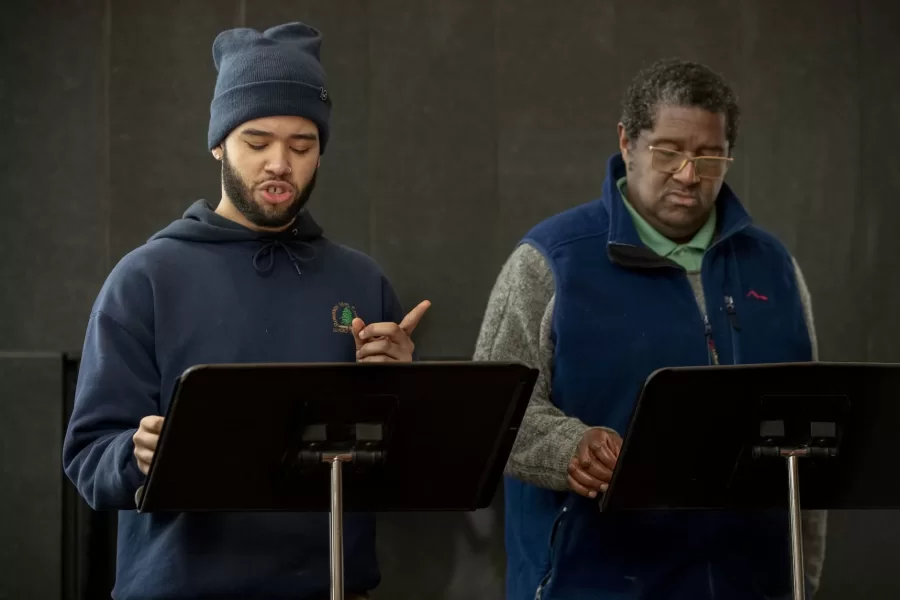
"According to Mark: Part I: Blood in the Revolution." Commencing a series of plays marking Black History Month at Bates, this 10-minute reading is one of four looking at the 18th-century experiences of black New Englanders and written by Lecturer in Theater Clifford Odle. Sponsored by the Africana program. 
Commons, Fireplace Lounge

The title character in According to Mark “was a slave who could read and was looking for a way to free himself from an oppressive master. And he felt the Bible provided a path to murdering him as long as he didn’t spill blood.”

The play is set during the planning of the murder, which also involved two other slaves, Mark’s sister Phyllis and a woman called Phoebe. In the actual event, Mark was hanged for the murder and Phyllis was burned at the stake — a punishment that in Colonial America was reserved for female slaves who kill their masters, Odle says.

Cast: 
Charles Nero as Mark
Perla Figuereo as Phyllis
Sam Alexander as Phoebe
Dawrin Silfa as Quaco

“According to Mark: Part I: Blood in the Revolution.” Commencing a series of plays marking Black History Month at Bates, this 10-minute reading is one of four looking at the 18th-century experiences of black New Englanders and written by Lecturer in Theater Clifford Odle. Sponsored by the Africana program. Commons, Fireplace Lounge The title character in According to Mark “was a slave who could read and was looking for a way to free himself from an oppressive master. And he felt the Bible provided a path to murdering him as long as he didn’t spill blood.” The play is set during the planning of the murder, which also involved two other slaves, Mark’s sister Phyllis and a woman called Phoebe. In the actual event, Mark was hanged for the murder and Phyllis was burned at the stake — a punishment that in Colonial America was reserved for female slaves who kill their masters, Odle says. Cast: Charles Nero as Mark Perla Figuereo as Phyllis Sam Alexander as Phoebe Dawrin Silfa as Quaco

“In many ways, my honors thesis has been a source of love, for which I will forever be grateful.”

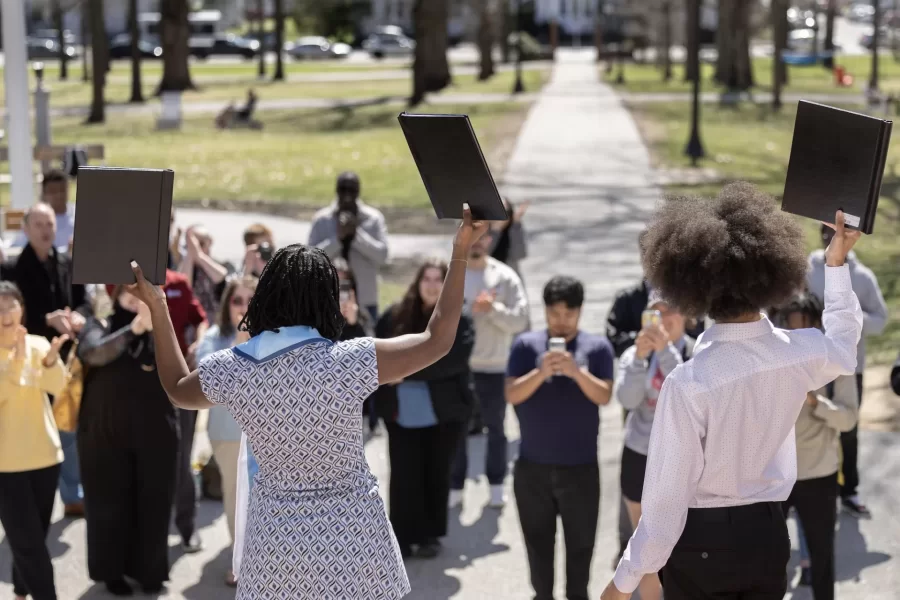
A crowd of about 50 students, faculty, and staff gathered on the front steps of Coram Library to celebrate Sam Jean-Francois ’23 of Medford, Mass., and bind Jean-Francois’ honors thesis in Africana, titled “Colonialism as the Disaster: Retelling the Fight for Haitian Sovereignty,” with Associate Professor and Co-Chair of Africana Sue Houchins serving as Jean-Francois’ “proud adviser.”

The thesis “has been a heuristic exercise centered in my journey to uncover more about my history, my family’s history, and Haiti’s history as the world’s first free Black republic,” said Jean-Francois.

“Through this thesis I’ve had the opportunity to engage with the works of Haitian scholars such as Myriam Chancy, and reconnect with my mother tongue, Kreyol.”

Laughing at calls to read the whole thesis aloud (all 126 pages of it,) Jean-Francois read the acknowledgments page aloud, and then bound the thesis, with the help of Verina Chatata ’26 of Lilongwe, Malawi, followed by a joyous shake-and-pop with a bottle of champagne, adorned with a Haitian flag.

“In many ways, my honors thesis has been a source of love, for which I will forever be grateful.” A crowd of about 50 students, faculty, and staff gathered on the front steps of Coram Library to celebrate Sam Jean-Francois ’23 of Medford, Mass., and bind Jean-Francois’ honors thesis in Africana, titled “Colonialism as the Disaster: Retelling the Fight for Haitian Sovereignty,” with Associate Professor and Co-Chair of Africana Sue Houchins serving as Jean-Francois’ “proud adviser.” The thesis “has been a heuristic exercise centered in my journey to uncover more about my history, my family’s history, and Haiti’s history as the world’s first free Black republic,” said Jean-Francois. “Through this thesis I’ve had the opportunity to engage with the works of Haitian scholars such as Myriam Chancy, and reconnect with my mother tongue, Kreyol.” Laughing at calls to read the whole thesis aloud (all 126 pages of it,) Jean-Francois read the acknowledgments page aloud, and then bound the thesis, with the help of Verina Chatata ’26 of Lilongwe, Malawi, followed by a joyous shake-and-pop with a bottle of champagne, adorned with a Haitian flag.

Welcome back!

The winter semester at Bates began today, Wednesday, Jan. 10, 2024. After consecutive snow and rain storms — one of each — the warmth of the sun reappeared midday, along with the pleasure of reconnection.

Swipe left for photographs of folks who were willing to be described as “happy to see one another after winter break.”

Their smiles tell the story.

Tim Ruppert ’27 (in black jacket and tan pants) of Edina, Minn., stops for a chat on Alumni Walk with Jack McAvoy ’24, a politics and philosophy major from Scarsdale, N.Y., and as they return to campus after winter break. 

McAvoy was Ruppert’s AESOP Habitat for Humanity II trip leader in Rockland, Maine. They teamed up with other students to build a cul de sac. 

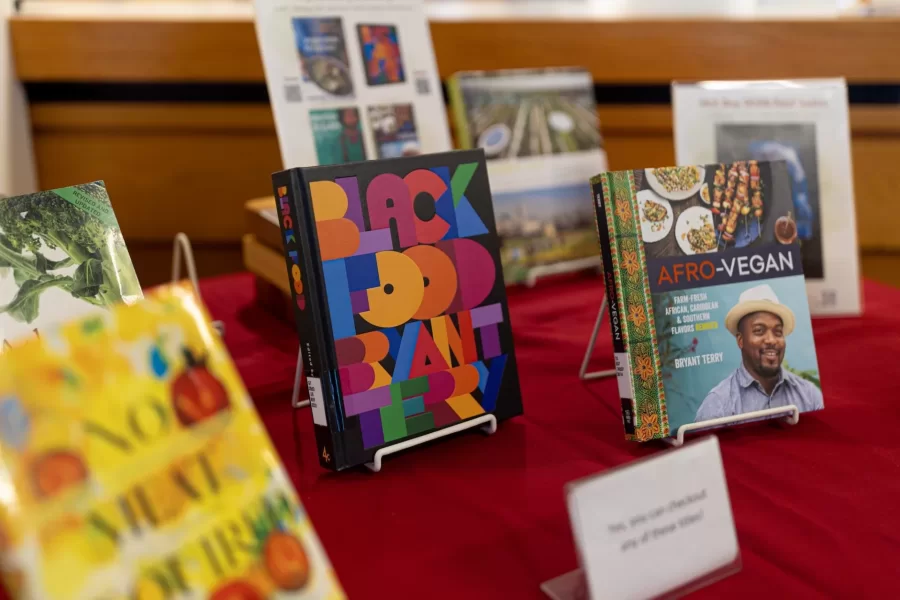
Books on display for MLK Day 2024, featuring cookbooks by keynote speaker Bryant Terry.

Welcome back! The winter semester at Bates began today, Wednesday, Jan. 10, 2024. After consecutive snow and rain storms — one of each — the warmth of the sun reappeared midday, along with the pleasure of reconnection. Swipe left for photographs of folks who were willing to be described as “happy to see one another after winter break.” Their smiles tell the story. Tim Ruppert ’27 (in black jacket and tan pants) of Edina, Minn., stops for a chat on Alumni Walk with Jack McAvoy ’24, a politics and philosophy major from Scarsdale, N.Y., and as they return to campus after winter break. McAvoy was Ruppert’s AESOP Habitat for Humanity II trip leader in Rockland, Maine. They teamed up with other students to build a cul de sac. Books on display for MLK Day 2024, featuring cookbooks by keynote speaker Bryant Terry.

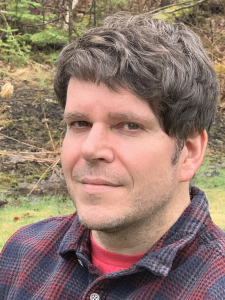
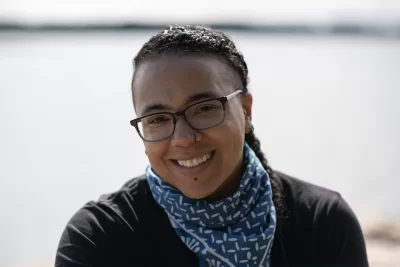
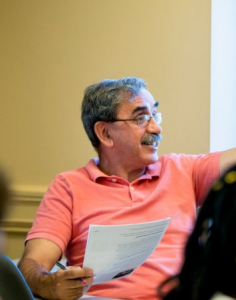
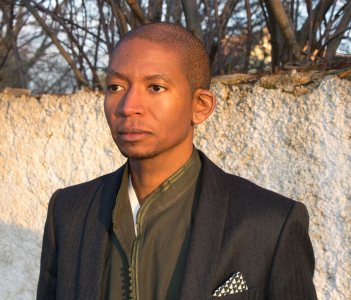
The Africana program at Bates introduces students to the lived experiences of African people and people of African descent in different parts of the globe. This takes place across multiple subject areas, including history, literature, religion, politics, journalism, psychology, and sociology. All majors write a thesis on a topic of their choice, with personalized guidance and hands-on support from faculty.

Featured Courses

Photo of Frances R. Bell

Frances R. Bell

Visiting Assistant Professor of History

Photo of Dale E. Chapman

Dale E. Chapman

Professor of Music

Photo of Ian Khara Ellasante

Ian Khara Ellasante

Associate Professor of Gender and Sexuality Studies

Photo of Baltasar Fra-Molinero

Baltasar Fra-Molinero

Professor of Hispanic Studies

Photo of Myronn E. Hardy

Myronn E. Hardy

Associate Professor of English

Photo of Eric G. LeFlore

Eric G. LeFlore

Assistant Professor of Biology

Photo of Marcelle M. Medford

Marcelle M. Medford

Associate Professor of Sociology

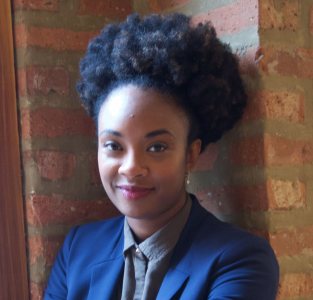
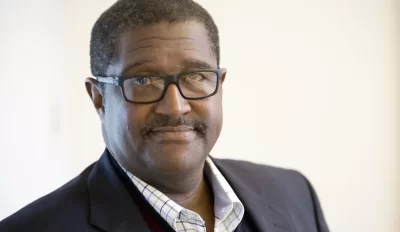
Photo of Charles I. Nero

Charles I. Nero

Benjamin E. Mays ’20 Distinguished Prof of Rhetoric, Film, and Screen Studies

Photo of Temitope A. Noah

Temitope A. Noah

Visiting Assistant Professor of Africana

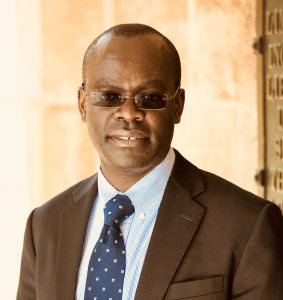
Photo of Patrick W. Otim

Patrick W. Otim

Associate Professor of History

Photo of Kayla K. Thomas

Kayla K. Thomas

Visiting Instructor in Sociology

News & Events

Bates announces Stoddard Fitness and Well-Being Center and athletics facilities upgrades
March 5, 2026

Bates announces Stoddard Fitness and Well-Being Center and at…

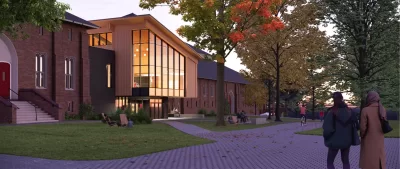
Bates is embarking on a $45 million project to update two key athletic facilities and construct a new fitness and well-being center. A gift of $10 million from Jon W. Brayshaw ’90, P’25 and Jocelyn Stoddard Brayshaw ’88, P’25 has brought the college a vital step closer to construction. The new facility will be named the Stoddard Fitness and Well-Being Center. 

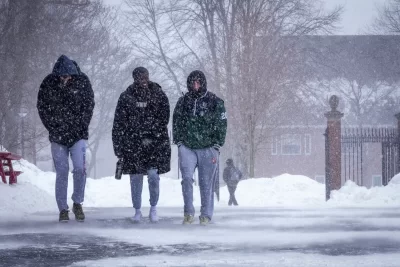
Over the woodlands brown and bare, over the harvest-fields forsaken, silent, and soft, and slow descends the snow. — Longfellow Back on campus after the February freak storm, Bates feels suspended between motion and stillness; cars crunch in half-melted tracks, boots drip by radiators, flights and plans still catching up somewhere in the clouds. Some of us are here, some are delayed, and the quiet holds space for both. It’s a strange return; rushed arrivals, late-night drives, weather maps open on our phones, yet the air itself feels calm, like the world pressed pause just long enough for us to notice it. The paradox is real; chaos in the forecast, steadiness on the quad. Snow does that. It softens edges, lowers voices, makes even a campus full of movement feel like it’s breathing slowly.
March 5, 2026

February at Bates

February on campus saw sports successes, several large snowfalls, and our annual Winter Carnival — a week of events celebrating the joys of the chilly season.