





German and Russian Studies at Bates

The Department of German and Russian Studies explores the interconnections between history, society, culture, and language within German- and Russian- speaking countries.

The department offers a German major, a German minor, and a Russian minor. In the German studies program, students will learn German and gain a full 360-degree view on German culture. In the Russian studies program, students will focus on the Russian language as well as gain insight into the region through a variety of cultural works, both in Russian and in translation.

Contact Us

Indya Childs, Academic Administrative Assistant
9 Andrews Road, Lewiston, ME 04240
Roger Williams
Phone: 1-207-786-8293 ichilds@bates.edu

What You Will Learn

garnet iconography with stack of papers, speech bubble, and books on a shelf
The German or Russian language through original materials, including literary texts, films, speeches, and interviews
garnet iconography with academic building, brain, and magnifying glass
How to think critically and make interdisciplinary connections
garnet iconography with open notebook, pen, and people with chat bubble
To practice the German or Russian language beyond the classroom by speaking with fellow students and faculty at regularly held conversational tables
garnet iconography with globe, presentation slide, and stack of papers with pencil
Analytical and public speaking skills through presentations at Bates and at regional and national conferences
garnet iconography with people, chat bubbles, and stack of books
An appreciation for the richness and diversity of the German and Russian-speaking worlds
garnet iconography with graduation cap, globe, and academic building
The skills and sensitivity needed to be a global citizen

Life After Bates

Students from the German and Russian studies department are regularly awarded Fulbright English Teaching Assistantships, prestigious national grants to live, work, and teach abroad for a year after graduation. Graduates go on to attend graduate school and embark on successful careers in a variety of fields, including international business and trade, government, law, and NGOs, as well as the arts, culture, and media.

92%

of 2020-2024 language graduates are employed and/or attending graduate school

  • Columbia University
  • Georgetown University
  • Harvard University
  • Boston College
  • Johns Hopkins University
  • Bentley University
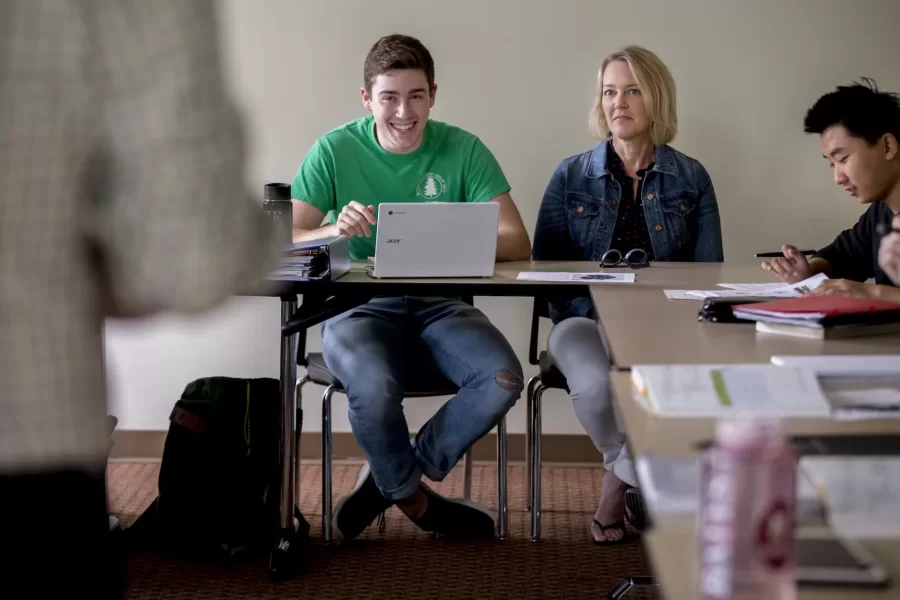
Back To Bates offers opportunities for visiting family members to attend classes on Friday afternoon.
GER 101 - Intro German Language & Culture I
This course, part of a yearlong sequence, introduces students to the German language and its cultural contexts. By emphasizing communicative skills, students learn to speak, build vocabulary, and develop their listening comprehension, reading, and writing skills. GER 101 is only offered in the fall semester. GER 101 is not open to students who have had two or more years of German in secondary school. 

Jakub Kazecki, Assistant Professor of German

June Donenfeld, mother of Kiyona Mizuno '18 of San Francisco (her daughter is not in the class)

Christine Master in jean jacket with son Alex '19 of Haddon Heights, N.J.

Laurie Edson with gray/black dress and scar with son Tim Edson '21  of Lexington, Mass.

Back To Bates offers opportunities for visiting family members to attend classes on Friday afternoon. GER 101 – Intro German Language & Culture I This course, part of a yearlong sequence, introduces students to the German language and its cultural contexts. By emphasizing communicative skills, students learn to speak, build vocabulary, and develop their listening comprehension, reading, and writing skills. GER 101 is only offered in the fall semester. GER 101 is not open to students who have had two or more years of German in secondary school. Jakub Kazecki, Assistant Professor of German June Donenfeld, mother of Kiyona Mizuno ’18 of San Francisco (her daughter is not in the class) Christine Master in jean jacket with son Alex ’19 of Haddon Heights, N.J. Laurie Edson with gray/black dress and scar with son Tim Edson ’21 of Lexington, Mass.

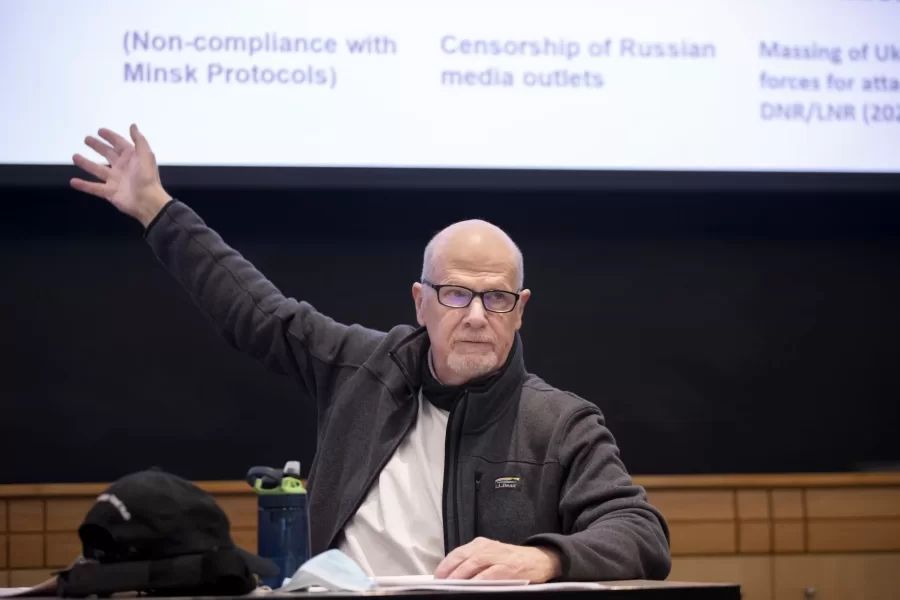
The Russian invasion of Ukraine on February 24 was an alarming turn after weeks of Russian military build-up along Ukraine’s borders and has been met with widespread condemnation. This crisis raises massive concerns for the safety and sovereignty of the people of Ukraine, but it also raises crucial questions about the relationship between the countries of the former Soviet Union and Europe and about the relationship between nationalism, national identity, and nations.

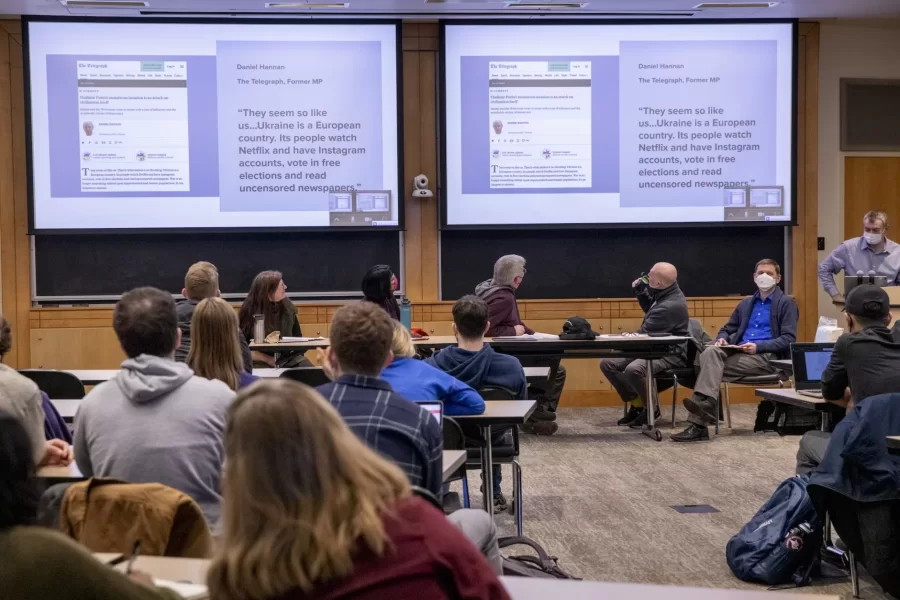
A multidisciplinary panel of Bates faculty on Wednesday, March 9 at 4:15 pm in Pettengill G52 or on Zoom for a discussion of the military, political, and humanitarian conflicts surrounding the ongoing Russian invasion of Ukraine. This panel brings together perspectives from across the humanities and social sciences as we explore what this conflict means for Ukraine, Europe, Russia, and the world.

Panelists: Seated from left: Lecturer in Russian Cheryl Stephenson (GRS/EUS), Lecturer in Russian Marina Filipovic (GRS/EUS), Professor of Politics Jim Richter (Politics/EUS), and Associate Professor of Russian Dennis Browne (GRS/EUS). Moderated by Visiting Assistant Professor of Sociology Benjamin Moodie (Sociology/EUS). Associate Professor of German Jakub Kazecki handled Zoom call and digital slides.

The Russian invasion of Ukraine on February 24 was an alarming turn after weeks of Russian military build-up along Ukraine’s borders and has been met with widespread condemnation. This crisis raises massive concerns for the safety and sovereignty of the people of Ukraine, but it also raises crucial questions about the relationship between the countries of the former Soviet Union and Europe and about the relationship between nationalism, national identity, and nations. A multidisciplinary panel of Bates faculty on Wednesday, March 9 at 4:15 pm in Pettengill G52 or on Zoom for a discussion of the military, political, and humanitarian conflicts surrounding the ongoing Russian invasion of Ukraine. This panel brings together perspectives from across the humanities and social sciences as we explore what this conflict means for Ukraine, Europe, Russia, and the world. Panelists: Seated from left: Lecturer in Russian Cheryl Stephenson (GRS/EUS), Lecturer in Russian Marina Filipovic (GRS/EUS), Professor of Politics Jim Richter (Politics/EUS), and Associate Professor of Russian Dennis Browne (GRS/EUS). Moderated by Visiting Assistant Professor of Sociology Benjamin Moodie (Sociology/EUS). Associate Professor of German Jakub Kazecki handled Zoom call and digital slides.

The Mount David Summit 2023 Panel: German Literature and Identity, 
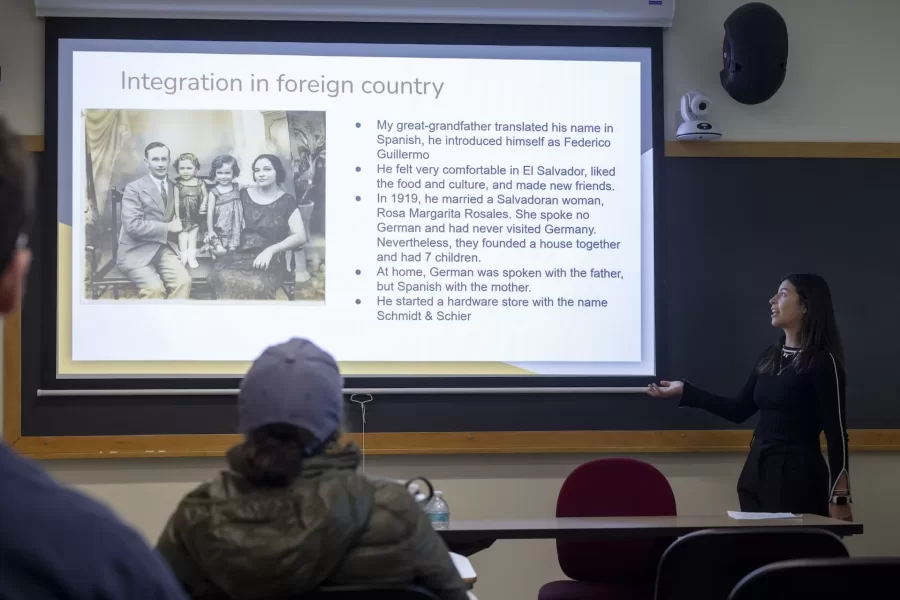
Clayton Spencer listens as Erica Parker '23 presents: "Feeling of BEing. Home" (Raluca Cernahoschi, German and Russian Studies)

The Mount David Summit 2023 Panel: German Literature and Identity, Clayton Spencer listens as Erica Parker ’23 presents: “Feeling of BEing. Home” (Raluca Cernahoschi, German and Russian Studies)

The Russian invasion of Ukraine on February 24 was an alarming turn after weeks of Russian military build-up along Ukraine’s borders and has been met with widespread condemnation. This crisis raises massive concerns for the safety and sovereignty of the people of Ukraine, but it also raises crucial questions about the relationship between the countries of the former Soviet Union and Europe and about the relationship between nationalism, national identity, and nations.

A multidisciplinary panel of Bates faculty on Wednesday, March 9 at 4:15 pm in Pettengill G52 or on Zoom for a discussion of the military, political, and humanitarian conflicts surrounding the ongoing Russian invasion of Ukraine. This panel brings together perspectives from across the humanities and social sciences as we explore what this conflict means for Ukraine, Europe, Russia, and the world.

Panelists: Seated from left: Lecturer in Russian Cheryl Stephenson (GRS/EUS), Lecturer in Russian Marina Filipovic (GRS/EUS), Professor of Politics Jim Richter (Politics/EUS), and Associate Professor of Russian Dennis Browne (GRS/EUS). Moderated by Visiting Assistant Professor of Sociology Benjamin Moodie (Sociology/EUS). Associate Professor of German Jakub Kazecki handled Zoom call and digital slides.

The Russian invasion of Ukraine on February 24 was an alarming turn after weeks of Russian military build-up along Ukraine’s borders and has been met with widespread condemnation. This crisis raises massive concerns for the safety and sovereignty of the people of Ukraine, but it also raises crucial questions about the relationship between the countries of the former Soviet Union and Europe and about the relationship between nationalism, national identity, and nations. A multidisciplinary panel of Bates faculty on Wednesday, March 9 at 4:15 pm in Pettengill G52 or on Zoom for a discussion of the military, political, and humanitarian conflicts surrounding the ongoing Russian invasion of Ukraine. This panel brings together perspectives from across the humanities and social sciences as we explore what this conflict means for Ukraine, Europe, Russia, and the world. Panelists: Seated from left: Lecturer in Russian Cheryl Stephenson (GRS/EUS), Lecturer in Russian Marina Filipovic (GRS/EUS), Professor of Politics Jim Richter (Politics/EUS), and Associate Professor of Russian Dennis Browne (GRS/EUS). Moderated by Visiting Assistant Professor of Sociology Benjamin Moodie (Sociology/EUS). Associate Professor of German Jakub Kazecki handled Zoom call and digital slides.

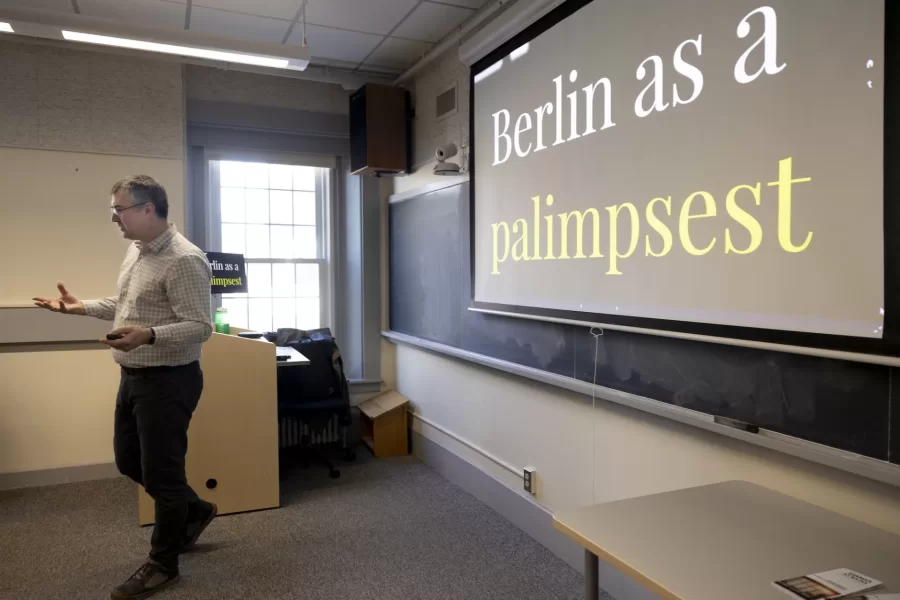
Admitted Students Reception on April 3, 2023, on Historic Quad, Alumni Walk, Gomes Chapel, and the Olin Arts Center, with Clayton Spence, Leigh Weisenburger, and JakubKazecki teaching a master class on Experience Berlin! Literature, Film, and Urban Landscape in Hathorn 100.

Admitted Students Reception on April 3, 2023, on Historic Quad, Alumni Walk, Gomes Chapel, and the Olin Arts Center, with Clayton Spence, Leigh Weisenburger, and JakubKazecki teaching a master class on Experience Berlin! Literature, Film, and Urban Landscape in Hathorn 100.

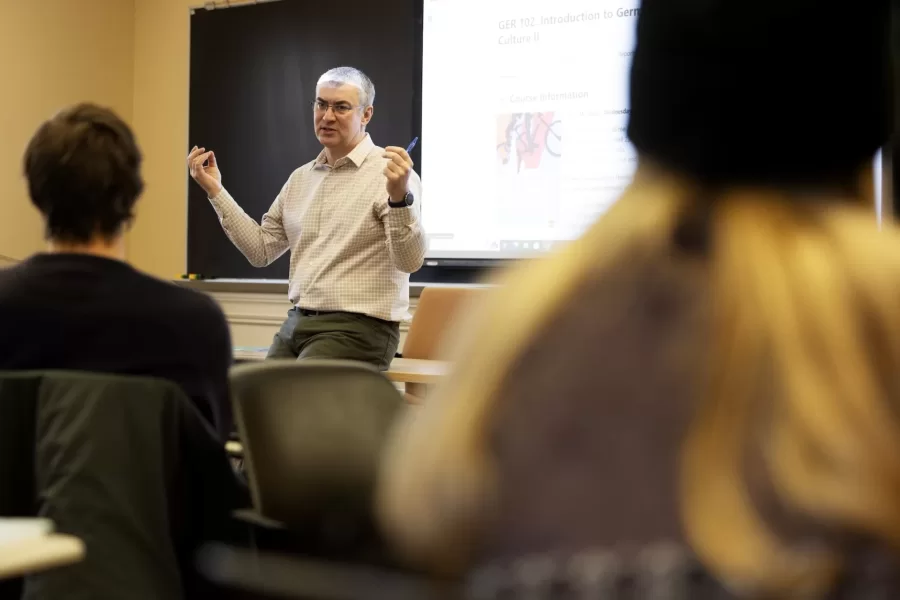
Jakub Kazecki, associate professor of German, teaches during his German Language and Culture course in Roger Hall on January 8, 2025. (Theophil Syslo | Bates College)

Jakub Kazecki, associate professor of German, teaches during his German Language and Culture course in Roger Hall on January 8, 2025. (Theophil Syslo | Bates College)

The German and Russian studies department offers a highly personalized academic approach, featuring small, engaging classes and one-on-one mentorship with faculty. The department is for everyone, regardless of prior language experience. Students new to these languages start in introductory courses, while those with previous knowledge will be placed at the appropriate level. In addition, students have the opportunity to study abroad and can apply for summer research assistantships, where they will work directly with faculty.

Featured Courses

Photo of Raluca Cernahoschi

Raluca Cernahoschi

Associate Professor of German

Photo of Jakub J. Kazecki

Jakub J. Kazecki

Associate Professor of German

Photo of Marina Filipovic

Marina Filipovic

Visiting Lecturer in Russian

Photo of Cheryl A. Stephenson

Cheryl A. Stephenson

Visiting Lecturer in Russian

News & Events

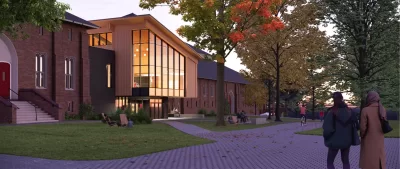
Bates announces Stoddard Fitness and Well-Being Center and athletics facilities upgrades
March 5, 2026

Bates announces Stoddard Fitness and Well-Being Center and at…

Bates is embarking on a $45 million project to update two key athletic facilities and construct a new fitness and well-being center. A gift of $10 million from Jon W. Brayshaw ’90, P’25 and Jocelyn Stoddard Brayshaw ’88, P’25 has brought the college a vital step closer to construction. The new facility will be named the Stoddard Fitness and Well-Being Center. 

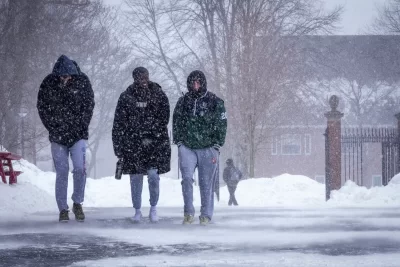
Over the woodlands brown and bare, over the harvest-fields forsaken, silent, and soft, and slow descends the snow. — Longfellow Back on campus after the February freak storm, Bates feels suspended between motion and stillness; cars crunch in half-melted tracks, boots drip by radiators, flights and plans still catching up somewhere in the clouds. Some of us are here, some are delayed, and the quiet holds space for both. It’s a strange return; rushed arrivals, late-night drives, weather maps open on our phones, yet the air itself feels calm, like the world pressed pause just long enough for us to notice it. The paradox is real; chaos in the forecast, steadiness on the quad. Snow does that. It softens edges, lowers voices, makes even a campus full of movement feel like it’s breathing slowly.
March 5, 2026

February at Bates

February on campus saw sports successes, several large snowfalls, and our annual Winter Carnival — a week of events celebrating the joys of the chilly season.