The Department of Psychology at Bates helps students understand people and prepares them to put that understanding into practice.
Beginning with foundational coursework, students build up to advanced work through hands-on training in statistics, research design, and data analysis. The major culminates in a senior thesis that strengthens preparation for graduate and Ph.D. programs in clinical, counseling, and school psychology; social work; and related applied fields. Bates psychology graduates are well prepared to contribute thoughtfully and effectively to their professions and to their communities.
Contact Us
Tobie Akerley Gordon
353 Pettengill Hall Phone: 207-786-8295
takerley@bates.edu
What You Will Learn
Insight into complex human behavior and how it can apply to your future career
Hands-on training in statistics, research design, and data analysis
Psychology’s connection to mental health, education, economics, law, politics, and social justice
To research, present, and defend, through an independent thesis experience in a lab or in a community setting
To collaborate with others through participation in faculty research and Bates-funded student research grants
Problem-solving and analytical skills that are easily transferable to the workplace and to life
Life After Bates
Our alumni have gone on to follow a wide range of paths, including careers in mental health, public policy, research, and industry, and pursuing graduate and Ph.D. programs in related applied clinical and research fields. Their work has earned them awards that have included fellowships with The Innocence Project at the University of Virginia School of Law and Fulbright fellowships.
94%
of 2020-2024 social science graduates are employed and/or attending graduate school
“Studying psychology at Bates College gave me more than a foundation in human behavior — it gave me a lens I’ve never stopped looking through. From my very first courses, I was drawn to understanding what drives people: how they think, how they heal, and how they connect. My course in abnormal psychology with Professor Kelsey cemented my interest in mental health. That curiosity led me naturally to pursue an MSW, where I could translate that understanding into real support for individuals and communities navigating some of life’s hardest moments.”
— Leah Ciappenelli ’91
Selected Places of Employment/Service
Massachusetts General Hospital
McLean Hospital
Boston Children’s Hospital
Brigham and Women’s Hospital
National Institutes of Health
Dana-Farber Cancer Institute
Beth Israel Deaconess Medical Center
Analysis Group
Workday
Teach For America
Selected Graduate Schools
University of Oxford
University of Pennsylvania
Columbia University
Johns Hopkins University
Harvard University
Northwestern University
New York University
King’s College London
Tufts University
University of Chicago
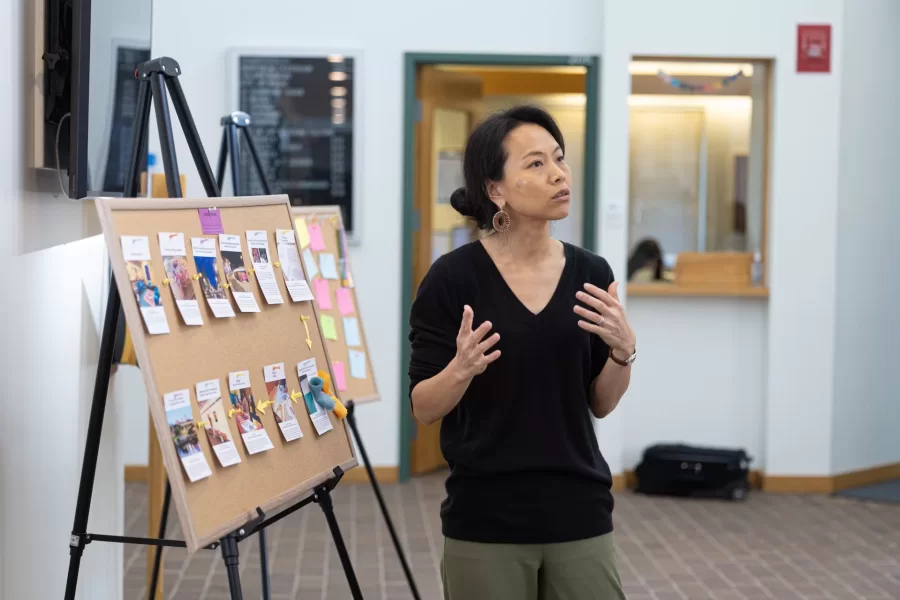
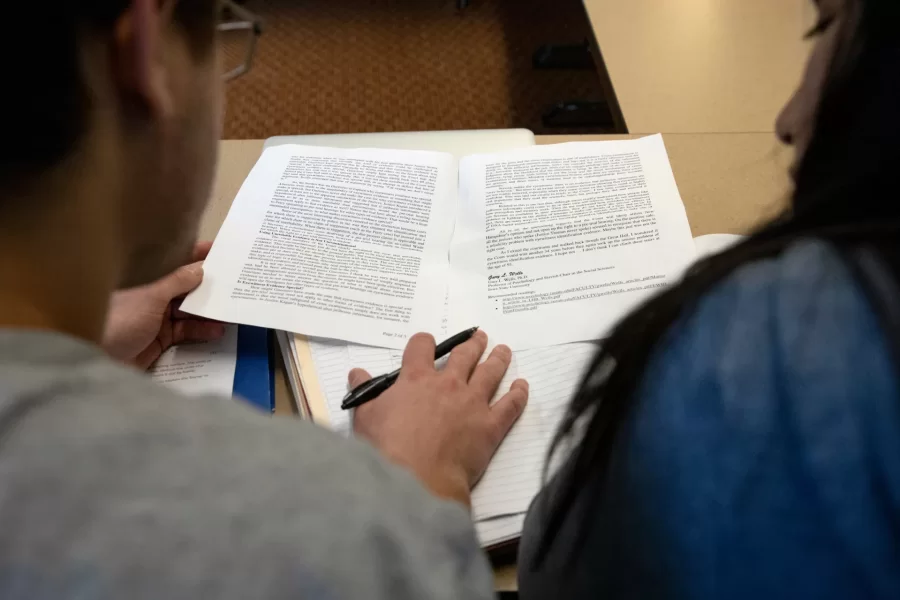
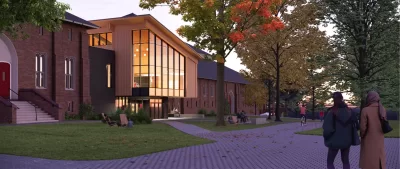
A day in the life of Pettengill Hall, featuring staff, faculty and students engaged in learning, studying, and working, with both internal and external images.
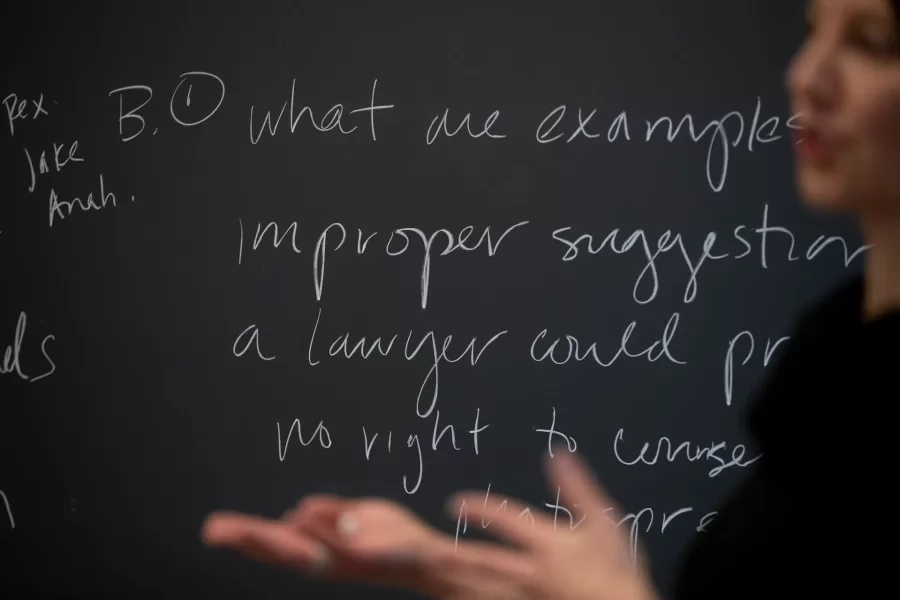
Amy Douglass teaches “Psychology and Law,” G12
A day in the life of Pettengill Hall, featuring staff, faculty and students engaged in learning, studying, and working, with both internal and external images.
Amy Douglass teaches “Psychology and Law,” G12
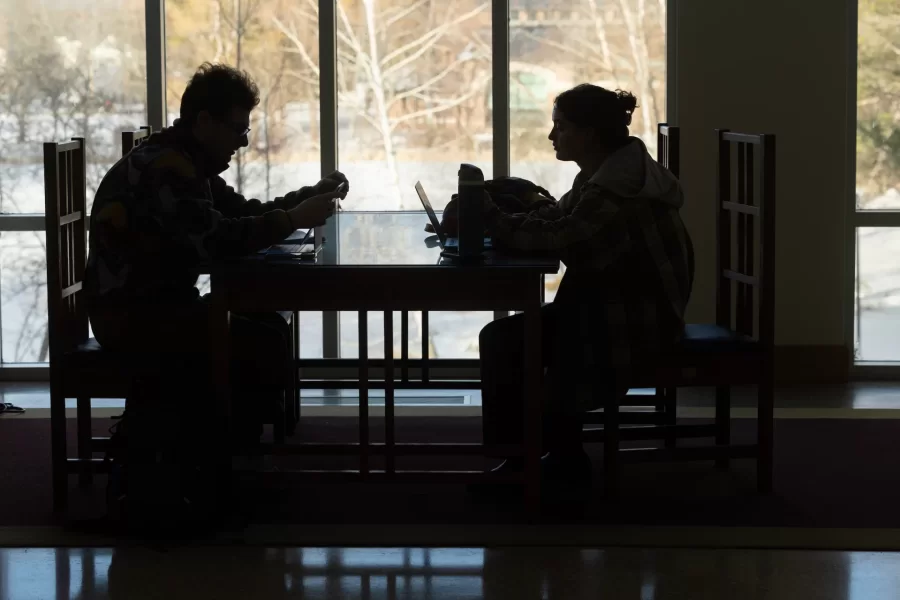
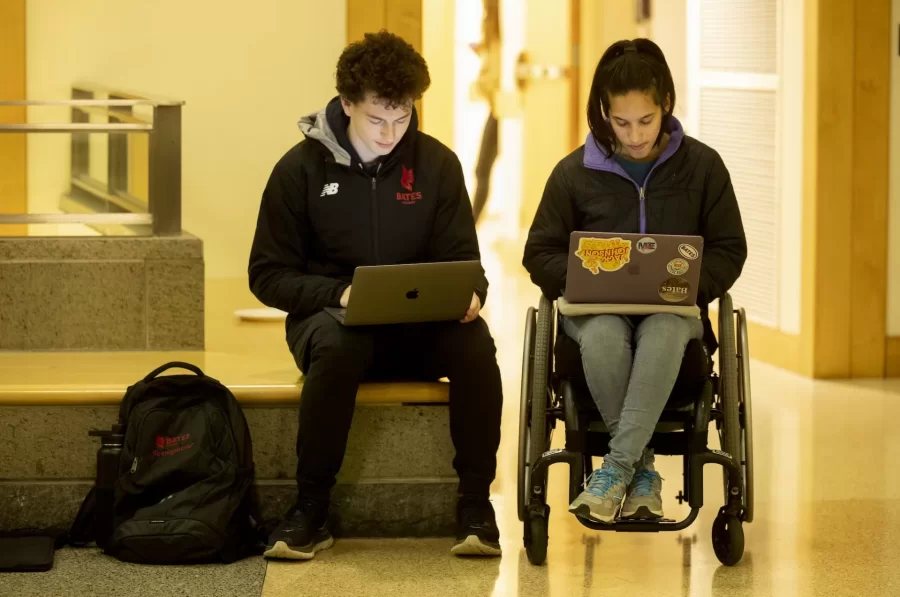
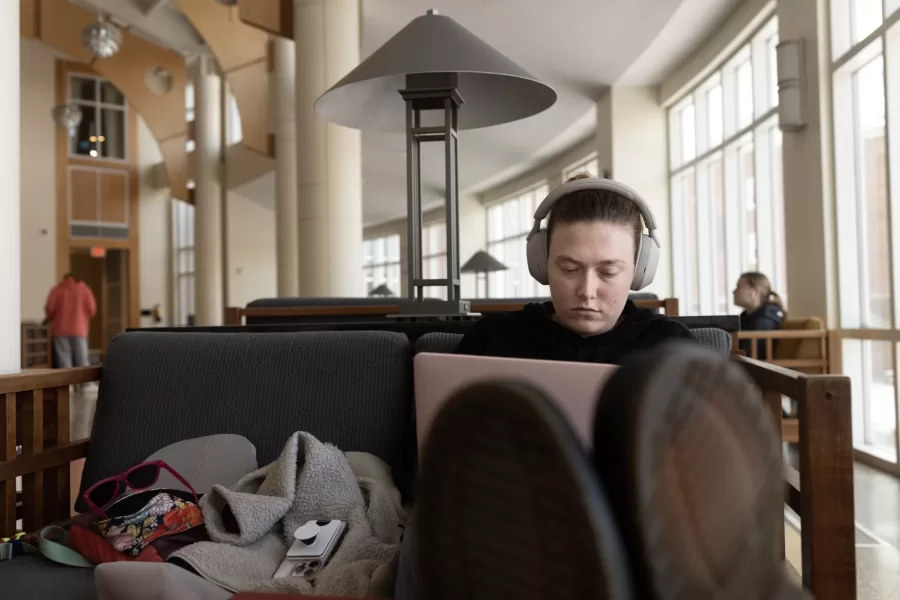
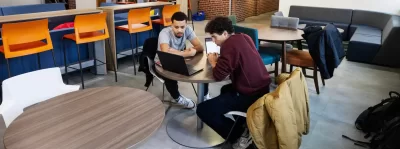
What better place to settle down for a mid-afternoon study session?
Pettengill Hall’s Perry Atrium provides a campus crossroads that’s filled with light and warmth, where students can collaborate, converse, or tackle their projects solo.
Whether it’s a psychology assignment, an anthropology abstract, a tasty snack, or a quiet catchup with a friend, there’s something for everyone here.
Sheridan Frank ‘20 of Round Lake Beach, Ill., and Mitchell Willsey ‘20 of Glastonbury, Conn., discuss programs with graduate school admission reps today in the Clifton Daggett Gray Athletic Building.
.
Frank is interested in doctoral programs in clinical psychology, Willsey in Ph.D. programs in chemistry.
.
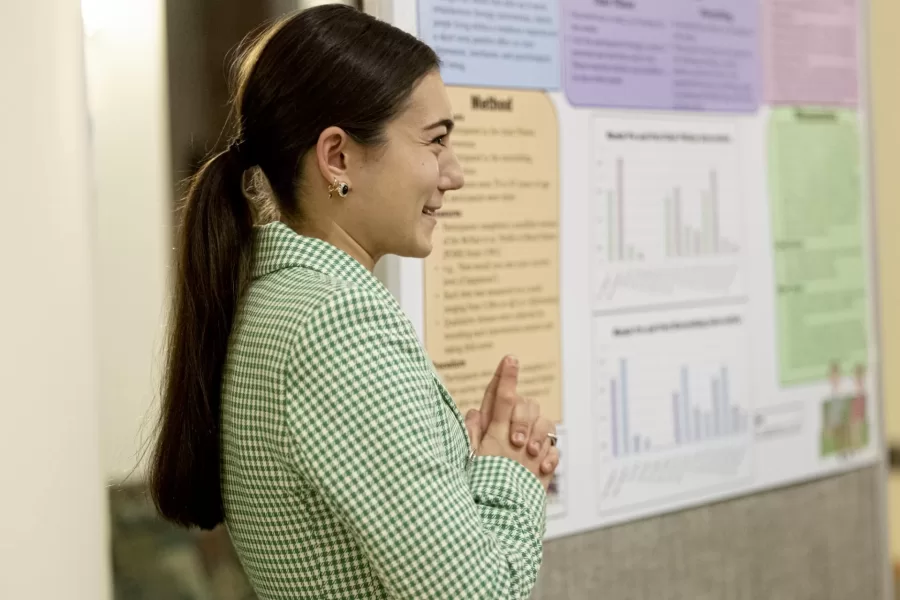
Each fall, more than 80 graduate and professional schools come to Bates, where students, faculty, staff and the public are invited to meet with admissions representatives to learn about the variety of programs offered, individual program admissions requirements, and what distinguishes one program from another.
“I feel the history.”
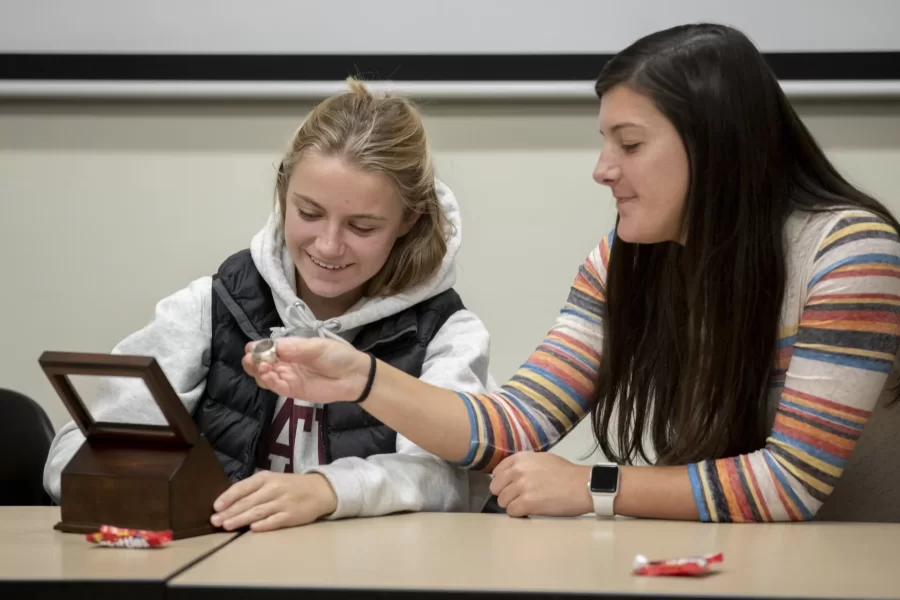
— Justin Phillips ’23 of Old Saybrook, Conn., and Max McKersie ’23 of Arlington, Mass., tried on not one, but four, Major League Baseball World Series rings that belong to New York Yankees minor league hitting coach Ken Joyce. Joyce appeared on an end-of-semester panel in psychology professor Sun Langdon’s first-year seminar, “The Sporting Life.”
Joyce passed the rings around the Pettengill seminar table after he and five other guests spoke about the trajectory of their careers and the events that inspired them. Panelists included: Joyce; Joan Benoit Samuelson, world-record and Olympic gold medalist marathoner; Pat Gallant-Charette, world-record-setting marathon swimmer; Glenn Jordan, sports writer for the Portland Press Herald and Maine Sunday Telegram; Andy Shepard, founder and former CEO of Outdoor Sports Initiative, and Jason Fein, Bates College director of athletics.
This purposeful work-infused course explores the major importance of sports in many people’s lives, as participants and spectators. Students consider sports from myriad perspectives, from the social and natural sciences to the humanities. The interdisciplinary first-year-seminar uses a variety of sources including academic articles, personal memoir, fiction, film, and observation.
After class, Phillips and McKersie, varsity men’s soccer teammates, spoke with Coach Joyce about careers in sports management, before joining the panelists and students for lunch at Commons. Swipe left to see a few more scenes from class.
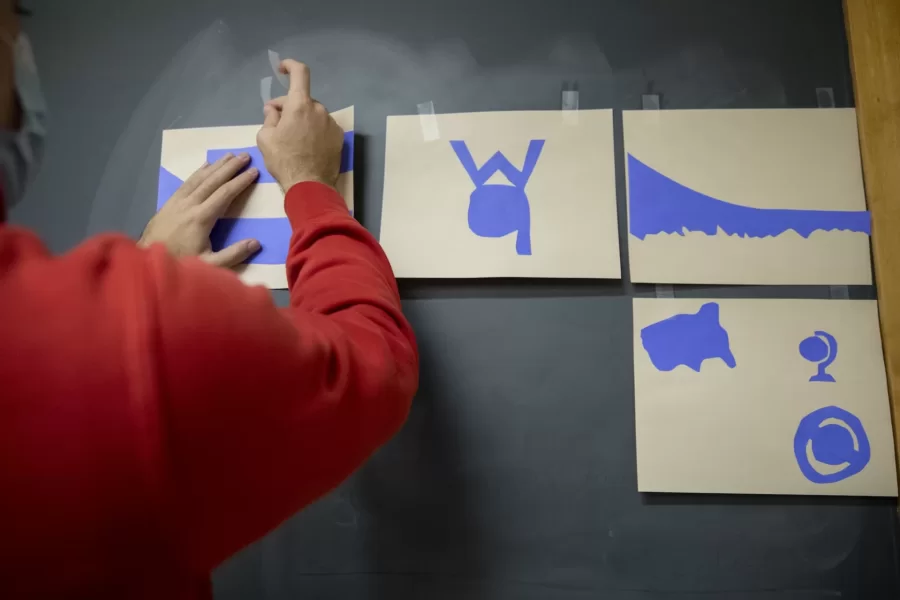
Instructor in Psychology Su Langdon teaches a course on the Sporting Life. In this class, she asks students to create character-based silhouettes in connection with an assigned reading (“How Soccer Explains the World: An Unlikely Theory of Globalization” by Franklin Foer), and to discuss the results which they posted on the classroom blackboard.
Su says: “The purpose was to distill, in a visual format, a key point about politics and sport from the chapter they had been assigned to from Foer’s “How Soccer Explains the World.” The book uses 10 different football (aka soccer) stories to reflect cultural and political tensions. The big g
Rex Lane ’25 of Orlando, Fla., with Su at the end of the class
This is the sixth or seventh time she has taught the course.
FYS 395 – The Sporting Life
Sporting events with such names as the Super Bowl, World Cup, Olympic Games, and March Madness suggest the magnitude of importance of sports in many people’s lives. The fact that so many people so passionately engage in sports as participants and spectators also indicates its significance. The import of sport can be considered from a myriad of perspectives, from the social and natural sciences to the humanities. In this interdisciplinary course, students consider a variety of sources including academic articles, personal memoir, fiction, film, and observation.
What better place to settle down for a mid-afternoon study session?
Pettengill Hall’s Perry Atrium provides a campus crossroads that’s filled with light and warmth, where students can collaborate, converse, or tackle their projects solo.
Whether it’s a psychology assignment, an anthropology abstract, a tasty snack, or a quiet catchup with a friend, there’s something for everyone here.
Why Study Psychology at Bates?
As a psychology major at Bates, you will learn to use rigorous scientific methods to explore behavior and mental processes in humans and, in some cases, non-human animals. Our commitment to small class sizes gives students the opportunity to develop close relationships with fellow majors as well as faculty, offering individualized guidance and support. Opportunities for hands-on research and community-engaged learning in Lewiston, across Maine, and around the world help students develop the knowledge, skills, and confidence they need to succeed in graduate and professional programs or to begin meaningful careers.
“Majoring in social psychology at Bates shaped the way I understand human behavior, decision-making, and organizational dynamics, skills that have proven invaluable in my career in healthcare leadership. Courses spanning social psychology, cognitive science, neuropsychology, statistics, and experimental design gave me both insight into how people and systems function, and a strong analytical foundation.”
Beth Greene Grabowski ’04
Featured Courses
Meet the Faculty
Chaired by Associate Professor of Psychology Michael Sargent, the Bates Psychology department is made up of nationally and internationally respected scholars who bring cutting-edge expertise and individualized guidance to undergraduate teaching. They have earned numerous professional honors — including the American Psychological Association’s Departmental Award for Culture of Service — served in leadership roles in major psychological organizations, and held editorial positions at leading journals.
In the Student Center for Belonging and Community, first-generation Bates students mentor their younger peers, providing guidance on everything from academics to internships to social life.
Bates is embarking on a $45 million project to update two key athletic facilities and construct a new fitness and well-being center. A gift of $10 million from Jon W. Brayshaw ’90, P’25 and Jocelyn Stoddard Brayshaw ’88, P’25 has brought the college a vital step closer to construction. The new facility will be named the Stoddard Fitness and Well-Being Center.
February on campus saw sports successes, several large snowfalls, and our annual Winter Carnival — a week of events celebrating the joys of the chilly season.