
April 9, 2026
Student-led festival brings world class film to Maine
The Bates Film Festival might at first seem like any other film festival. There are screenings, facilitated panel discussions, and featured guests. Running May 12-17,…
Sociology is the study of social behavior, human society, and interactions.
The Department of Sociology focuses on how social structures shape lives and influence behavior from the hyper-local level to the global scale. Courses dissect and address social phenomena ranging from patterns of everyday interaction to social and political revolutions, offering a unique potential not only for understanding society, but also social action and change.
Matt Von Vogt, Academic Administrative Assistant
4 Andrews Rd
Pettengill Hall
Phone: 207-786-8296
mvonvogt@bates.edu






A sociology degree from Bates is a strong foundation for a wide range of careers, from government, public policy, journalism, and law to social work, counseling, and human resources. Many graduates go on to pursue graduate degrees in sociology and related areas, including law, criminal justice, health care administration, and more.
of 2020-2024 Bates graduates are employed and/or attending graduate school — settled into their next opportunity within 6 months of graduation.
“Studying sociology has reaffirmed my interest in public service, while the knowledge I have gained through this major will support my career.”
— Jack Lawrence ’24
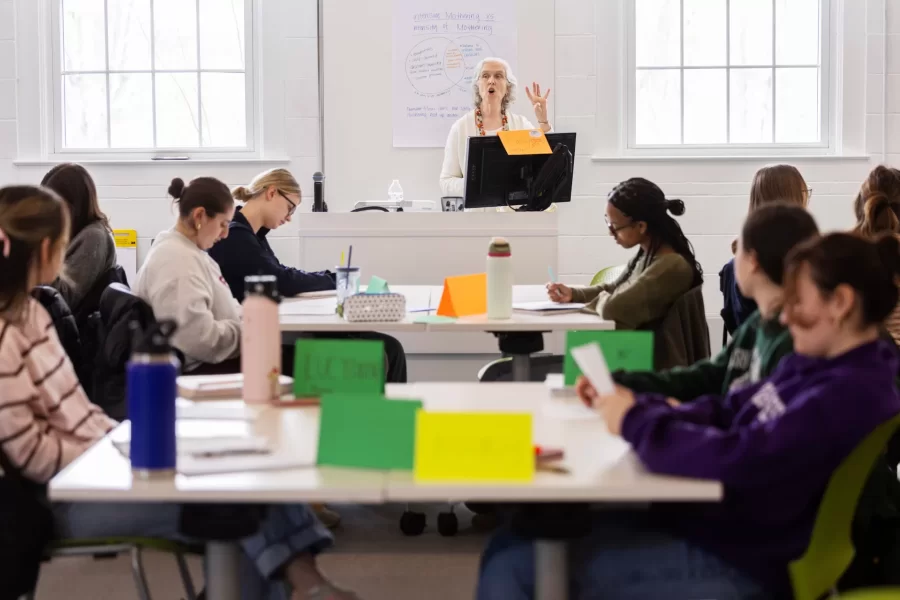
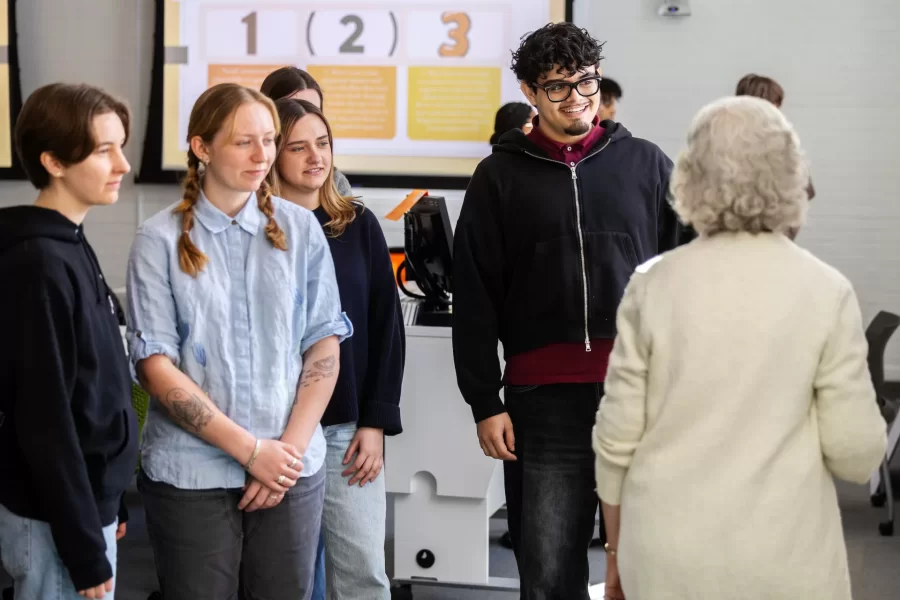


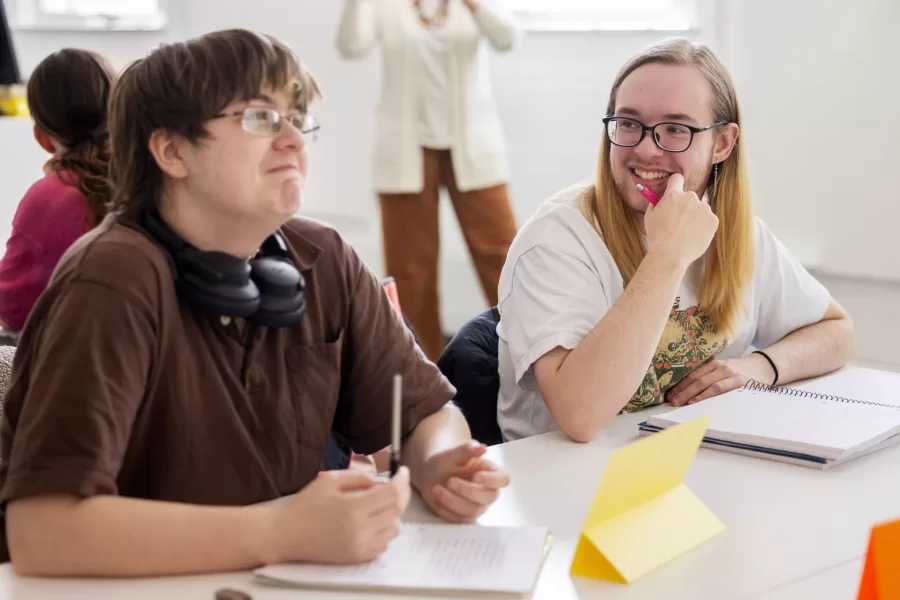

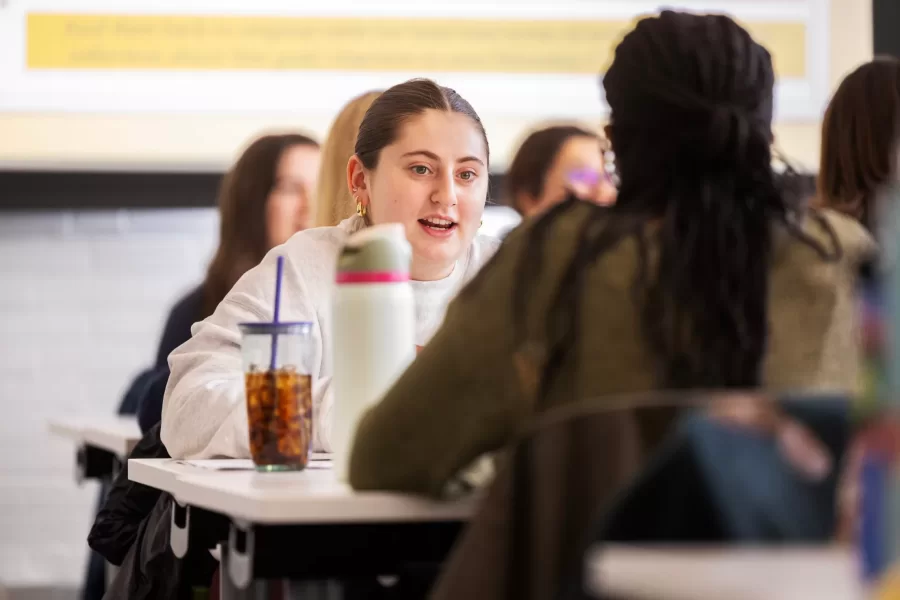
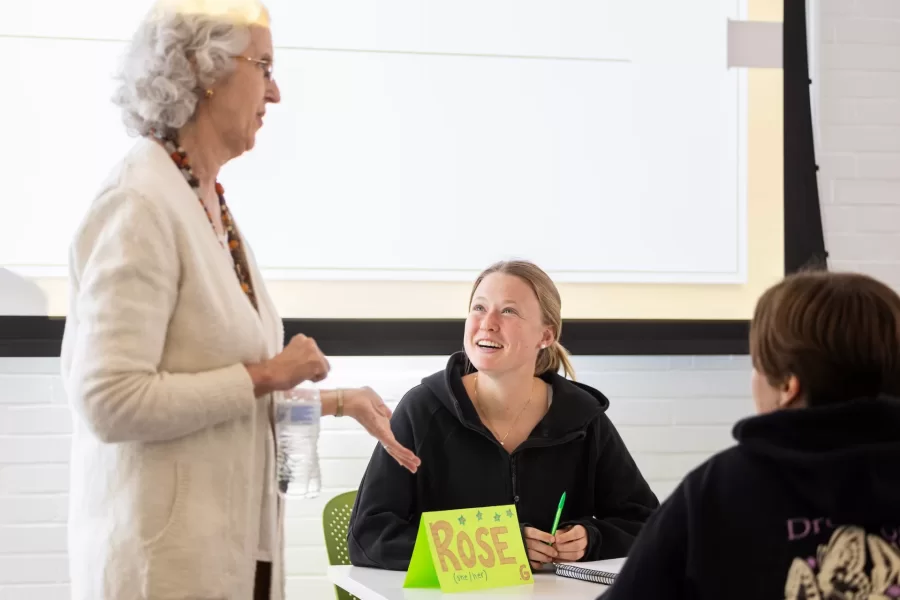
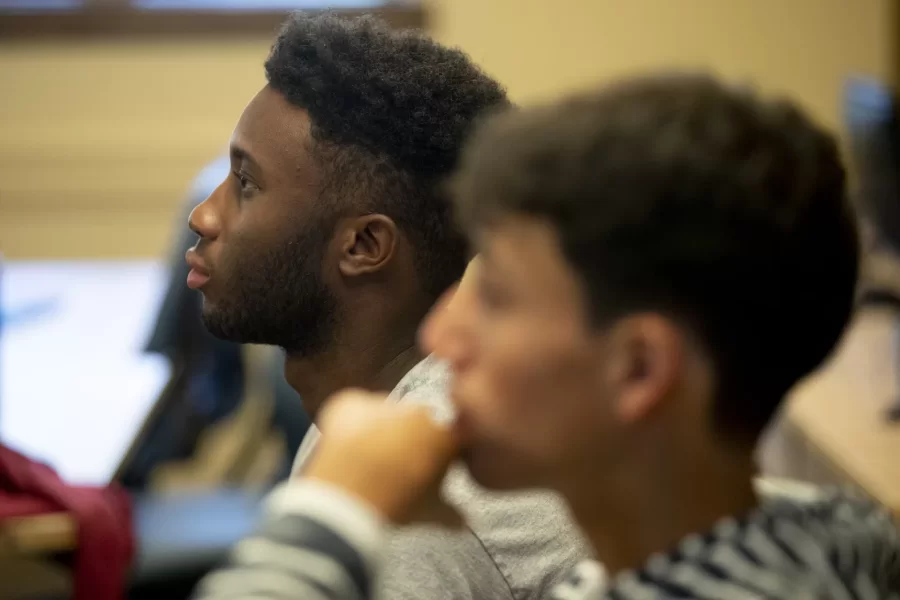
Professor of Sociology Emily Kane meets this morning with students in her First Year Seminar, “Inequality, Community, and Social Change,” a course in which students explore community-engaged efforts to advance social change and the role of colleges and universities in those efforts. . This morning between 9 a.m. and noon, members of the Class of 2023 gathered with their First Year Seminar classmates and instructor, who will also be their students’ first-year adviser. They spent their time discussing the course as well as their academic advising. . Swipe left to see some moments the classroom with Kane and her students and with Lecturer in Environmental Studies Ethan Miller ’00, who met with his students in his First-Year Seminar “Life Beyond Capitalism,” a course that draws on tools from economic anthropology and geography to examine myriad, existing noncapitalist livelihood practices in contemporary industrialized societies.
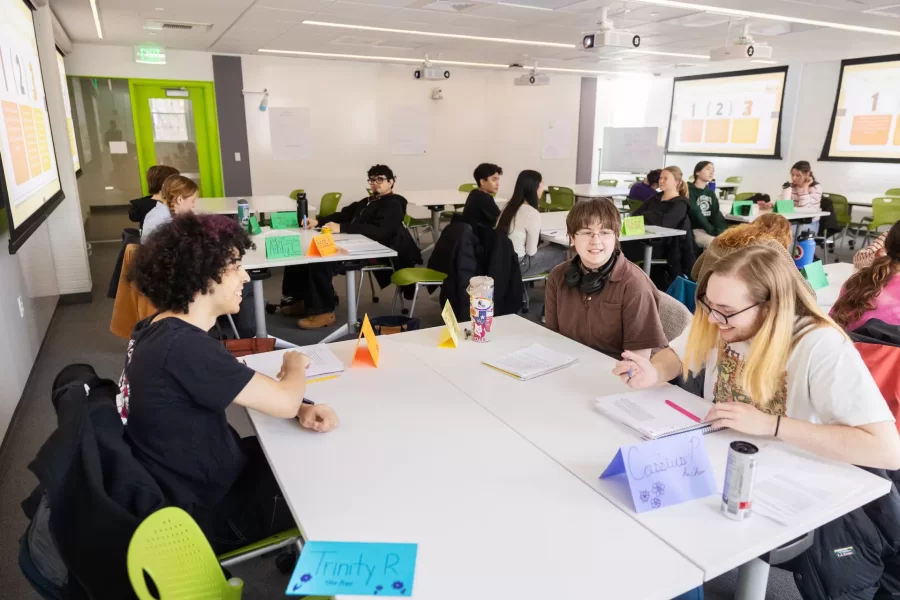
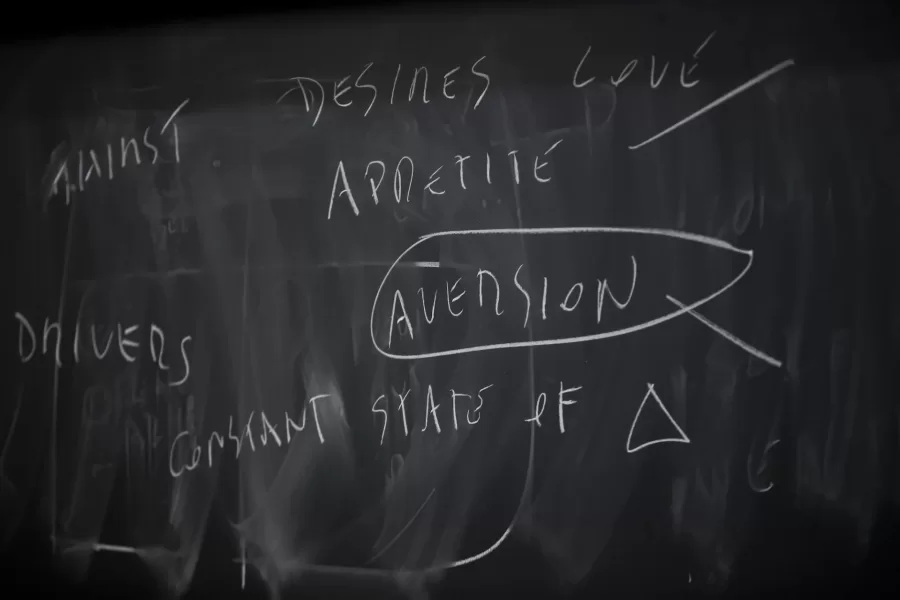
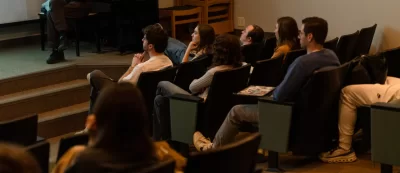
A day in the life of Pettengill Hall, featuring staff, faculty and students engaged in learning, studying, and working, with both internal and external images. Francesco Duina teaches ìTheoretical Foundations of Sociology,î G65
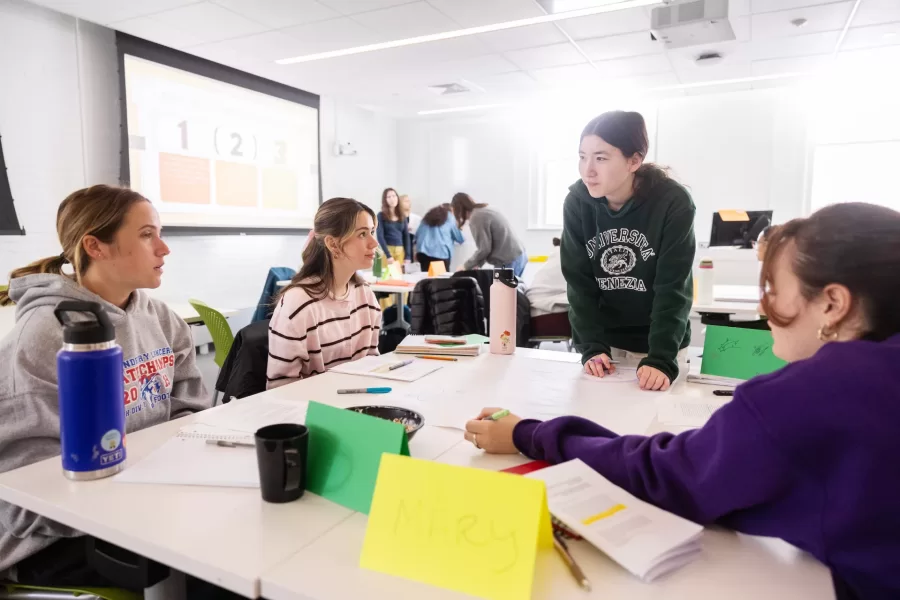
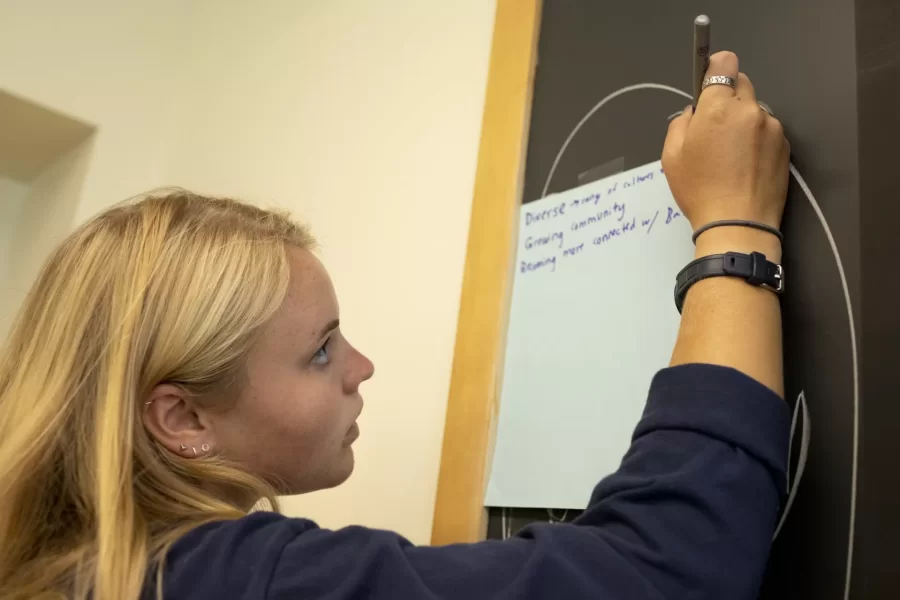
Professor of Sociology Emily Kane meets this morning with students in her First Year Seminar, ìInequality, Community, and Social Change,î a course in which students explore community-engaged efforts to advance social change and the role of colleges and universities in those efforts. . This morning between 9 a.m. and noon, members of the Class of 2023 gathered with their First Year Seminar classmates and instructor, who will also be their studentsí first-year adviser. They spent their time discussing the course as well as their academic advising. . Swipe left to see some moments the classroom with Kane and her students and with Lecturer in Environmental Studies Ethan Miller í00, who met with his students in his First-Year Seminar ìLife Beyond Capitalism,î a course that draws on tools from economic anthropology and geography to examine myriad, existing noncapitalist livelihood practices in contemporary industrialized societies. Caitlyn Hanley ’23

Associate Professor of Education Mara Tieken, winner of the 2024 Kroepsch Teaching Award, teaches students in her course “EDUC 231 – Perspectives on Education” in Pettigrew 30 on January 16, 2025. EDUC 231 – Perspectives on Education This course introduces students to foundational perspectives (anthropological, historical, philosophical, psychological, and sociological) on education and helps students apply these perspectives to contemporary schools and classrooms. The course considers several large questions: What should be the purpose of education in a democratic society? What should be the role of the school? Who should participate in making decisions about schools? In what ways do schools reflect and perpetuate larger social inequities, and, alternately, how can they contribute to a more just and inclusive society? Students must complete at least thirty hours of fieldwork.
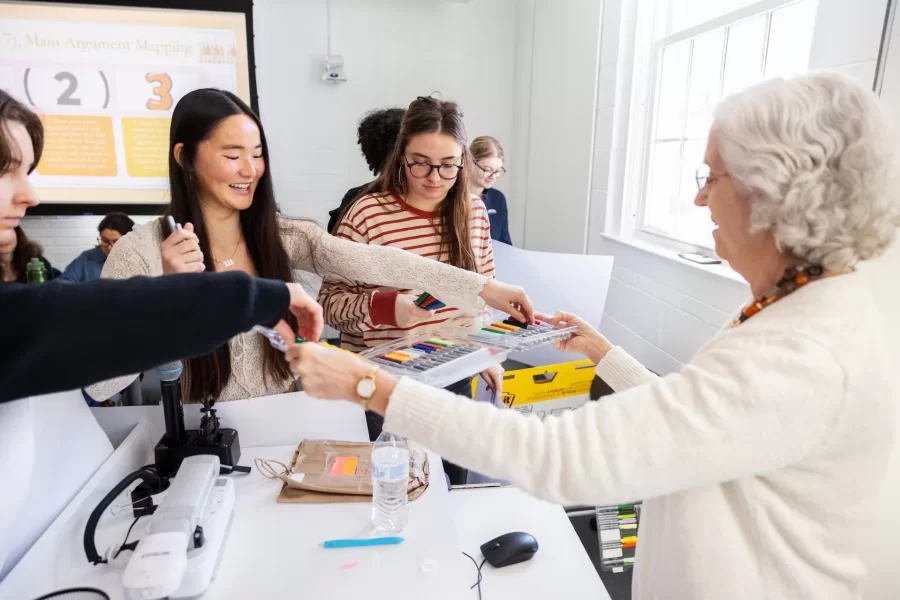

A day in the life of Pettengill Hall, featuring staff, faculty and students engaged in learning, studying, and working, with both internal and external images. Francesco Duina teaches “Theoretical Foundations of Sociology,” G65
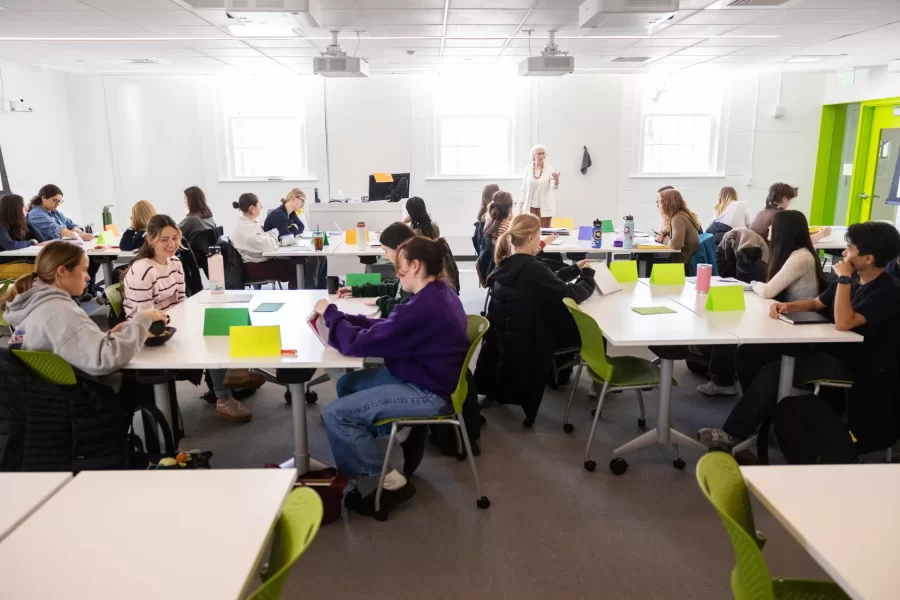
The sociology department offers a variety of 100- and 200-level courses that provide a strong and diverse foundation for advanced courses. Most 200-level courses are open to first-year students and have no prerequisites. The major concludes with the senior thesis, which allows students to work as independent sociologists, selecting their own methods and approaches to answer a specific sociological question. Students will leave the program with a fresh perspective on society and the people who inhabit it.
Faculty members in the sociology department have published books with renowned presses, contributed articles to prestigious scholarly journals, and authored quantitative and qualitative research that has broken new ground. Their expertise spans a wide range of sociological topics, including racial and ethnic identity construction, criminological theory, and the interactions between culture, institutions, and the economy.
The Bates Film Festival might at first seem like any other film festival. There are screenings, facilitated panel discussions, and featured guests. Running May 12-17,…

Bates will recognize four honorary degree recipients during Commencement on May 31, including Commencement speaker Deborah Harkness.
The application pool for the Class of 2030 is the largest in Bates’ history with a total of 12,009 applicants seeking admission for the 2026-2027…