Rhetoric, Film, and Screen Studies at Bates
The Department of Rhetoric, Film, and Screen Studies takes an interdisciplinary approach to the study of human communication focusing on the intersectional nature of meaning and knowledge.
Our courses examine how texts and screen texts — film, television, and the virtual world — transmit messages and look at the historical, sociocultural, and economic forces that shape their circulation and interpretation, taking into account race, ethnicity, gender, class, and more.
Contact Us
Nicole Emery, Academic Administrative Assistant
305 College Street
Pettigrew Hall
Phone: 207-786-8392
rfss@bates.edu
What You Will Learn

How to articulate the role of language and visual media in creating, negotiating, and maintaining power and privilege

To apply your critical thinking skills through the analysis and creation of arguments

The art of identifying and describing different theoretical approaches to discourse

How to communicate clearly, assessing how to speak to different groups based on situation, topic, and audience

To create critical discourse through the synthesis of creative thinking, research, and analysis

How to navigate the ways power and privilege are challenged and reinforced by media, form, and message
Life After Bates
Our major prepares students to work in a wide range of fields, including politics, broadcast journalism, education, advocacy and activism, video game design, film and television, and more. Recent graduates include digital content managers, production assistants, film producers, and morning show news anchors, and many students go on to achieve post-graduate degrees across many different topics.
94%
of 2020-2024 Bates graduates are employed and/or attending graduate school — settled into their next opportunity within 6 months of graduation.
“The rhetoric department at Bates gave me my adult professional life. Full stop. I walked in with no plan and walked out with the components for a career I didn’t even know existed yet. My professors taught me that persuasion, argument, and rhetoric (the real kind, not the pejorative cable shout-y kind) were ways of genuinely engaging with other humans and their points of view. That you could build an actual life being creative. The documentary classes, my thesis, and my film independent study, the debate team, all of it. These people handed me everything I needed. Advertising, entertainment marketing, branding, every campaign and creative brief I’ve touched in thirty-plus years traces back to that department.”
— Christopher Donovan ’92
Selected Places of Employment/Service
- Vox Media
- Kraft Sports + Entertainment
- Toast
- Santander Bank N.A.
- New Balance
- Fulbright Fellowship
- Boston Medical Center
- Eugene O’Neill Theater Center
- FiscalNote
- Embassy of Nepal
Selected Graduate Schools
- London School of Economics
- Yale School of Medicine
- New York University
- University of Chicago
- Boston College
- Suffolk University Law School
- Tufts University
- Columbia University
- Miami Ad School
- Rutgers University
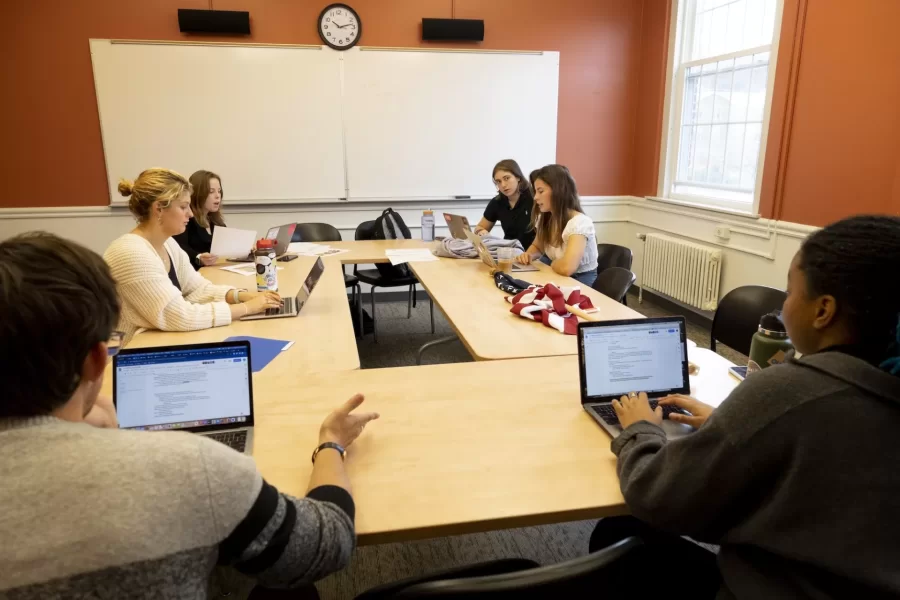
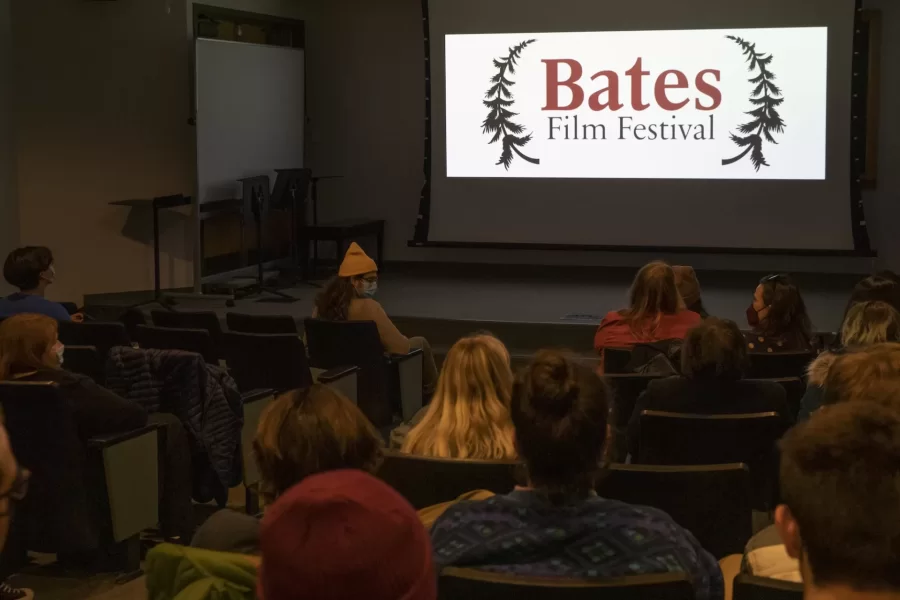
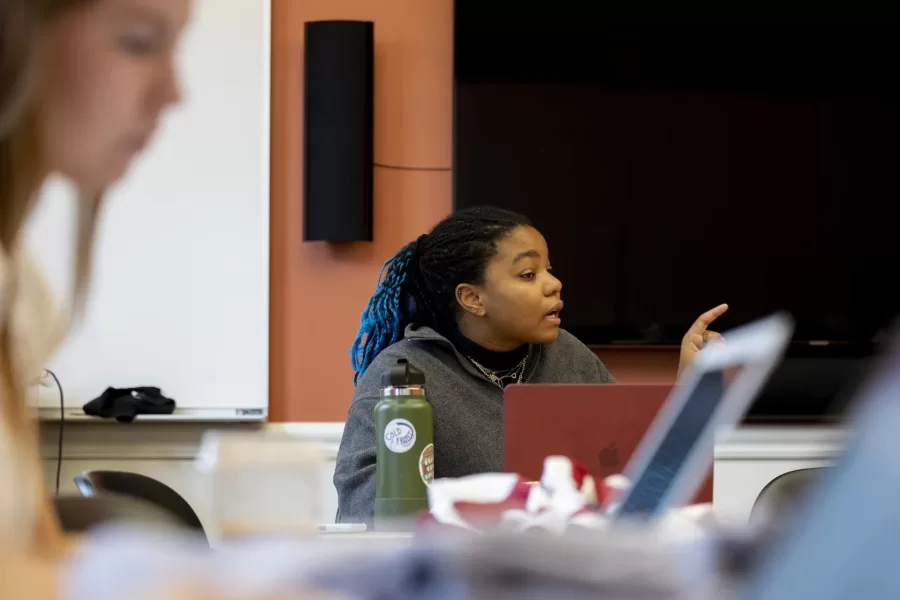
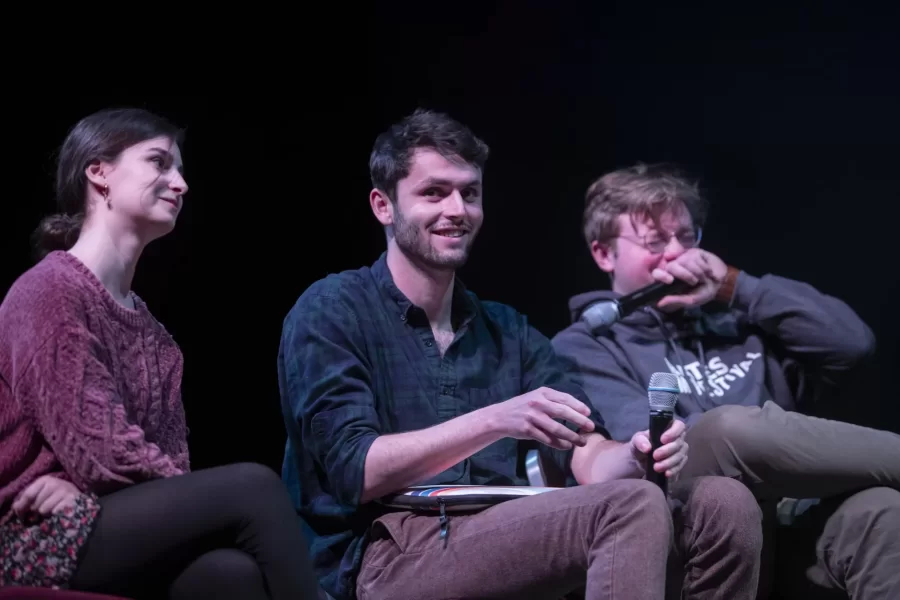
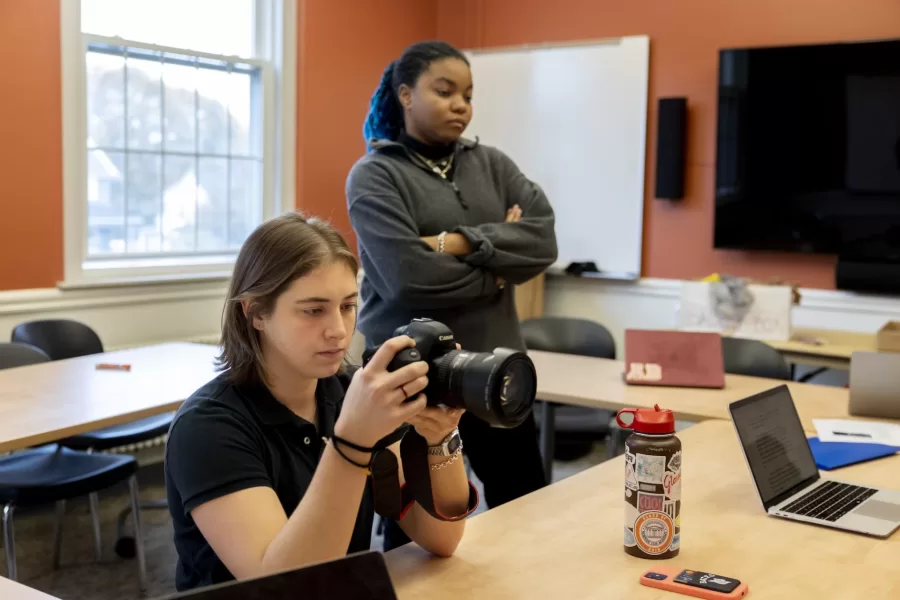
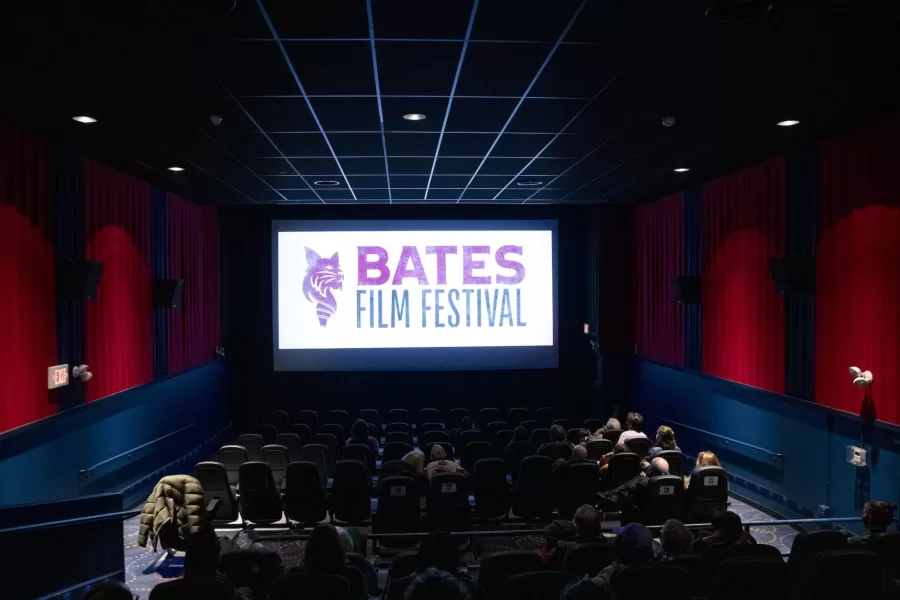
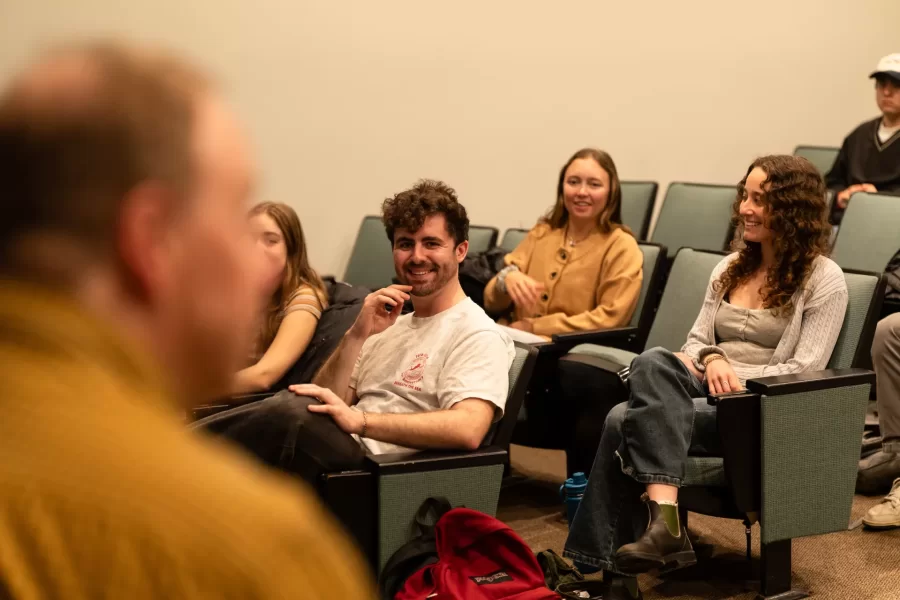
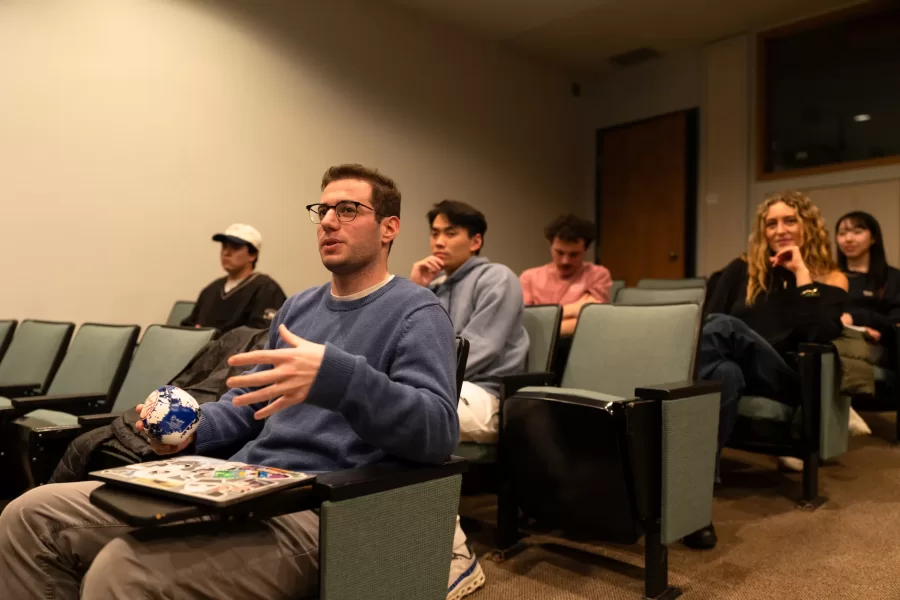
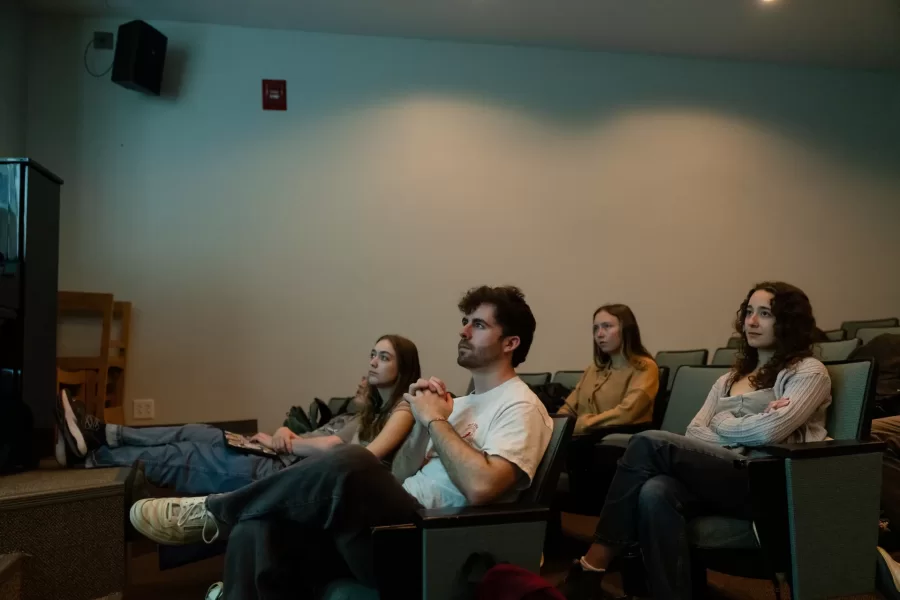
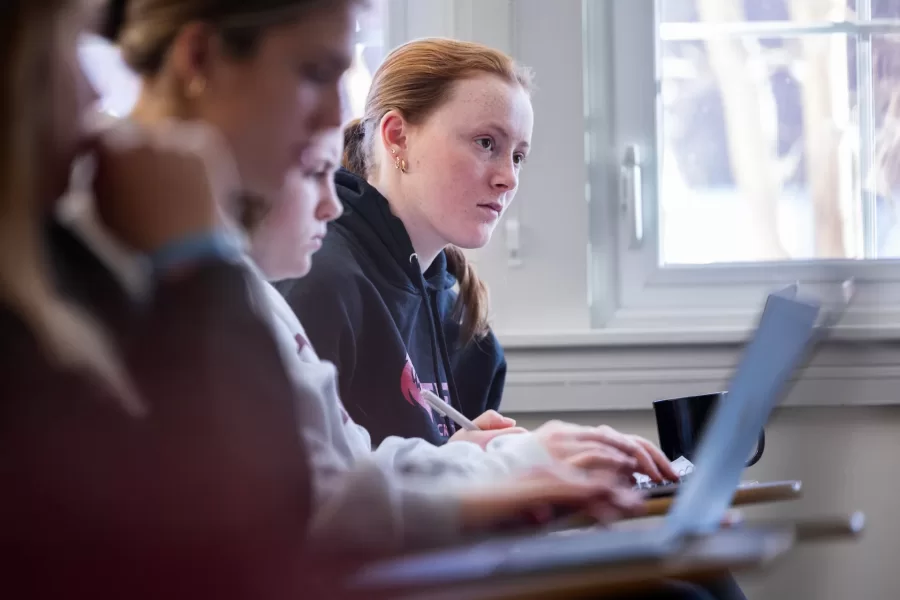
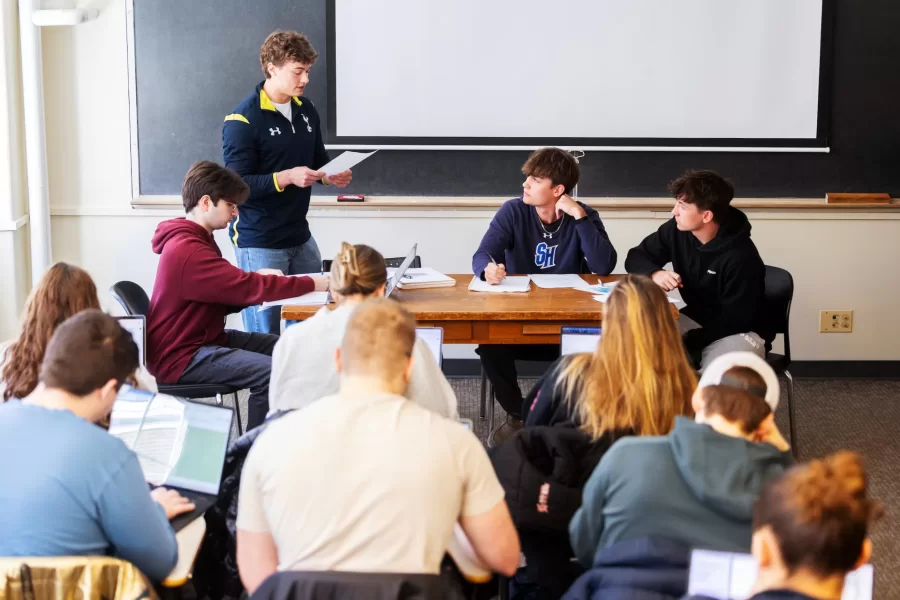
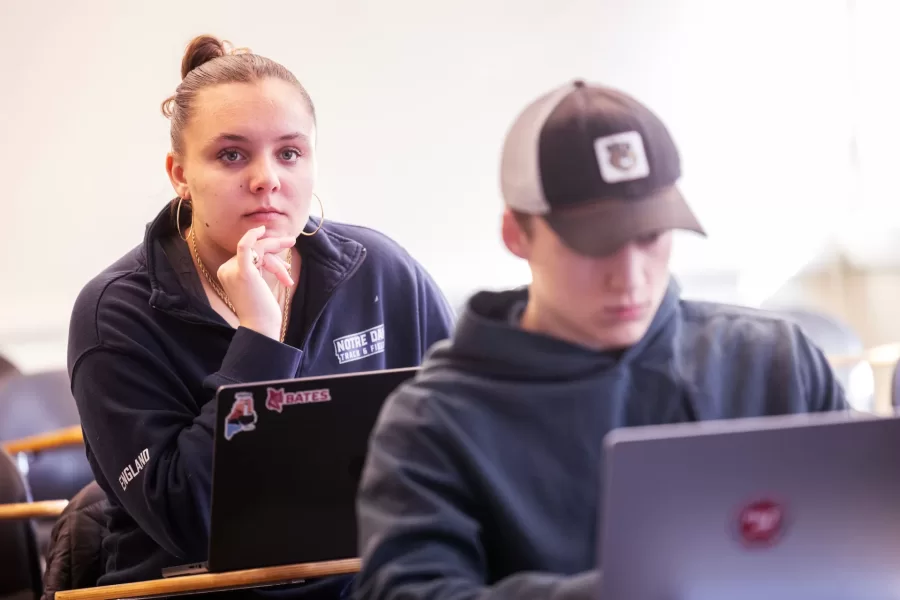
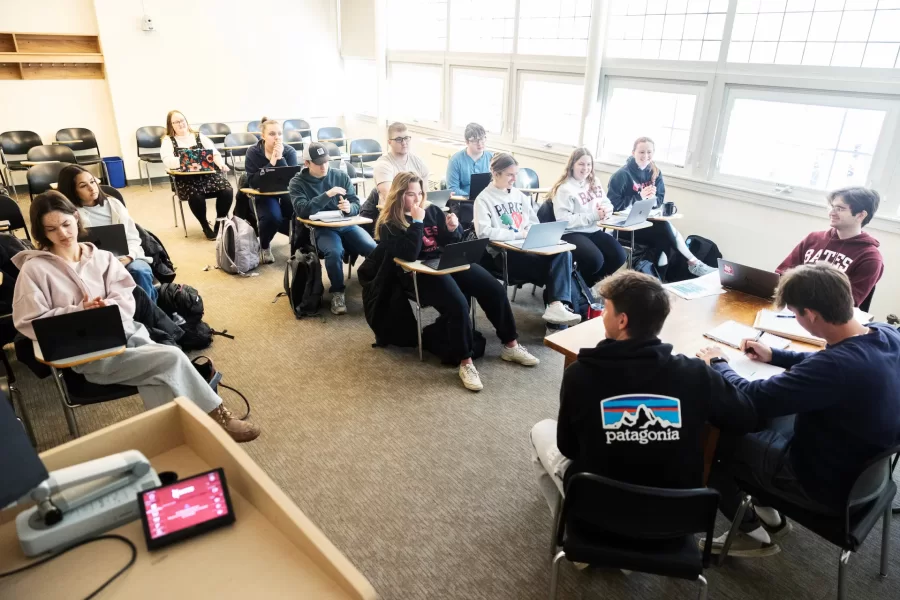
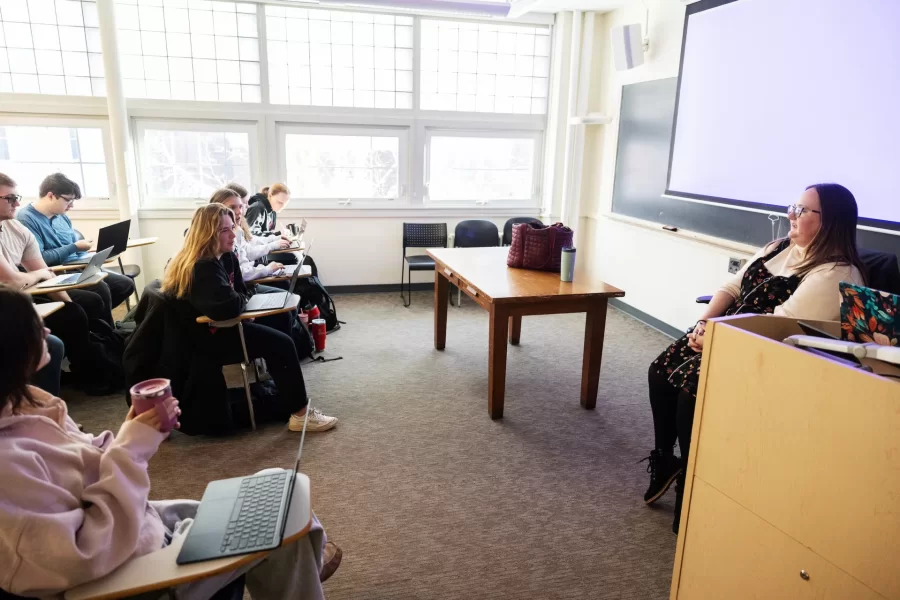
Lewiston, ME, United States — Students watch the film, “Say Cheese!” by Bates alum Amy Geller `96, during a Film Festival Studies taught by Professor Jonathan J. Cavallero in Olin Arts Center 105 at Bates College in Lewiston, ME on Wednesday, March 25, 2026. Students discussed whether they should show the film at the upcoming festival and issues with copyright over the music that is used in the film. (Photo by Yoon S. Byun) © 2026 Strewn Wonder, LLC
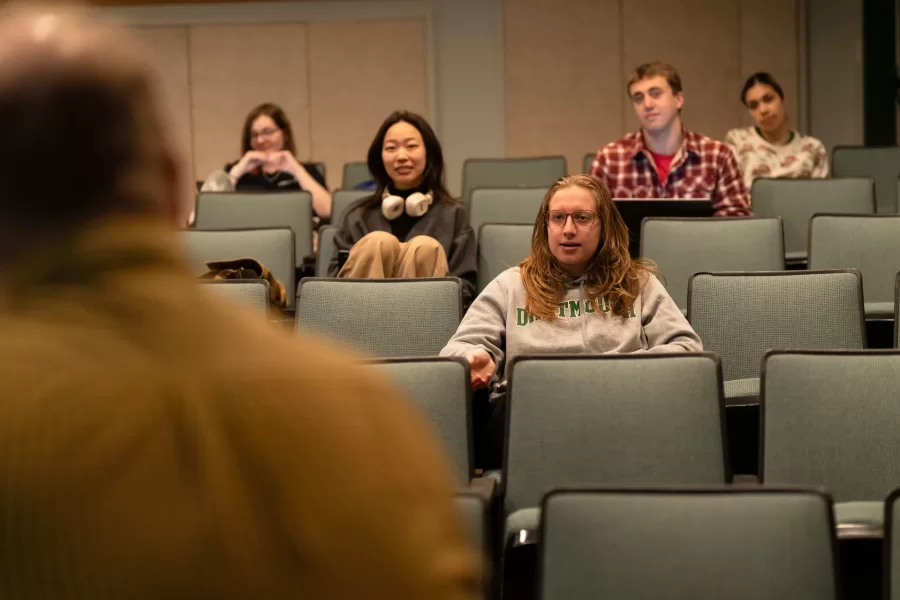
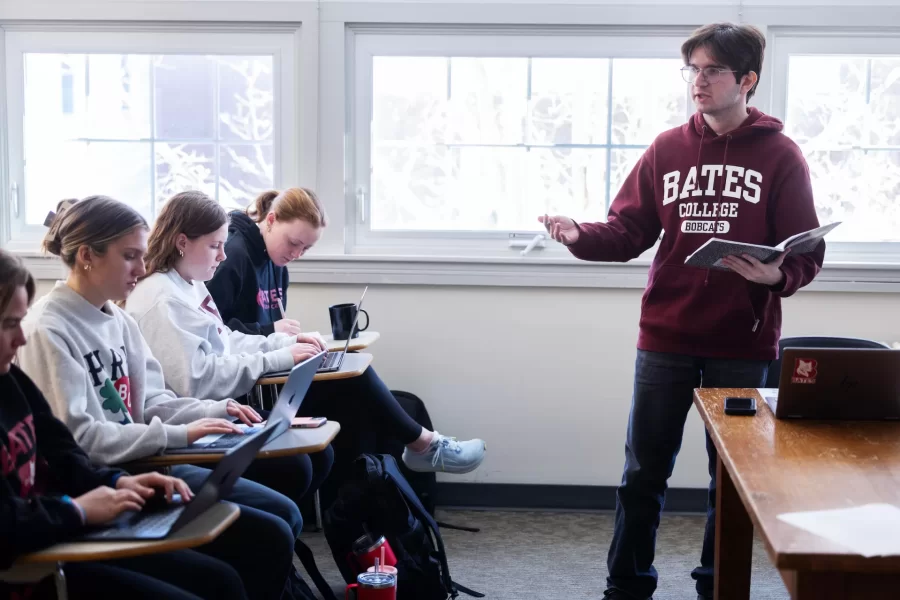
Lewiston, ME, United States — A student talks about plans for the upcoming film festival at the beginning of his Film Festival Studies taught by Professor Jonathan J. Cavallero in Olin Arts Center 105 at Bates College in Lewiston, ME on Wednesday, March 25, 2026. Students discussed showing a film by a Bates alum and issues with copyright. (Photo by Yoon S. Byun) © 2026 Strewn Wonder, LLC
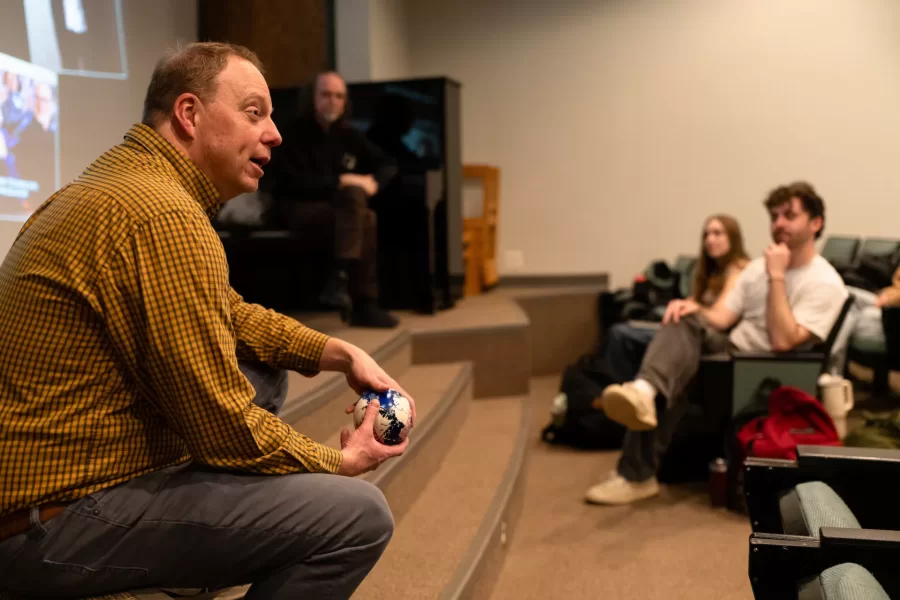
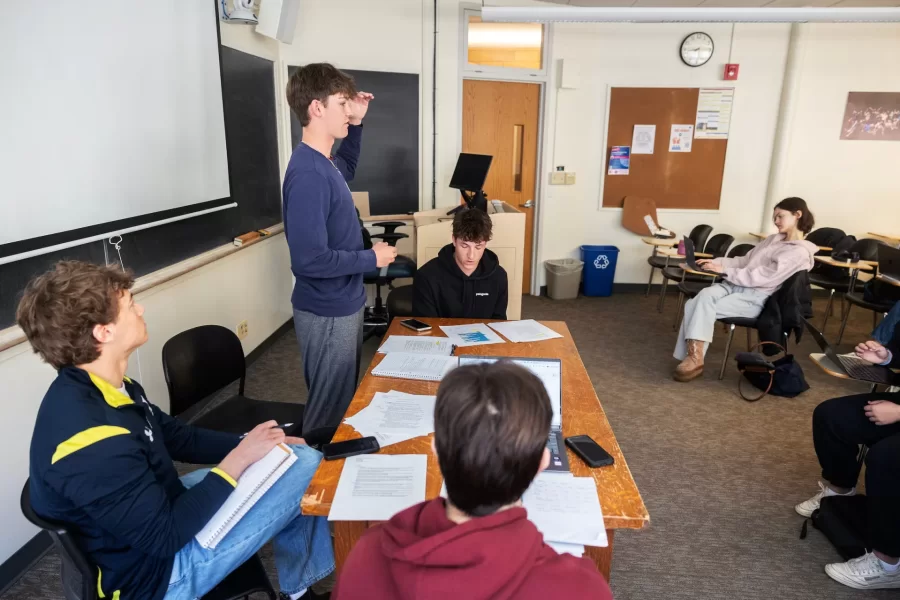
Lewiston, ME, United States — Professor Jonathan J. Cavallero talks to students about planning the upcoming film festival at the beginning of his Film Festival Studies in Olin Arts Center 105 at Bates College in Lewiston, ME on Wednesday, March 25, 2026. Students discussed showing a film by a Bates alum and issues with copyright. (Photo by Yoon S. Byun) © 2026 Strewn Wonder, LLC
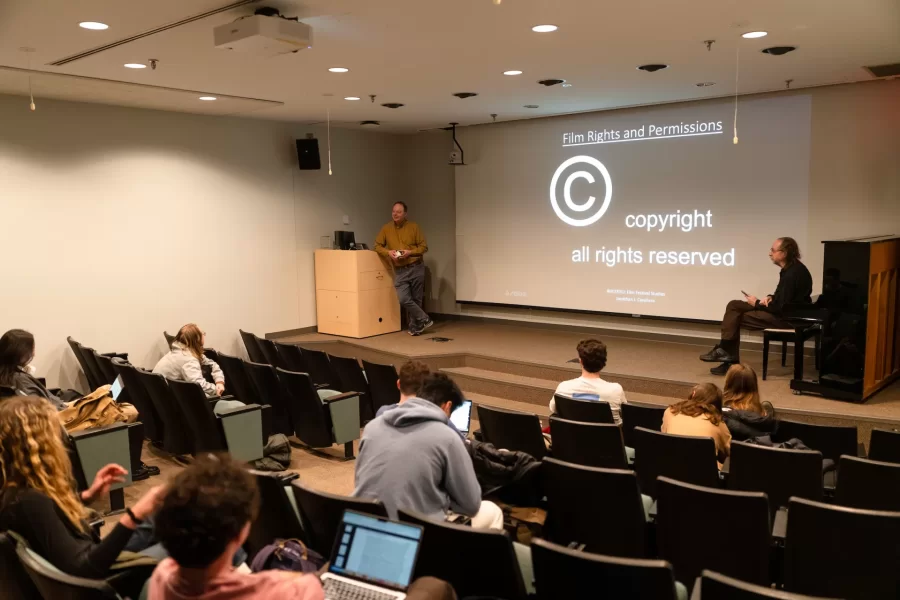
Lewiston, ME, United States — Professor Jonathan J. Cavallero talks to students about planning the upcoming film festival at the beginning of his Film Festival Studies in Olin Arts Center 105 at Bates College in Lewiston, ME on Wednesday, March 25, 2026. Students discussed showing a film by a Bates alum and issues with copyright. (Photo by Yoon S. Byun) © 2026 Strewn Wonder, LLC


Why Study Rhetoric, Film, and Screen Studies at Bates?
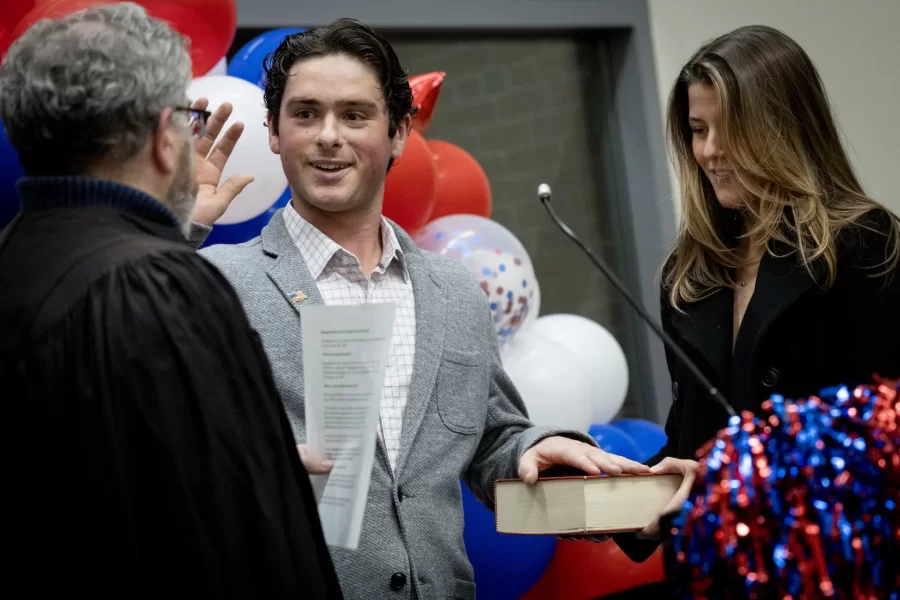
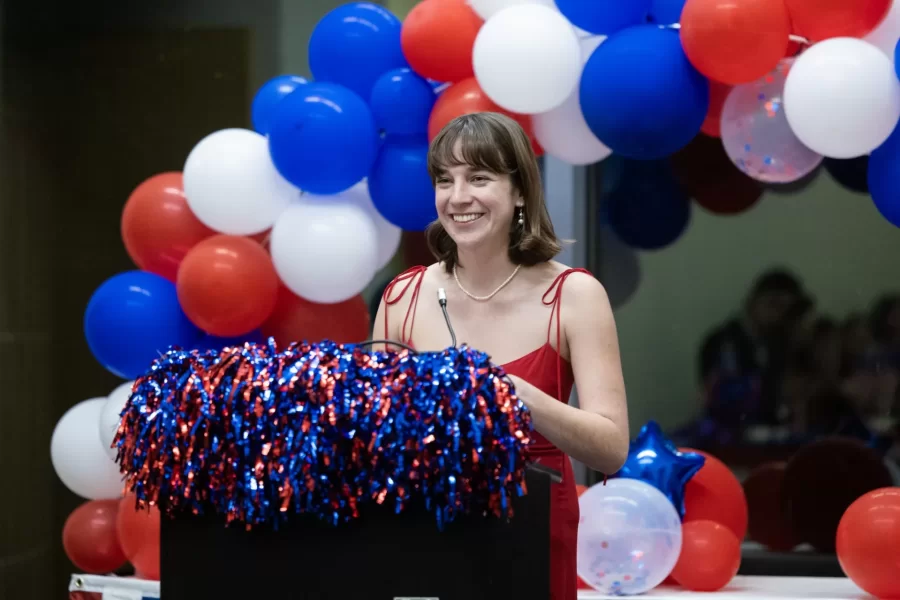
The RFSS major at Bates offers a hands-on approach for students, with community engagement serving as a key element in many of our classes. Students have the chance to participate in events including the Bates Film Festival and the “Presidential Campaign Rhetoric” course, during which they run nine-week-long mock campaigns. We also host lunch panels discussing popular culture; recent panels focused on the box office phenomenon known as “Barbenheimer” and the films Nope and Sinners.