

October 8, 2026
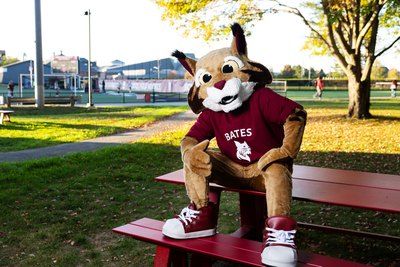
There’s a new (Bob)cat in town!
After a year-long effort to redesign the Bobcat mascot, the new Bobcat is out and about on campus. The mascot debuted on Sept. 26 at the home football season opener.
The Department of French and Francophone Studies focuses on developing French language proficiency while exploring the histories, cultures, and societies of the French-speaking countries around the world.
Drawing on film, literature, theater, graphic novels, and pop culture, courses in this department focus on decolonization and anti-racism within this subject. All courses are taught in French, except in the case of some courses cross-listed with other departments or programs, giving students ample exposure to the language as they fine-tune their French skills.
Indya Childs, Academic Administrative Assistant
9 Andrews Road
Roger Williams
ichilds@bates.edu






French and Francophone studies majors graduate from Bates with strong cross-cultural and analytical skills which are valued across a wide range of careers, including journalism, law, international finance, museum curation, and global community engagement. Recent majors have embarked on successful jobs in media, psychology research, the film industry, and at the Metropolitan Museum of Art.
of 2020-2024 Bates graduates are employed and/or attending graduate school — settled into their next opportunity within 6 months of graduation.
“I was able to take my French major and spin it into international business. After Bates, I went into investment banking at a French investment bank. I really built on that and am now running an international business for a U.S.- based financial media company. I really got that foundation to say, okay, what are some of the building blocks of a career?”
— Marsha Larned ’07
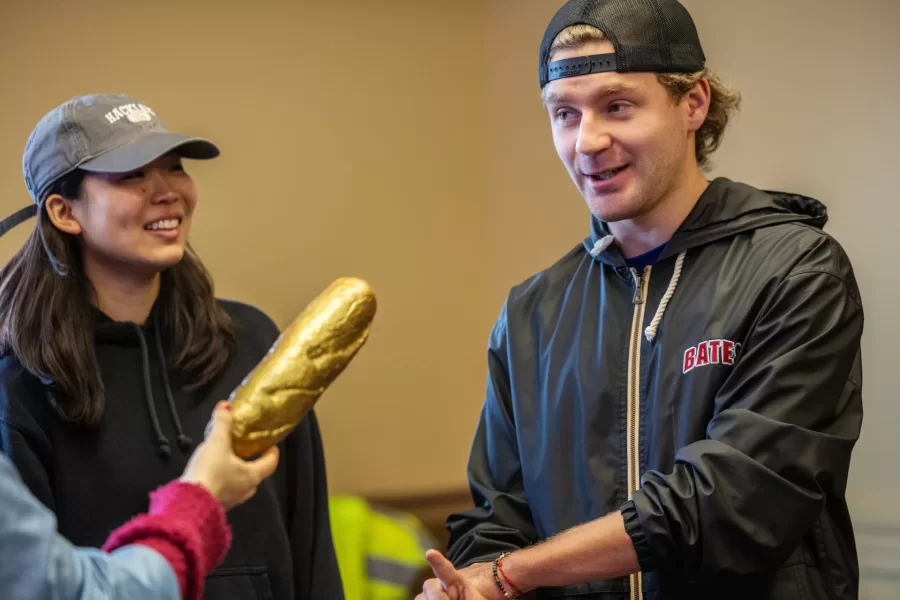
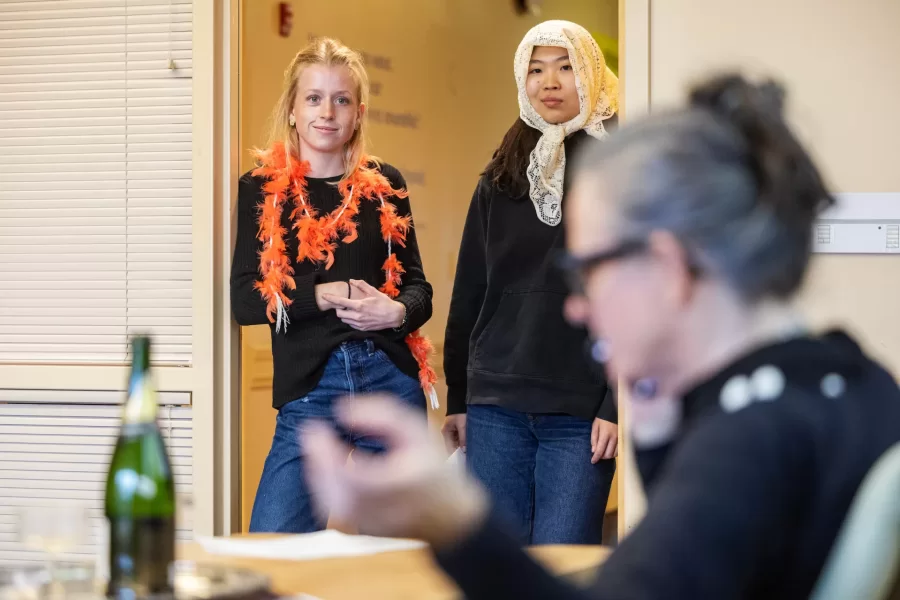
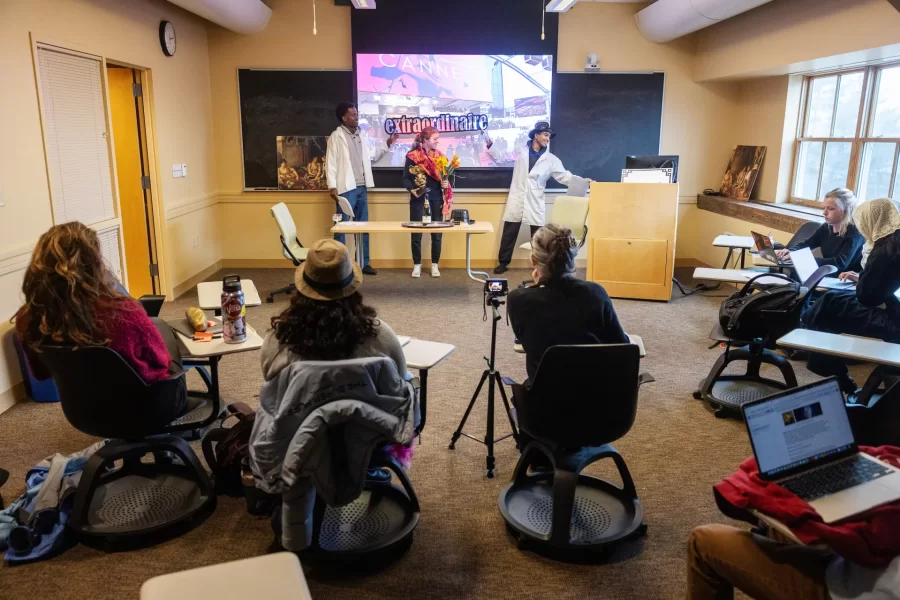
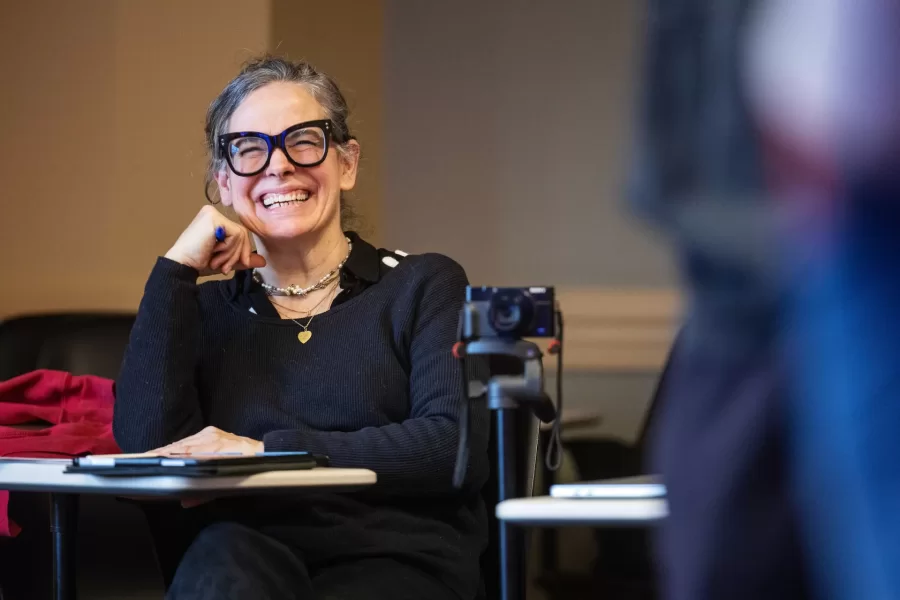
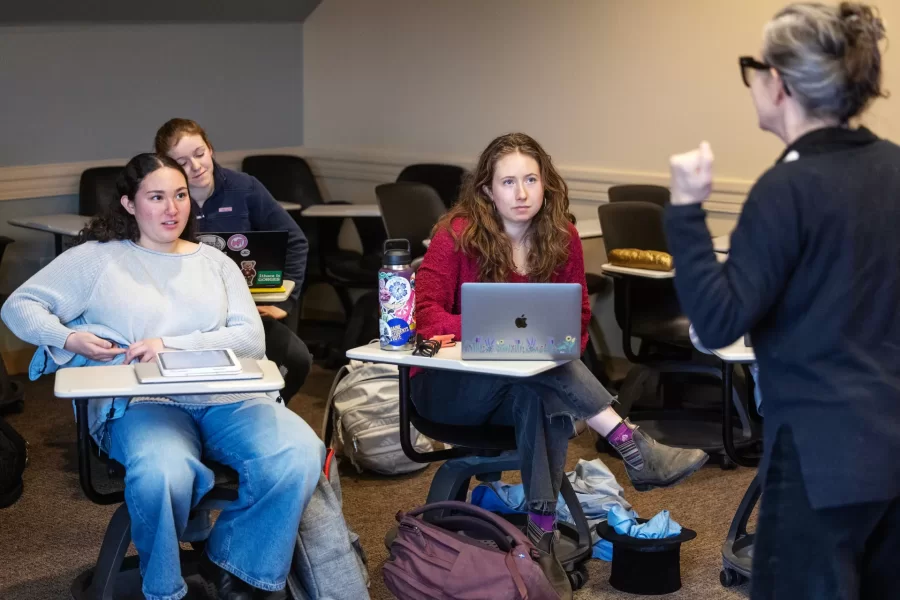
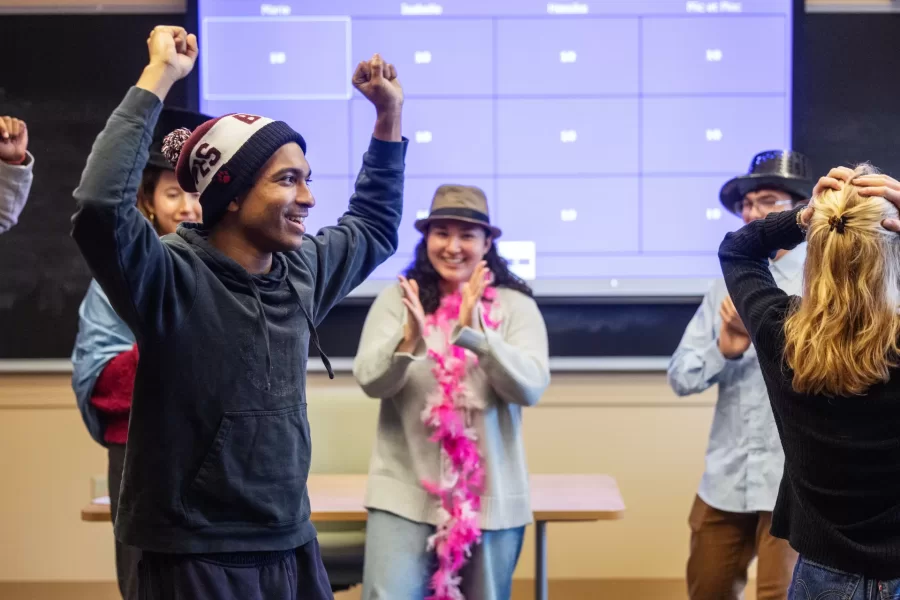
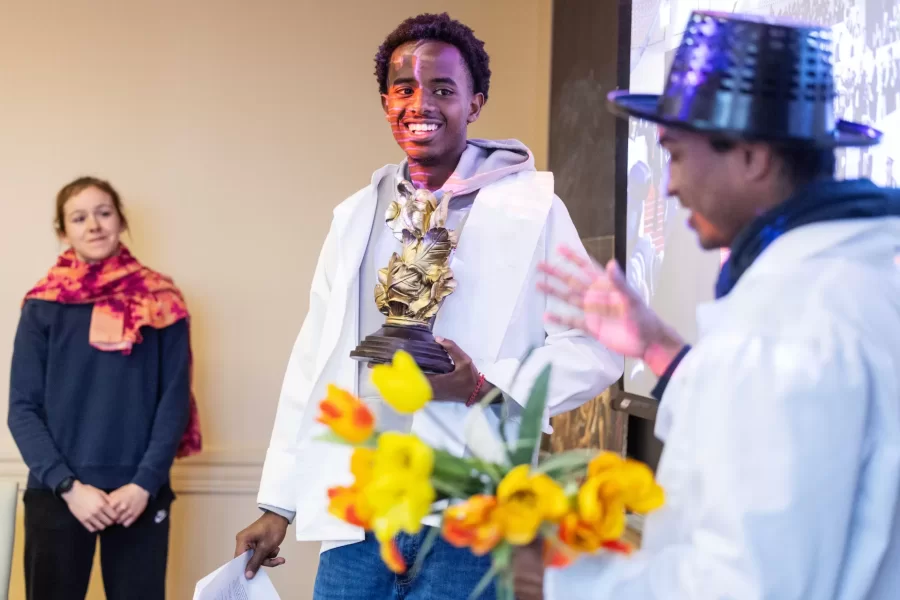
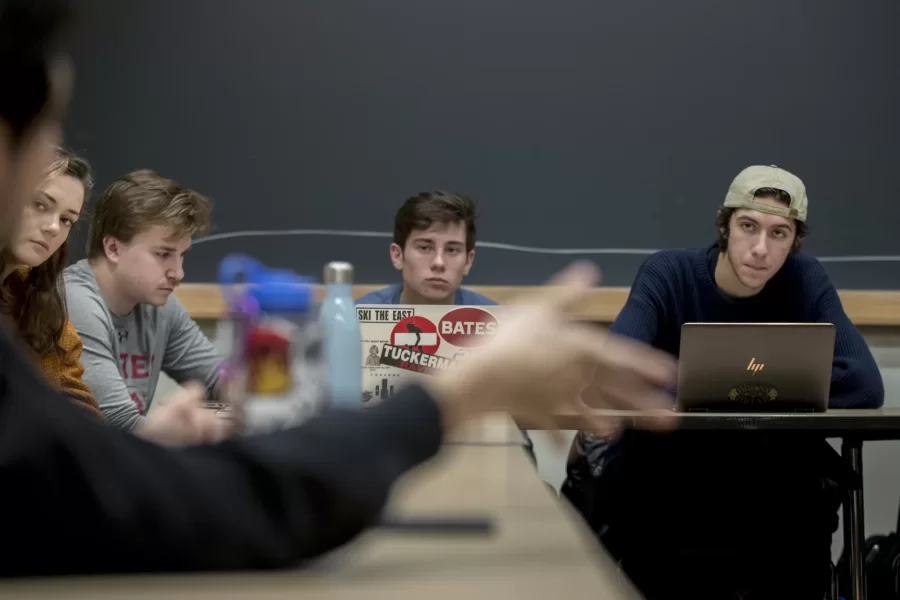
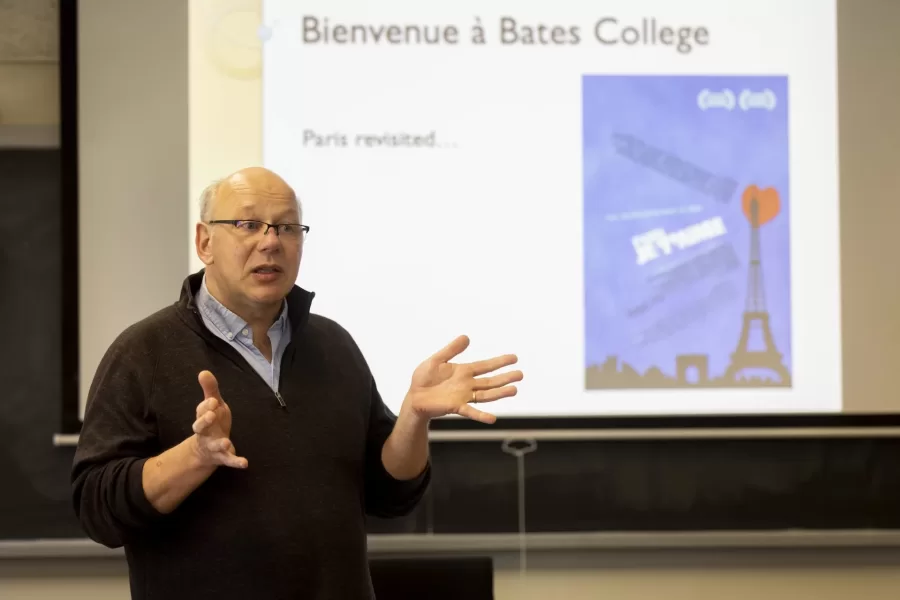
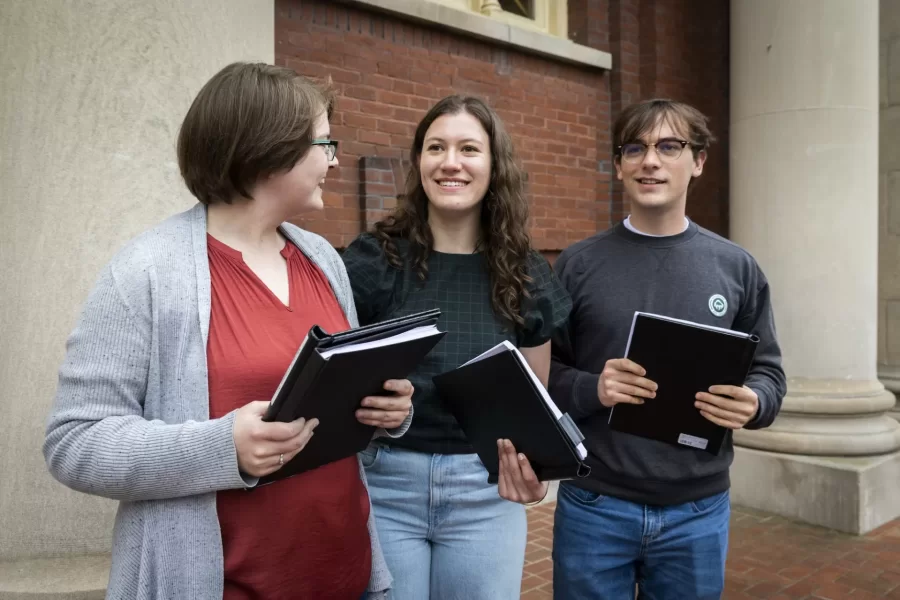

The French and Francophones studies department takes a wholly interdisciplinary approach, delving into sociology, anthropology, rhetoric, and more to give students a well-rounded view on the subject. The majority of students study abroad for one semester or a year in places including Bordeaux, France; Paris; and Rabat, Morocco. In addition, Lewiston has a rich and diverse Francophone population, allowing students to converse with French Canadians and new Mainers from various sub-Saharan Francophone countries and get first-hand exposure to the voices and topics they’re studying.
I majored in Politics and French with a concentration in Class, Inequity, Poverty, and Justice, and participated in the Bonner Leadership Program through the Harward Center. These academic and community‑based experiences shaped my commitment to education as a catalyst for expanding opportunity. As a teacher, I led a study abroad program to France for my high school students. I later transitioned into talent acquisition, focusing on recruiting educators for hard‑to‑fill roles in public schools. Today, I oversee educator pipeline programs and licensure compliance for DC Public Schools, serving over 50,000 students across 117 schools.
Nathalie Sharp ‘13
Faculty in French and Francophone studies hold doctorates from renowned universities and have expertise that spans a wide range of historical and geographical contexts, from early modern France to contemporary Francophone studies. Faculty members have worked across many subject areas, including directing international study programs, leading national scholarly associations, and partnering with Franco-American communities in Maine. The faculty works closely with students to bring current research into their classroom and demonstrate how rigorous humanities scholarship can address pressing global issues.
After a year-long effort to redesign the Bobcat mascot, the new Bobcat is out and about on campus. The mascot debuted on Sept. 26 at the home football season opener.
This news roundup includes alumni achievements from the Class of 1977 to 2026; faculty recognition, publication, and appearances; and coverage of President Garry W. Jenkins’ participation in the annual Presidents’ Dinner for media.
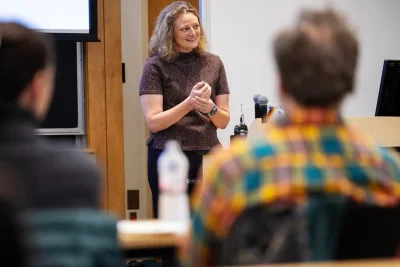
Associate Professor of English Jess Anthony ’96 gave a lecture for her Kroepsch Award for Excellence in Teaching on Sept. 30. She discussed and read from her most recent novel, The Most.