Anthropology at Bates
Anthropologists investigate cultural variation, with particular attention to race, gender, ethnicity, political and social change, and human evolution.
Anthropology is the study of what it means to be human. The Bates Department of Anthropology specializes in sociocultural anthropology, with forays into archaeology and linguistics. We focus on analyses of social challenges and opportunities and train students in systems-level thinking, attuning our students to how meaning and power are created and contested in everyday life. Our anthropology program emphasizes the importance of global study while preparing students to critically examine their own cultures.
Contact Us
Tobie Akerley Gordon
Pettengill Hall
Phone: 207-786-8295
takerley@bates.edu
What You Will Learn

How to read and think critically and design multifaceted responses to challenging questions

To collaborate with faculty in ongoing research projects through coursework and/or independent projects

The purpose of ethnographic fieldwork and how to conduct it

How to construct and deliver compelling arguments in both oral and written form

To develop the skills and adaptability to navigate our rapidly changing world

How to present unique findings to peers and mentors at regional and national conferences
Life After Bates
Our students leave Bates with a strong understanding of and ability to engage in ethnographic work. Graduates are creative and effective oral, visual, and written communicators and skilled observers of social life who are able to connect theory and practice in their lives and careers after Bates.
94%
of 2020-2024 Bates graduates are employed and/or attending graduate school — settled into their next opportunity within 6 months of graduation.
“Being an anthropology major was one of the best decisions I could have made for my future career. My studies helped me develop my own voice on important issues, strengthen my critical thinking skills, and gave me a deeper understanding of humanity and what makes us tick. Even years later, I remain in touch with many of my professors and deeply value the perspectives, conversations, and lasting relationships that continue to influence me.”
— Ashley Bryant ‘16
Selected Places of Employment/Service
- Watson Fellowship
- Amnesty International
- Hecker Fink
- Spanish Ministry of Education, Culture and Sport
- Squam Lakes Conservation Society (AmeriCorps)
- Boston Health Care for the Homeless Program
- Law Office of Lindy Korn PLLC
- Rian Immigrant Center
- Uncommon Schools
- Smartsheet
Selected Graduate Schools
- American University
- Yale University
- University of Pennsylvania
- New York University
- Columbia University
- City University of New York
- University of Chicago
- Boston University
Why Study Anthropology at Bates?
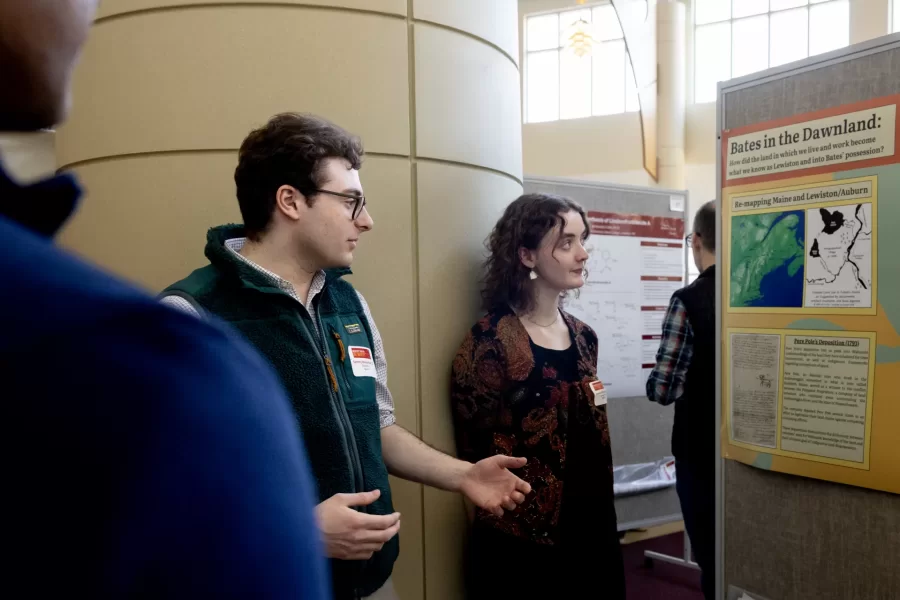
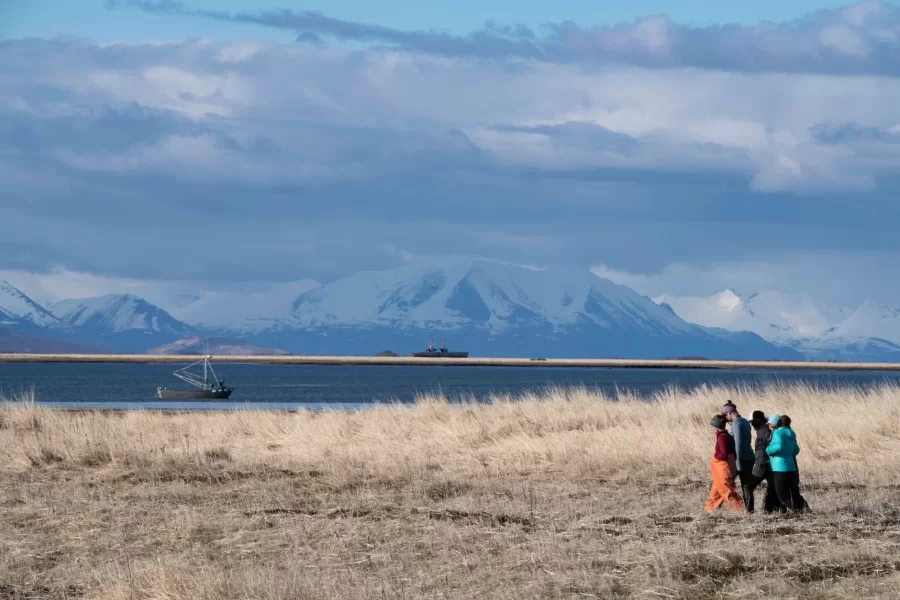
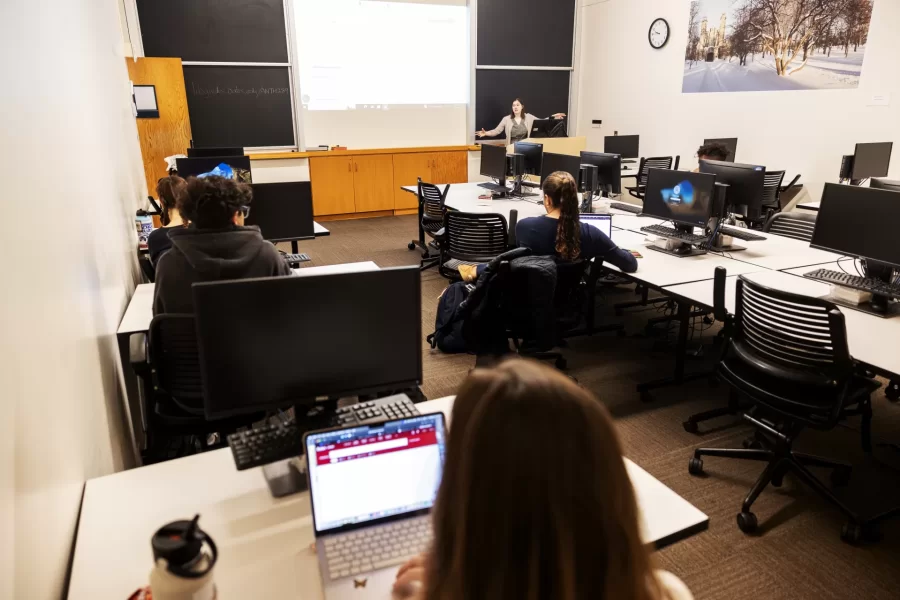
Our students choose to study anthropology because they are curious about humans and human behavior and seek answers to today’s most pressing social issues. Many engage in faculty-student research, while others may design their own learning trajectory to make the most of their anthropology education. With opportunities to study abroad and enroll in community-engaged courses, our anthropology program fosters students’ abilities to function effectively in new settings and to appreciate the value of cultural diversity.