Digital and Computational Studies at Bates
The Program in Digital and Computational Studies allows students to explore society’s relationship with digital technology.
With courses in artificial intelligence, machine learning, data science, and beyond, DCS is geared toward accessible knowledge that can be applied across multiple disciplines. All seniors majoring in DCS participate in a closely mentored capstone project, where they get the chance to work with a local partner to research, design, and build a solution for a real-world problem affecting people in their community.
Contact Us
Carrie Diaz Eaton (Chair)
Pettengill Hall
dcs-chair@bates.edu
What You Will Learn
To develop proficiency in fundamental aspects of algorithmic thinking, software development, and data science

How to use critical theory to identify ethical and social issues and structures of inequality in computing and digital spaces

How to engage in professional practices that encourage collaboration, transparency, and equitable access

How to build, design, analyze, and critique digital tools and algorithms

How to communicate complex ideas both orally and in writing, appropriate to the audience
To interrogate the assumptions of the digital world
Life After Bates
The digital and computational studies major is a strong foundation for a successful career across a wide variety of fields, including software development, AI engineering, and data analysis. The skills and knowledge gained from this degree are also transferrable to fields as far ranging as art and education to politics, government, and technology.
94%
of 2020-2024 Bates graduates are employed and/or attending graduate school — settled into their next opportunity within 6 months of graduation.
Selected Graduate Schools
- Brown University
- Northeastern University
- Tufts Medical School
- University of Colorado
- Yale University
Why Study Digital and Computational Studies at Bates?
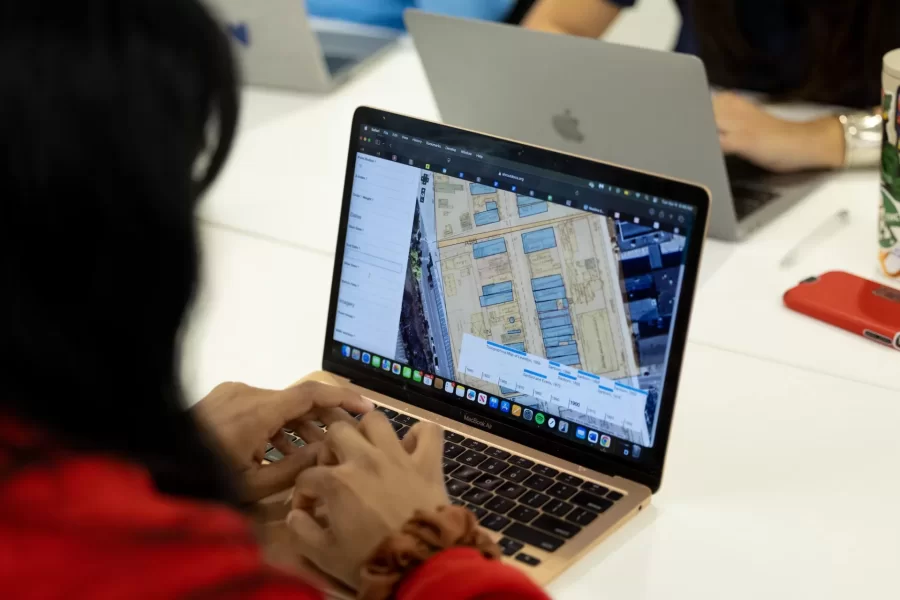
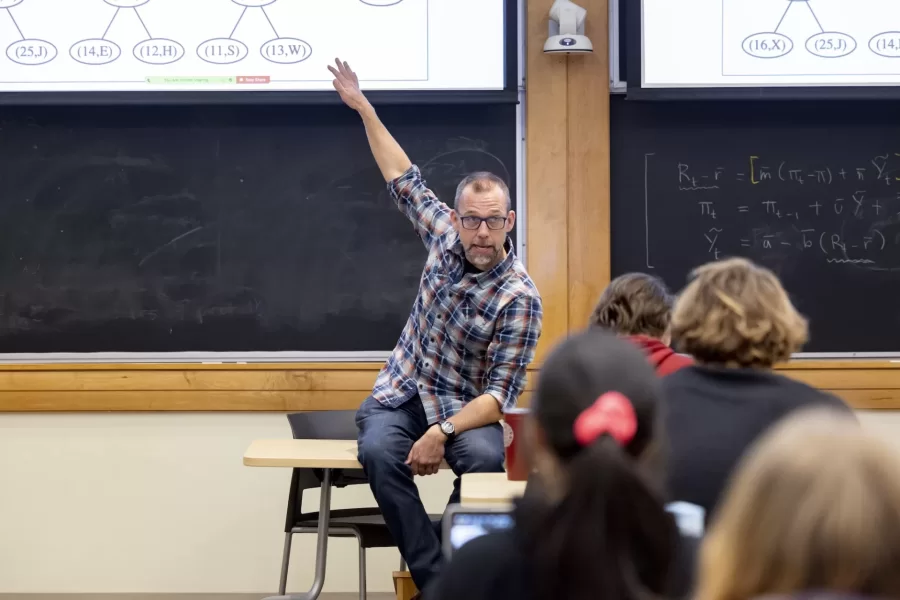
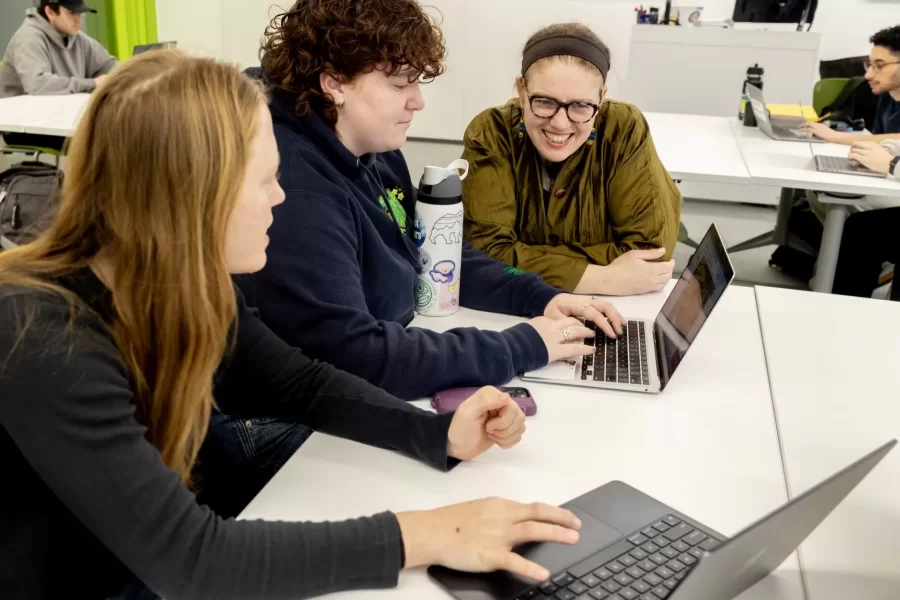
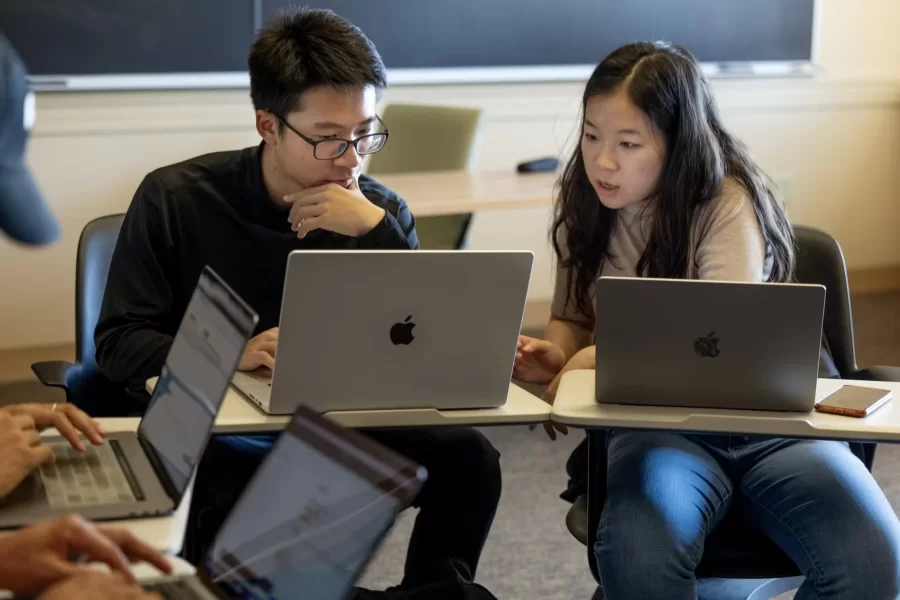
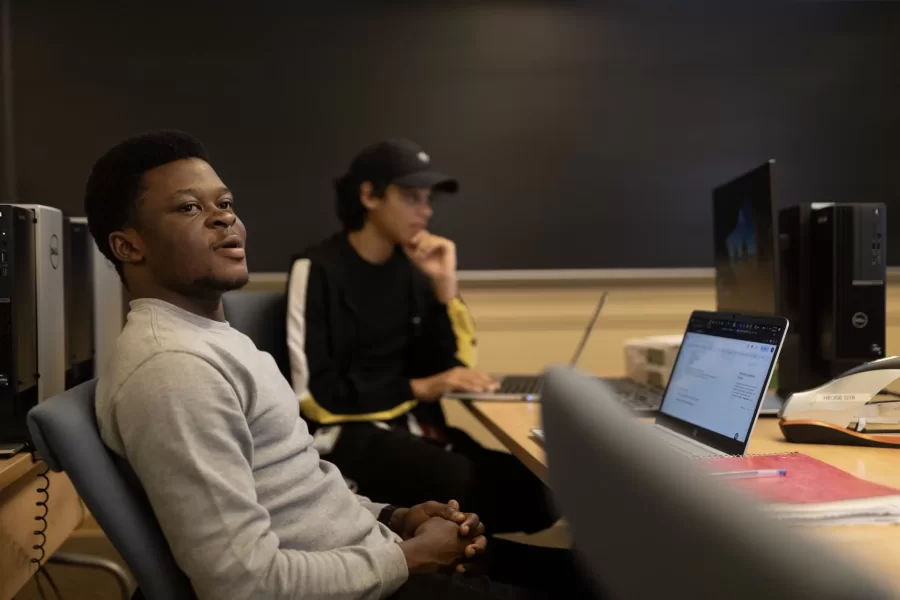
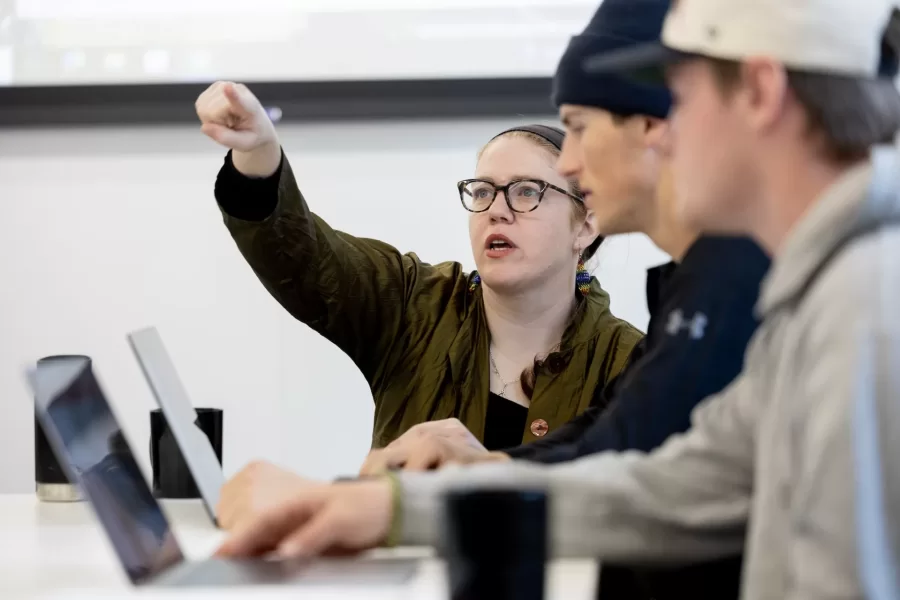
Digital and computational studies is a hands-on major that turns students into problem solvers, whether they’re working on using computers to solve human problems or breaking down complex tasks so that a computer can understand. Faculty advisors work closely with students throughout their study, and many faculty members offer employment opportunities for students to further develop their skills as teaching or research assistants.