Environmental Studies at Bates
The Program in Environmental Studies prepares students with knowledge, skills, and ethical sensibilities needed to engage a broad range of local-to-global human-environment relationships.
Environmental studies is rooted in creating a more just, livable, and compassionate world for human and more-than-human flourishing at a time of radical climatic and environmental change. Courses in the natural sciences, social sciences, and humanities explore the cultural, political, scientific, creative, and ethical aspects of environmental questions. A social justice approach arms students with the knowledge and skills required to address today’s urgent social-ecological issues.
Contact Us
Jeanne Beliveau, Academic Administrative Assistant
7 Andrews Road
Hedge Hall
Phone: 207-786-8204
jbelive2@bates.edu
What You Will Learn

To examine, analyze, and understand the diverse resources of the natural world

To consider the scientific, technical, political, historical, cultural, and justice-oriented aspects of environmental issues

To use qualitative analysis software to build skills in ethnographic methods and thematic coding

To build focused knowledge and familiarity with methodological tools

To explore how environmental issues impact diverse populations through community-engaged coursework in urban, rural, and coastal settings

To design and pilot teaching materials for high school and college level students
Life After Bates
Our alumni explore diverse career paths ranging from ecologists and environmental lawyers to policymakers and National Park Service rangers. Recent graduates currently work in positions that include energy and green building consulting and land conservation.
94%
of 2020-2024 Bates graduates are employed and/or attending graduate school — settled into their next opportunity within 6 months of graduation.
“Being an environmental studies student at Bates helped me to broaden my thinking about how I approach research in work and in general. … At Bates, I learned to defend my ideas among my peers, receive critical feedback, and adjust what I was doing, all of which were important for my master’s in chemical engineering. ”
— Lois St. Brice ‘07
Selected Places of Employment/Service
- U.S. Environmental Protection Agency
- Pine Gate Renewables
- Accenture
- Environmental Resources Management
- Ropes & Gray LLP
- FB Environmental Associates
- Triumvirate Environmental
- EBI Consulting
- Morningstar
- Alexandria Real Estate Equities Inc.
Selected Graduate Schools
- University of Oxford
- University of Copenhagen
- Yale University
- University of Pennsylvania
- Columbia University
- Cornell University
- University of Virginia School of Architecture
- Boston University
- Harvard University
- American University Washington College of Law


Why Study Environmental Studies at Bates?
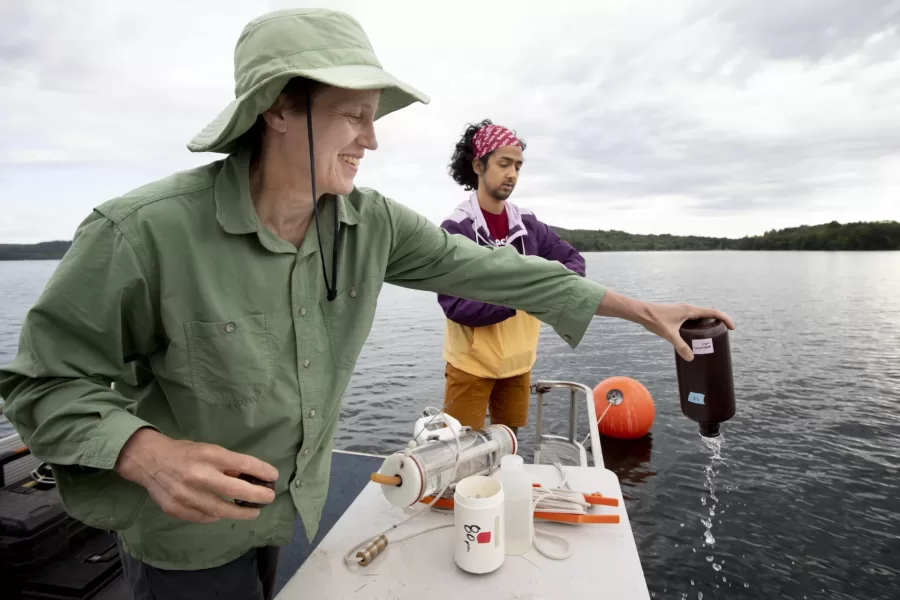
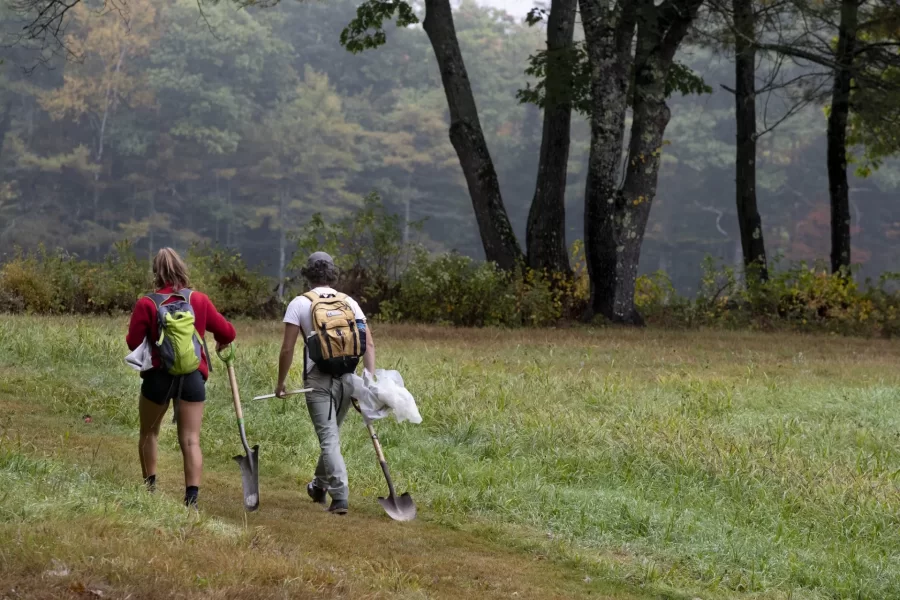
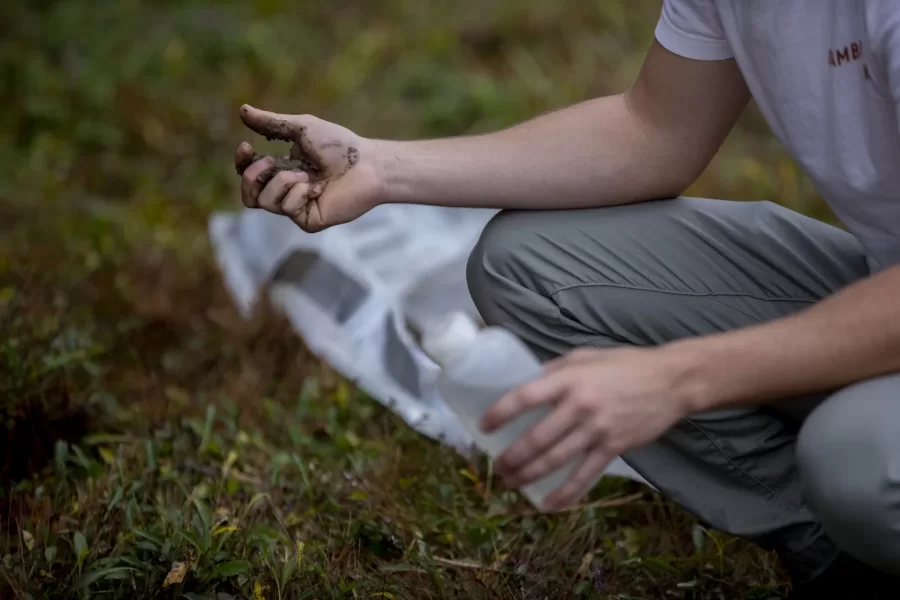
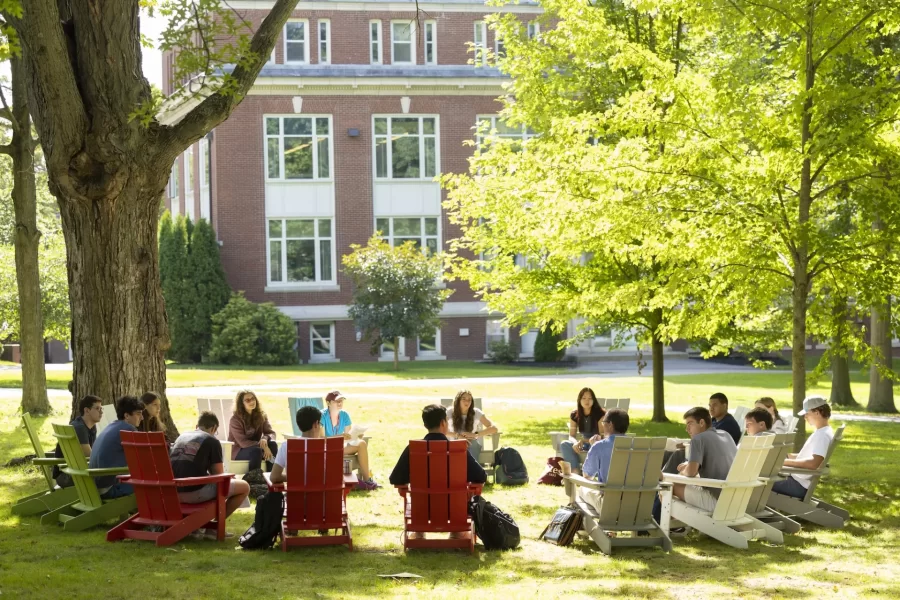
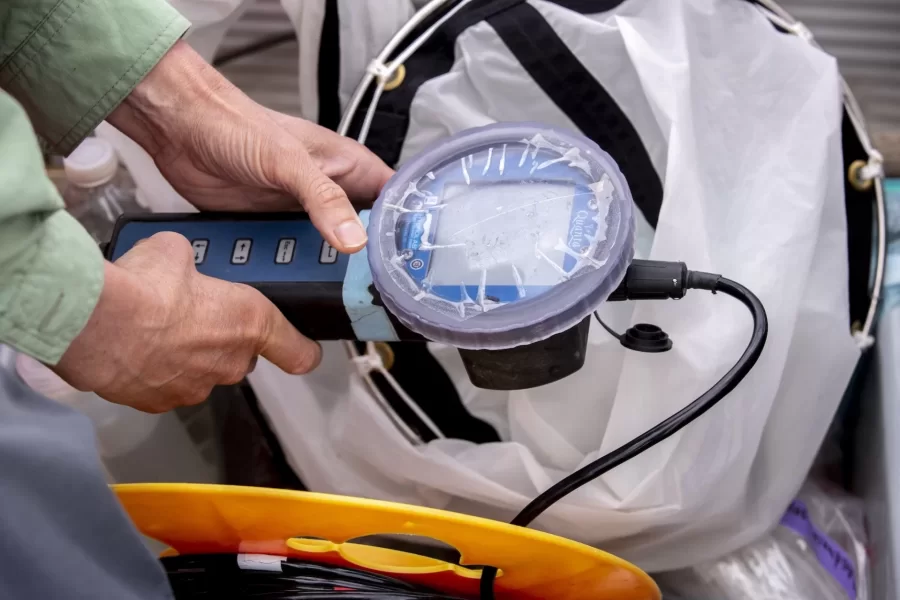
As an environmental studies major at Bates, you will have access to small class sizes often assembled outside the conventional classroom setting. Environmental studies students can explore Maine’s diverse natural world through the Bates College Shortridge Coastal Center and the 600-acre Bates-Morse Mountain open air classroom, as well as through community-engaged coursework. Faculty research programs offer students the opportunity to take part in research assistantships, and each year, our students present scholarly work at prominent symposiums and regional and national conferences.