Mathematics at Bates
With connections to many disciplines, mathematics is vital in understanding science, technology, and society.
The Department of Mathematics provides students with essential foundational math knowledge while allowing them to tailor their studies to their areas of interest. Entry-level courses in the department introduce students to basic concepts and hint at some of the power and beauty behind these fundamental results, while upper-level courses and the capstone experience provide students with the opportunity to explore mathematical topics in greater depth and sophistication.
Contact Us
Hannah Underwood, Academic Administrative Assistant
Hathorn Hall
Phone: (207) 786-6495
hunderwood@bates.edu
What You Will Learn

To develop a strong foundational understanding of core mathematical concepts in calculus and linear algebra

How to recognize the role of, and application for, mathematical skill across various fields

To explore advanced mathematical topics such as analysis, algebra, geometry, computational mathematics, and mathematical modeling

To develop independence in thinking, problem-solving, and the creative application of mathematical concepts

How to communicate mathematical topics to diverse audiences

How to analyze and critique mathematical arguments
Life After Bates
Recent math graduates have pursued a variety of careers: public health, software engineering, biostatistics, law, consulting, education, and sports statistics, to name a few. Whether working as data scientists at Spotify, biostatisticians on AIDS research, or principal engineers for acoustical engineering firms, graduates from the program have found a wide range of uses for their degrees.
94%
of 2020-2024 Bates graduates are employed and/or attending graduate school — settled into their next opportunity within 6 months of graduation.
“My mathematics major at Bates played a defining role in shaping my career as a teacher and tutor. It strengthened my ability to think critically, solve problems, and communicate complex ideas in clear, engaging ways. My thesis on engaging middle school students in math deepened my passion for education and continues to influence my approach. Today, I run my own tutoring business (mindzonthemove.com), working both independently and online, which gives me flexibility and freedom to support students in a way that aligns with my values. I’m especially grateful for the guidance of my advisor, who helped shape my path.”
— Lauren Berube ‘22
Selected Places of Employment/Service
- Microsoft
- J.P. Morgan
- Barclays
- Bank of America
- Brigham and Women’s Hospital
- Federal Reserve Bank of New York
- Wayfair
- Liberty Mutual Insurance
- Analysis Group
Selected Graduate Schools
- Broad Institute of MIT and Harvard
- University of Oxford
- Harvard University
- Yale University
- University of Pennsylvania
- Columbia University
- University of Chicago
- Northwestern University
- Brown University
- Stanford University








Why Study Mathematics at Bates?
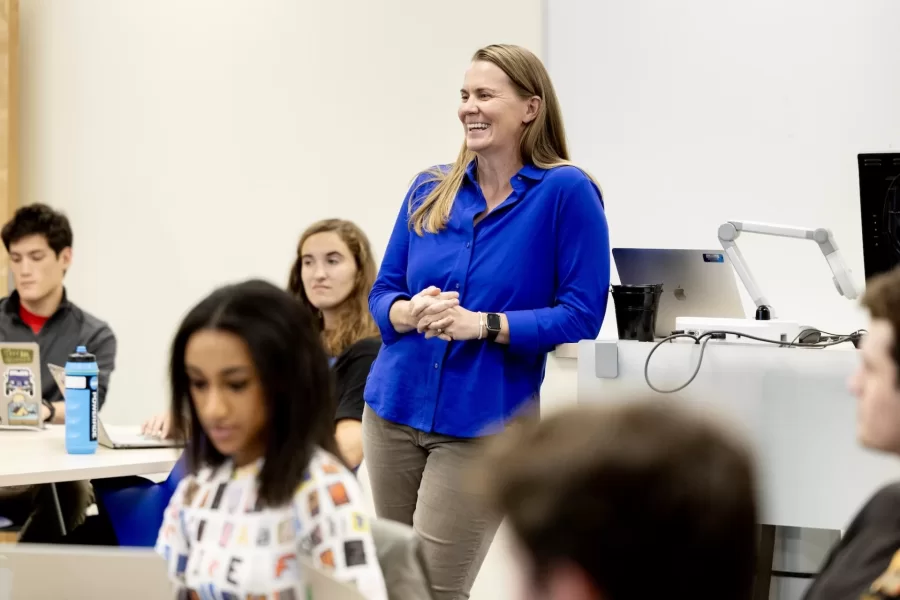
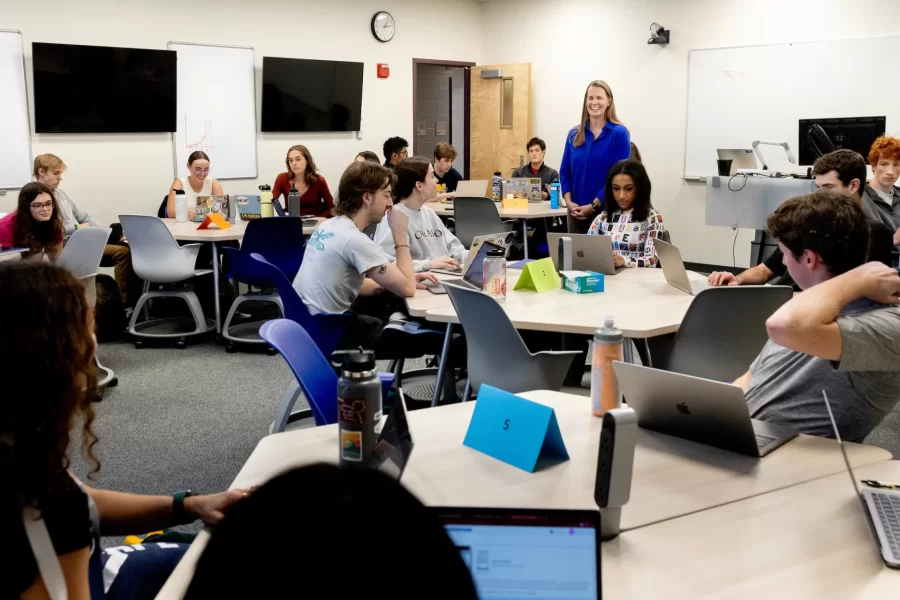
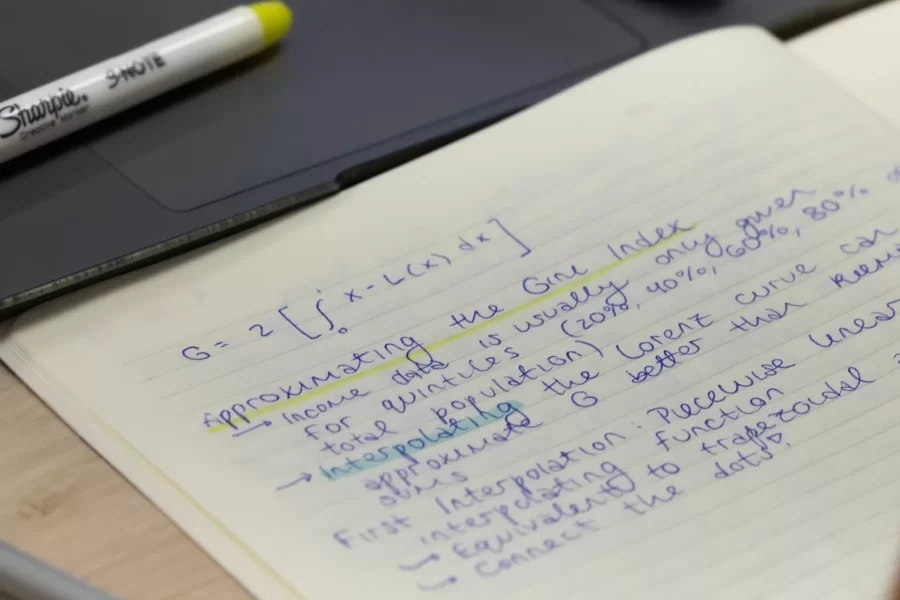
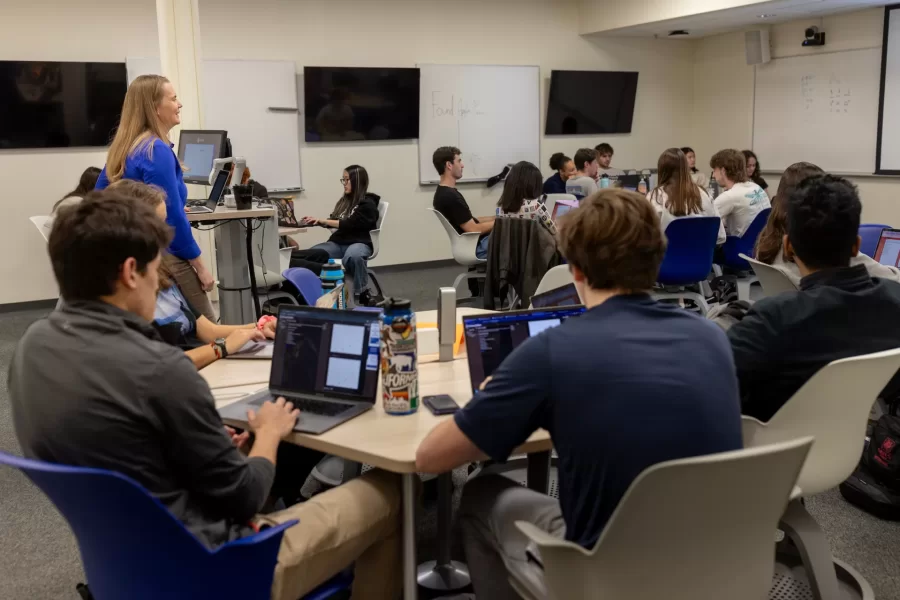
Mathematics is an integral part of a liberal arts education. Students can choose to focus on theoretical or applied mathematics courses, and mathematics majors at Bates often double major in a related field, such as economics, physics, or engineering. Students get the chance to engage in math beyond the classroom, whether through math competitions, community-engaged learning opportunities at local schools and nonprofits, or on-campus math seminars.