Physics and Astronomy at Bates
The Physics and Astronomy department focuses on the study of space, time, matter, and energy.
Introductory courses provide students with the fundamentals of the subject, an introduction to the logic and philosophy of science, and insight into the understanding and applications of contemporary physics and astrophysics. Advanced courses allow students to delve deeper into each topic, from quantum theory to thermal physics. Majors will conduct and complete an independent project through participation in the senior thesis.
Contact Us
Sylvia Deschaine
Academic Administrative Assistant and Carnegie Science Hall Coordinator
Phone: 207-786-6490
sdescha2@bates.edu
What You Will Learn

To appreciate the workings of the natural world through qualitative and quantitative description, analysis, and understanding

To build problem-solving skills and the capability for analytical thinking

How to appreciate the intuitive and creative elements of physics

To foster constructive skepticism in order to ask substantive questions about the natural world

The real-world role of physics as a foundational part of our technology-driven society

How to demonstrate knowledge through both oral and written communications to a diverse audience
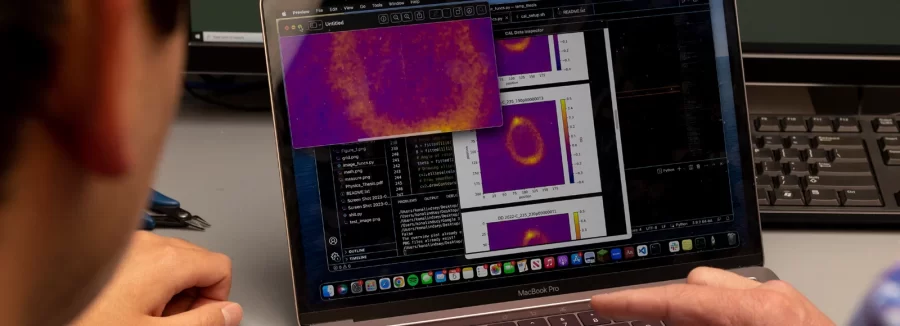
Life After Bates
Physics and Astronomy majors at Bates go on to successful careers across a wide range of fields, including science and technology, information technology, and financial services. In addition, graduates often pursue post-graduate studies at prestigious universities such as Princeton, Harvard, and Virginia Tech, exploring subjects as diverse as electrical engineering, geophysics, medical physics, and more.
94%
of 2020-2024 Bates graduates are employed and/or attending graduate school — settled into their next opportunity within 6 months of graduation.
Selected Places of Employment/Service
- MIT Lincoln Laboratory
- National Renewable Energy Laboratory
- Microsoft
- Northrop Grumman
- Bloomberg LP
- Applied Materials, Inc.
- Draper Labs
- Brookhaven National Laboratory
- Epic Systems
- Redwire Space
Selected Graduate Schools
- Princeton University
- Harvard University
- University of Oxford
- Columbia University
- Dartmouth College
- Cornell University
- University of Pennsylvania
- Brown University
- University of Michigan
- Washington University in St. Louis

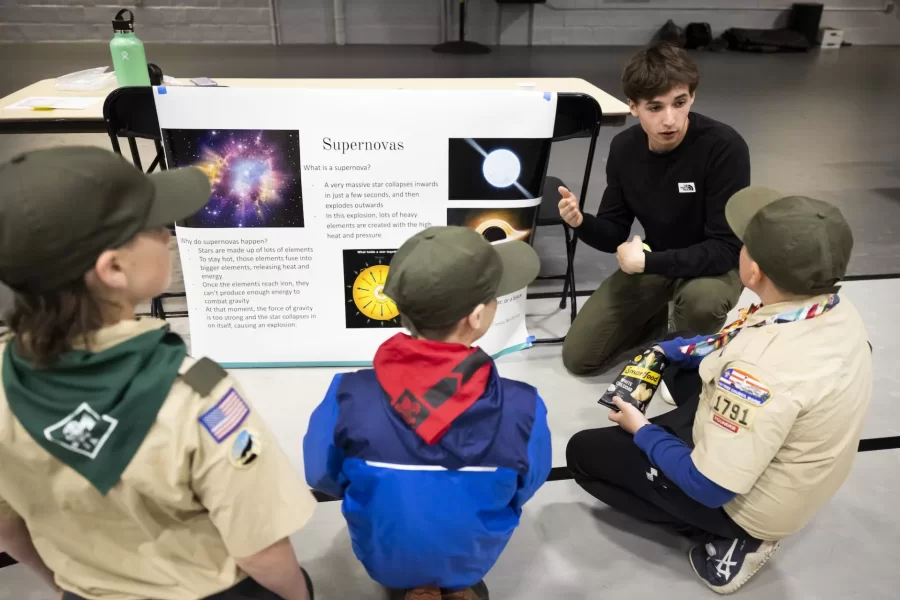
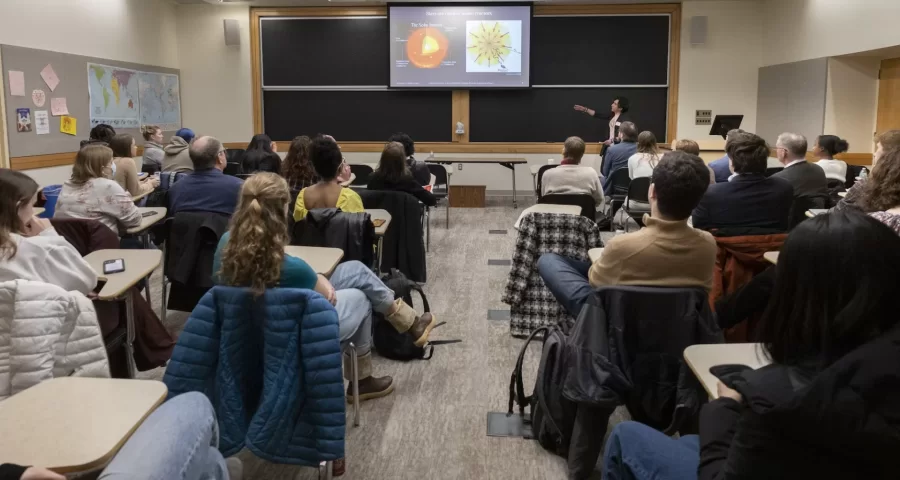
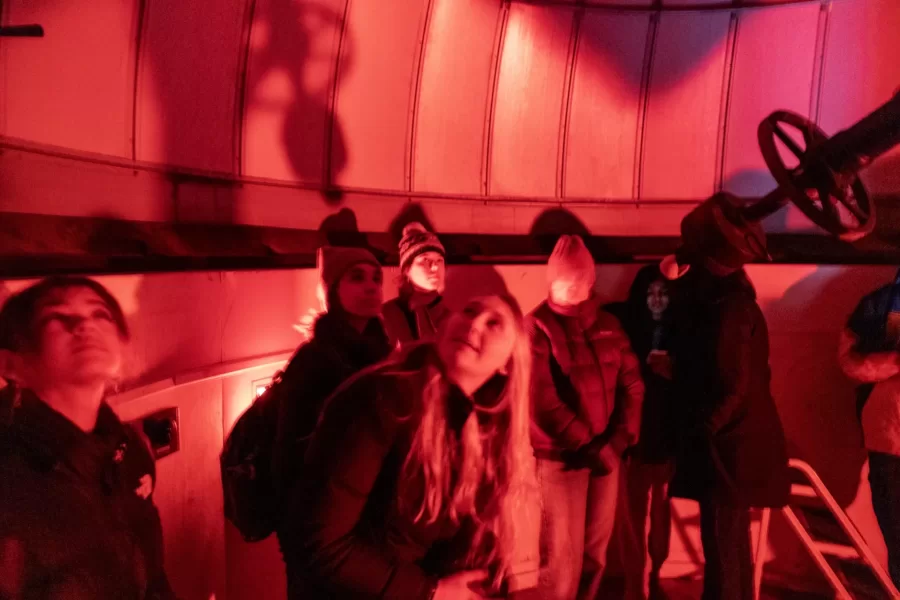
Why study Physics and Astronomy at Bates?
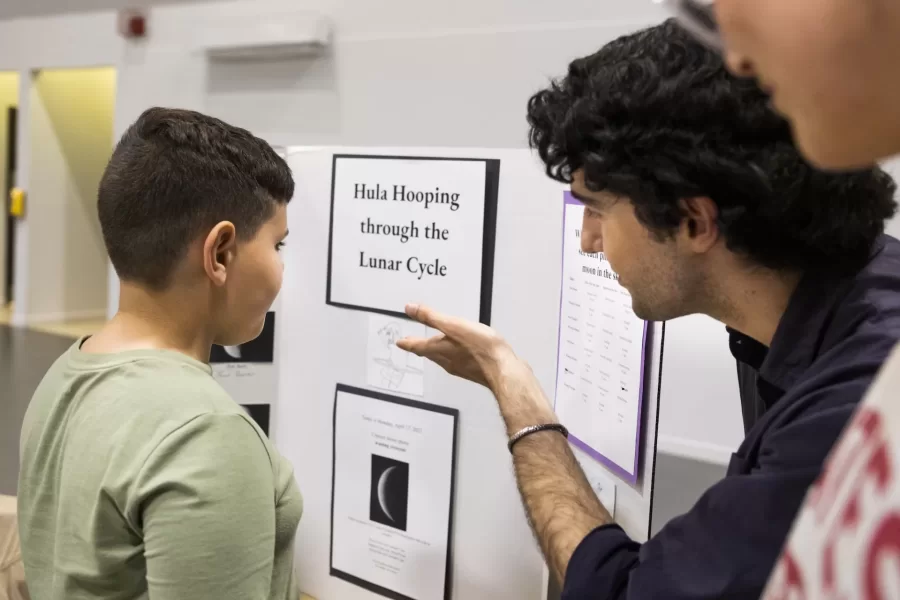
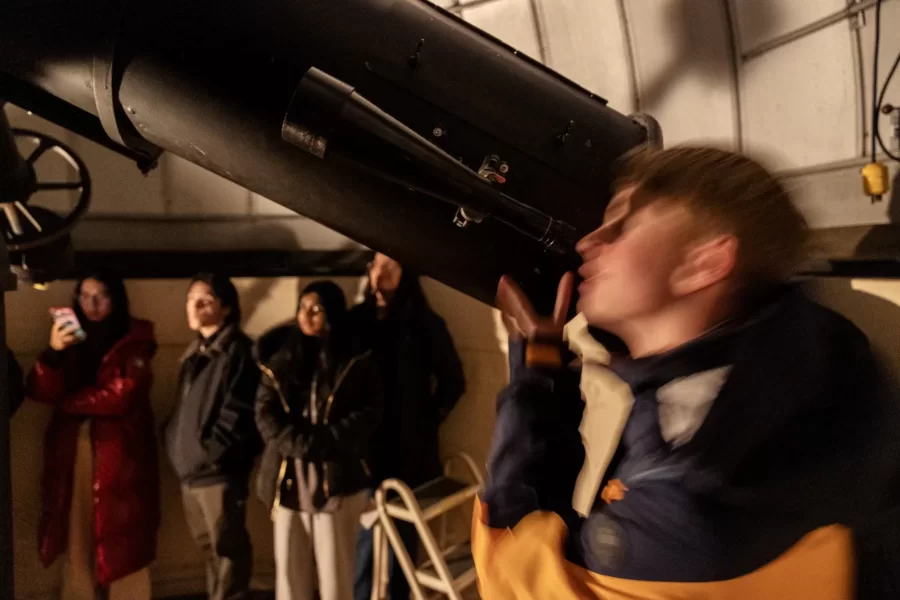
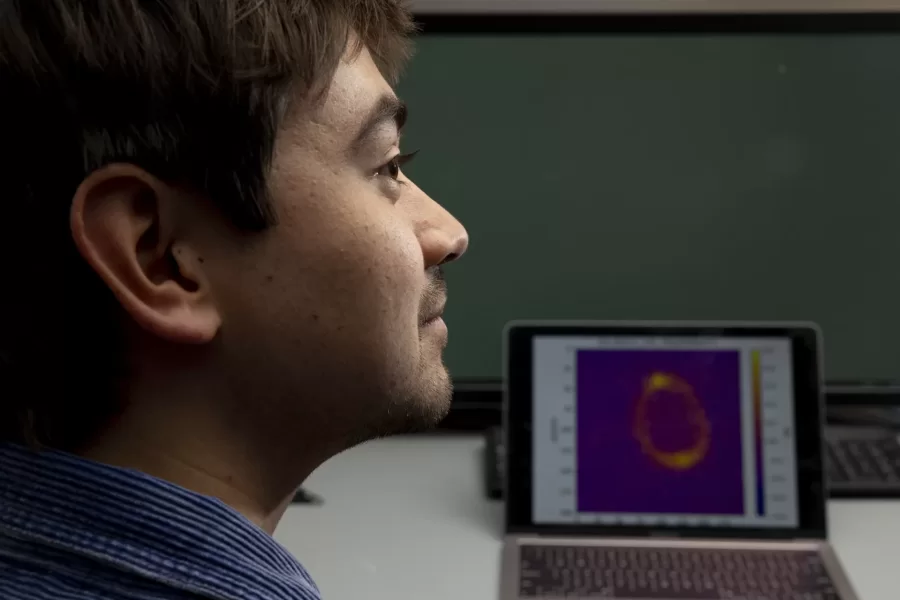
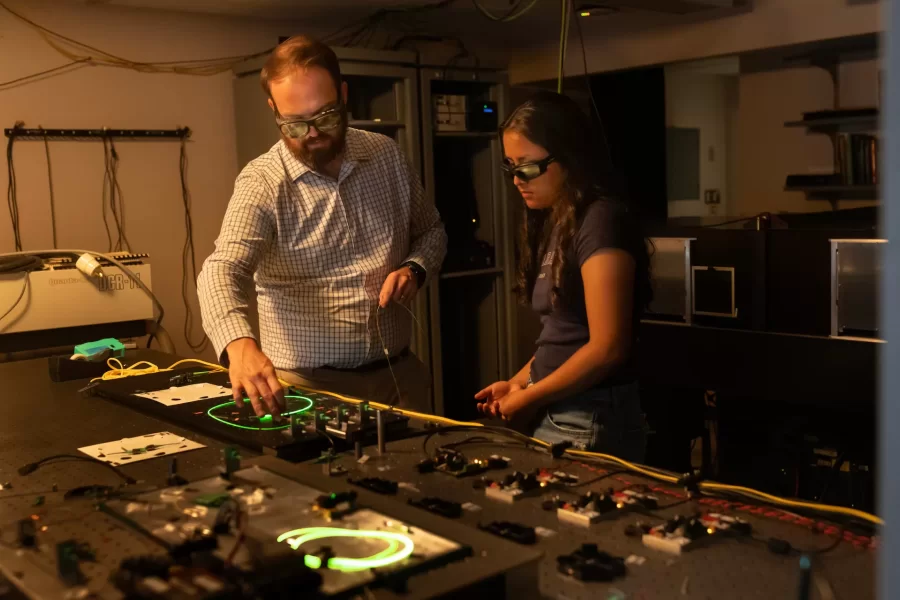
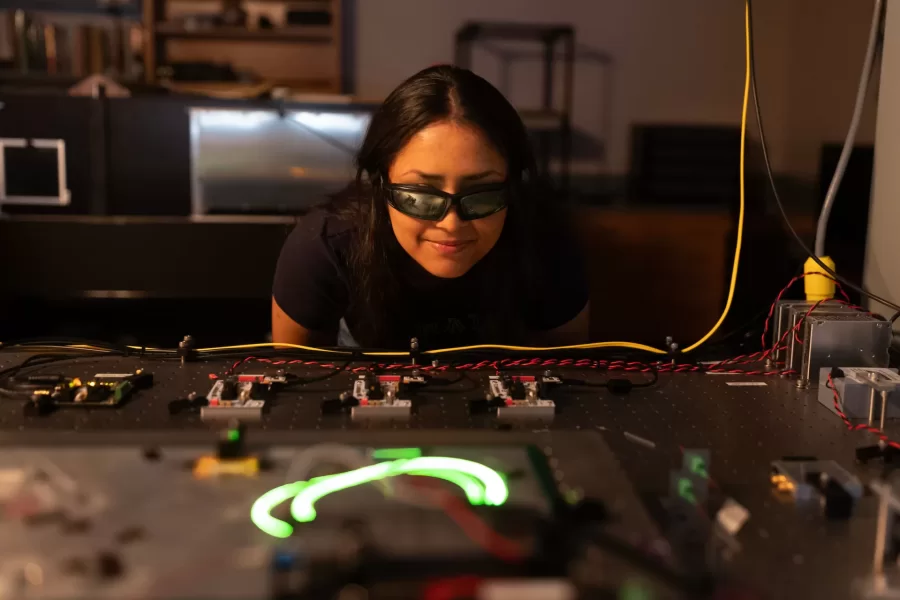
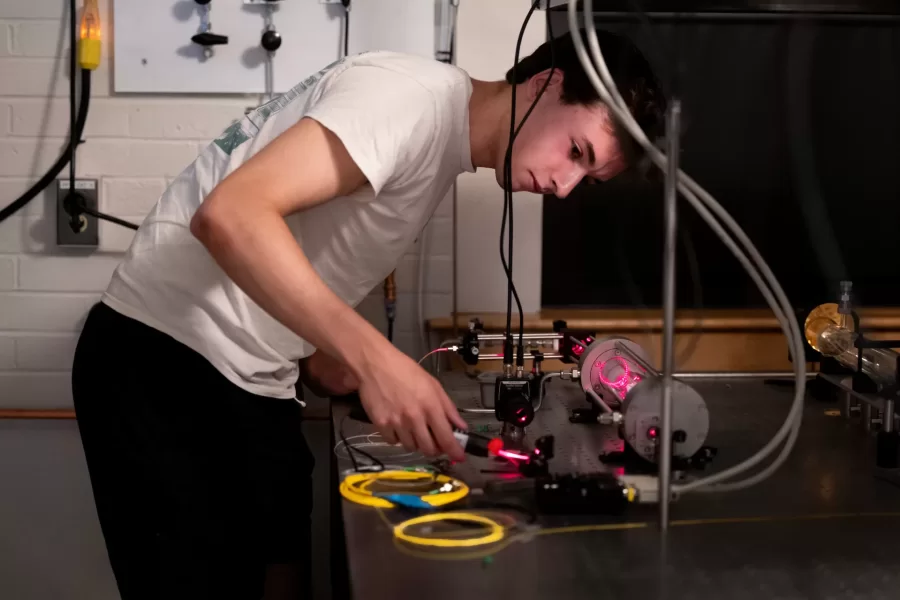
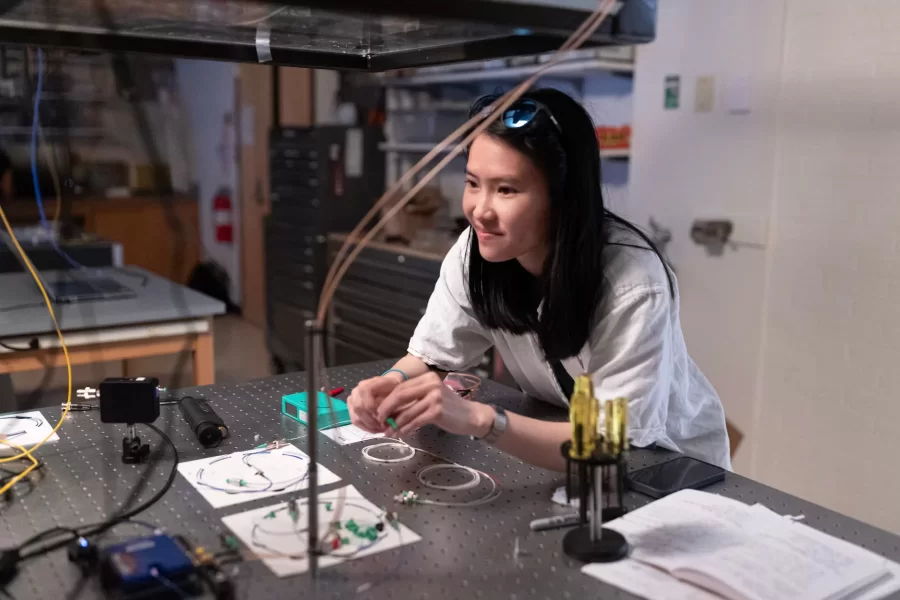
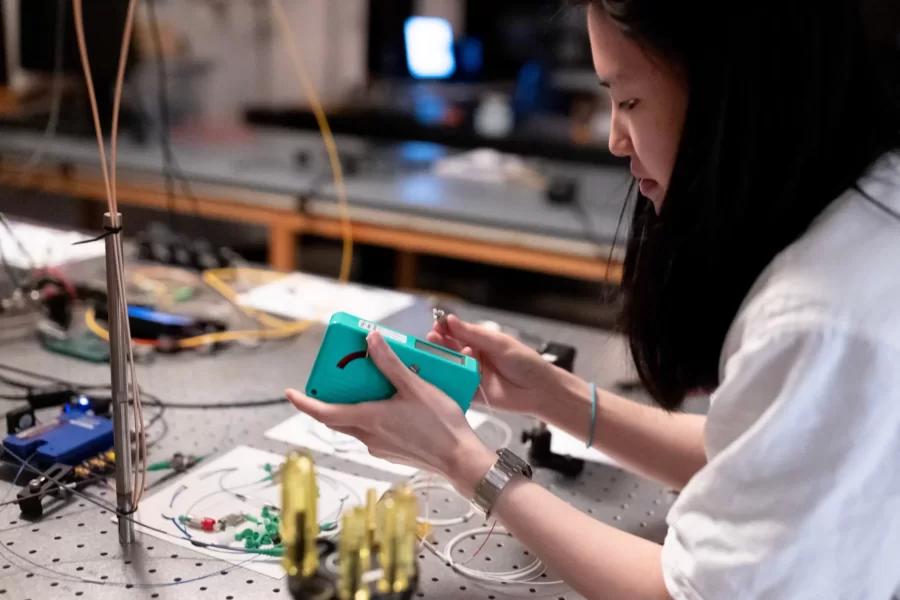
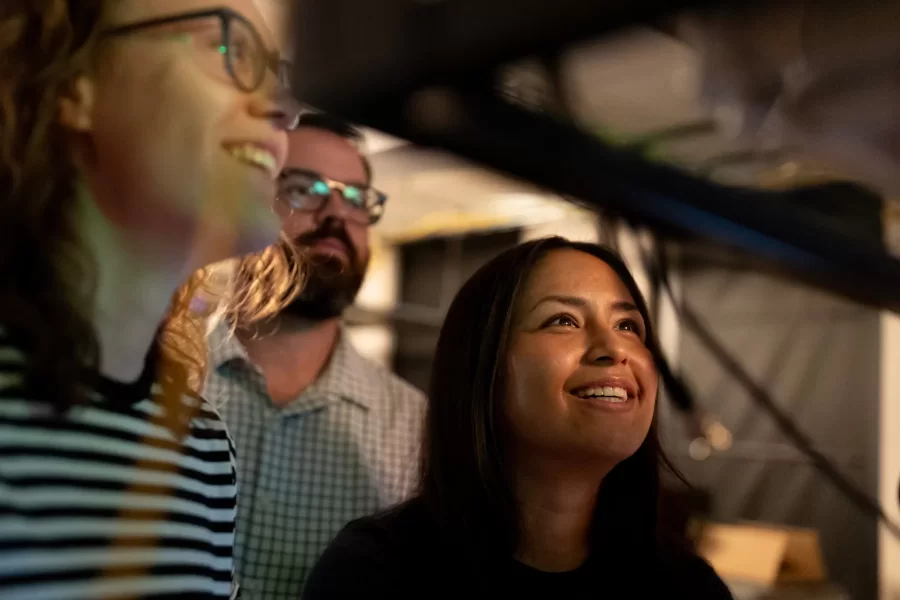
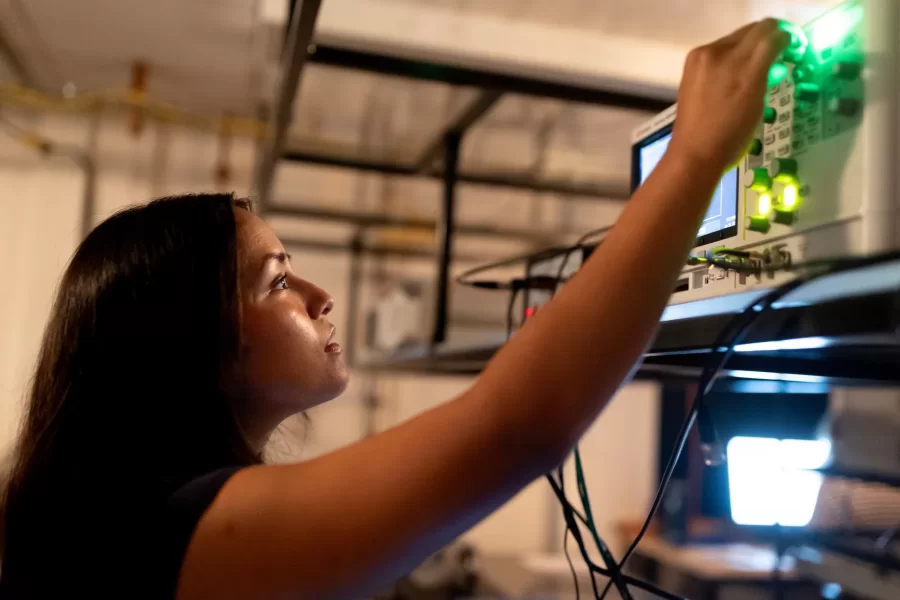
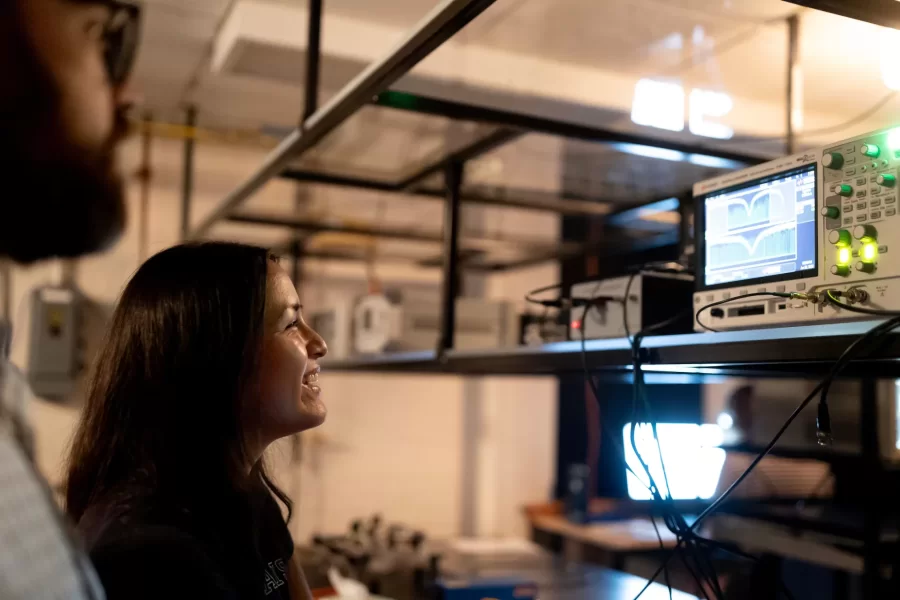
Physics and Astronomy at Bates is a hands-on major that allows students to directly investigate and influence science. Students take their scientific knowledge and curiosity out of the classroom and into the laboratory, where they’re able to directly contribute to scientific advancements hand-in-hand with their professors. In addition, the department regularly hosts visiting speakers and holds events for students, faculty, and staff, and the campus features both a machine shop and a 25-seat planetarium.