Politics at Bates
Politics is the study of the way in which power, authority, and values are defined, produced, and distributed.
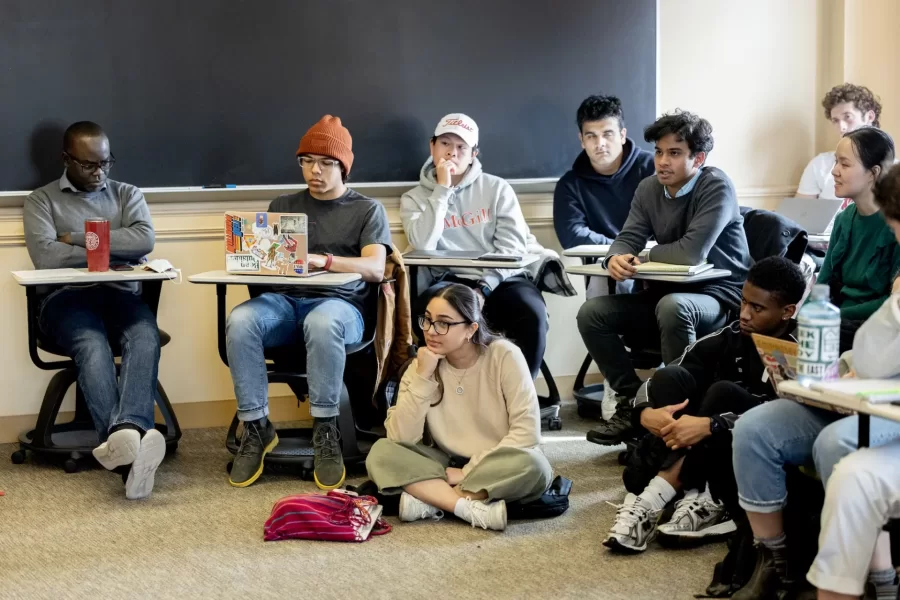
Courses within the department focus on analyzing political processes at individual, local, national, and international levels through studying topics as diverse as political institutions, social movements, conflict, war, and diplomacy. By using a range of research methods and employing various forms of evidence, both qualitative and quantitative, students develop new ways of viewing the power structures inherent to our society.
Contact Us
Pettengill Hall
Phone: 207-786-8368
eseeley@bates.edu
What You Will Learn

How to evaluate and interpret a broad range of evidence to assess competing claims

To develop written and oral arguments through the rigorous evaluation of ideas and evidence

How to exchange ideas both generously and critically

How to design and complete original research

To present ideas and arguments individually or as a group verbally, through writing, and with visuals

To uncover unstated assumptions behind how information is presented

Life After Bates
Graduates from the Politics department embark on careers in a wide range of fields, including government, economics, and medicine. Students also go on to continue their education by attending law school and through post-graduate degrees in a variety of topics.
94%
of 2020-2024 Bates graduates are employed and/or attending graduate school — settled into their next opportunity within 6 months of graduation.
“I majored in Politics and French with a concentration in Class, Inequity, Poverty, and Justice, and participated in the Bonner Leadership Program through the Harward Center. These academic and community‑based experiences shaped my commitment to education as a catalyst for expanding opportunity. As a teacher, I led a study abroad program to France for my high school students. I later transitioned into talent acquisition, focusing on recruiting educators for hard‑to‑fill roles in public schools. Today, I oversee educator pipeline programs and licensure compliance for DC Public Schools, serving over 50,000 students across 117 schools.”
— Nathalie Sharp ‘13
Selected Places of Employment/Service
- U.S. House of Representatives
- United States Senate
- U.S. Department of Justice
- Goldman Sachs
- Barclays
- Sullivan & Cromwell
- Ropes & Gray
- DCCC (Democratic Congressional Campaign Committee)
- National Institutes of Health
- Everytown for Gun Safety
Selected Graduate Schools
- Harvard University Kennedy School of Government
- University of Oxford
- The London School of Economics
- University of Pennsylvania Carey Law School
- Columbia University
- Georgetown University
- New York University
- King’s College London
- Boston College Law School
- Tufts University School of Medicine




Why study Politics at Bates?
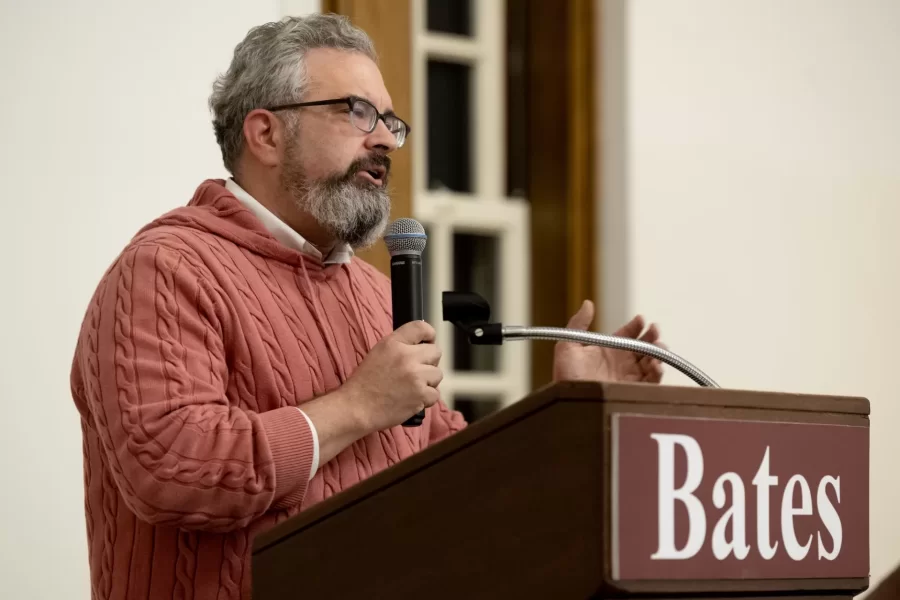
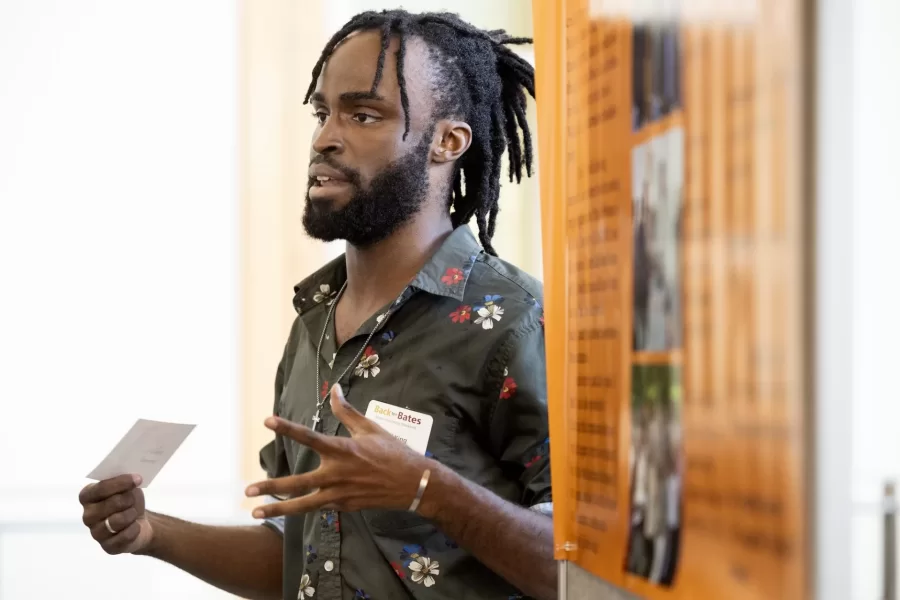
Studying Politics at Bates means engaging with an interdisciplinary approach and a variety of cultural perspectives through courses that include Latinx Politics, Feminist Political Thought, and Technology and International Conflict. The major stresses the importance of learning about a diversity of political experiences, giving students a well-rounded and international view on the subject matter. Students are encouraged to study abroad to gain new perspectives on their studies at Bates, and graduates leave with a fresh understanding of the world we live in.