October 8, 2026
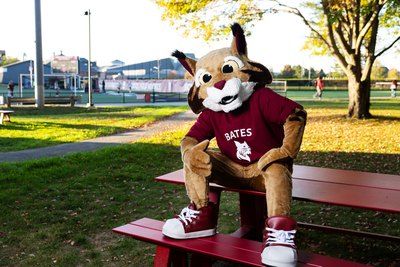
There’s a new (Bob)cat in town!
After a year-long effort to redesign the Bobcat mascot, the new Bobcat is out and about on campus. The mascot debuted on Sept. 26 at the home football season opener.
Religious studies is a discipline that explores the spiritual and religious practices of individuals and cultures around the world.
The Department of Religious Studies offers powerful opportunities for developing a student’s ability to analyze, communicate, collaborate, and continue to learn over the course of a lifetime. Students work closely with faculty to design their program of study, and all students in the major take classes across introductory, intermediate, and advanced levels, providing them with a wide breadth of knowledge on the topic.
Jeanne Beliveau, Academic Administrative Assistant
7 Andrews Road
Hedge Hall
Phone: 207-786-8204
jbelive2@bates.edu






Students leave the religious studies department with a deep cultural understanding and analytical skills that help them excel in a variety of fields, including medicine, law, business, the arts, teaching, social work, nonprofit administration, and beyond. Recent graduates have gone on to successful careers as research fellows, financial managers, and more.
of 2020-2024 Bates graduates are employed and/or attending graduate school — settled into their next opportunity within 6 months of graduation.
“Religious studies taught me that … you can have faith and question it at the same time. The community engagement projects I worked on as part of my courses were so meaningful that I knew I had to have a service component to my work post-Bates.”
— Phoebe Uricchio ’10
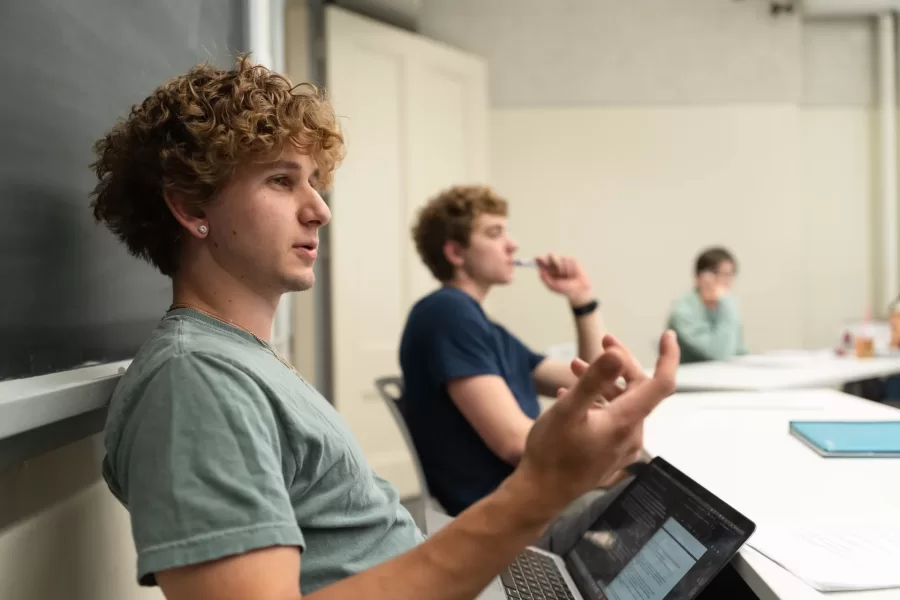
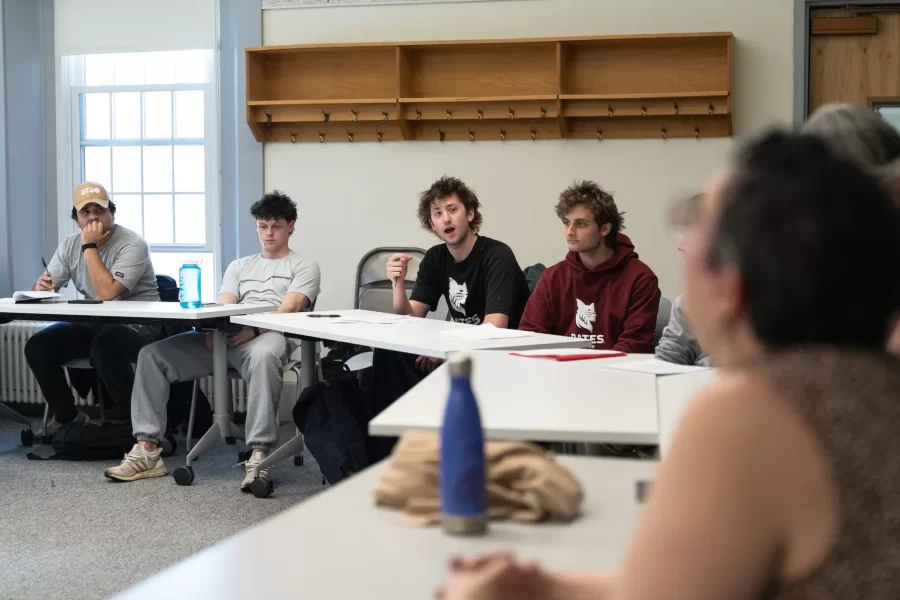
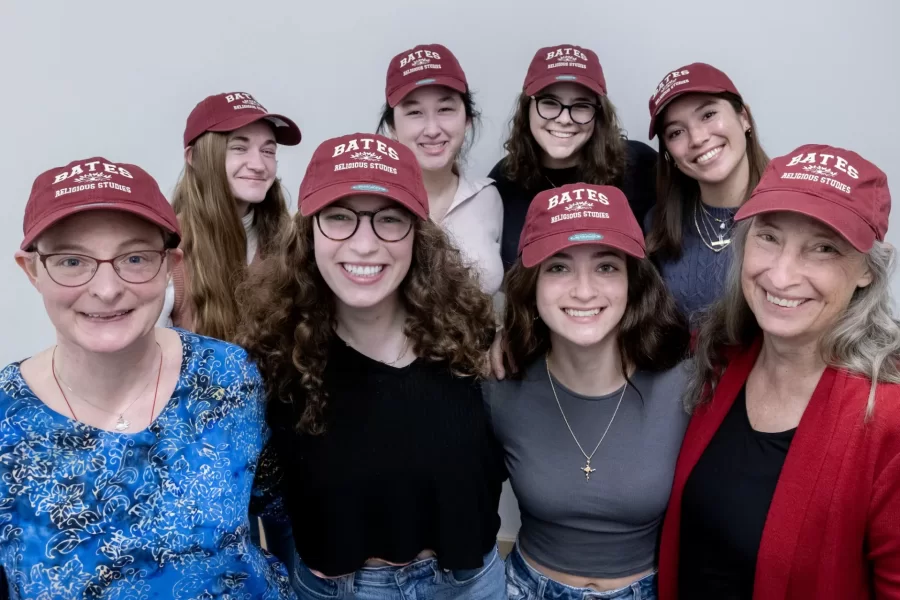

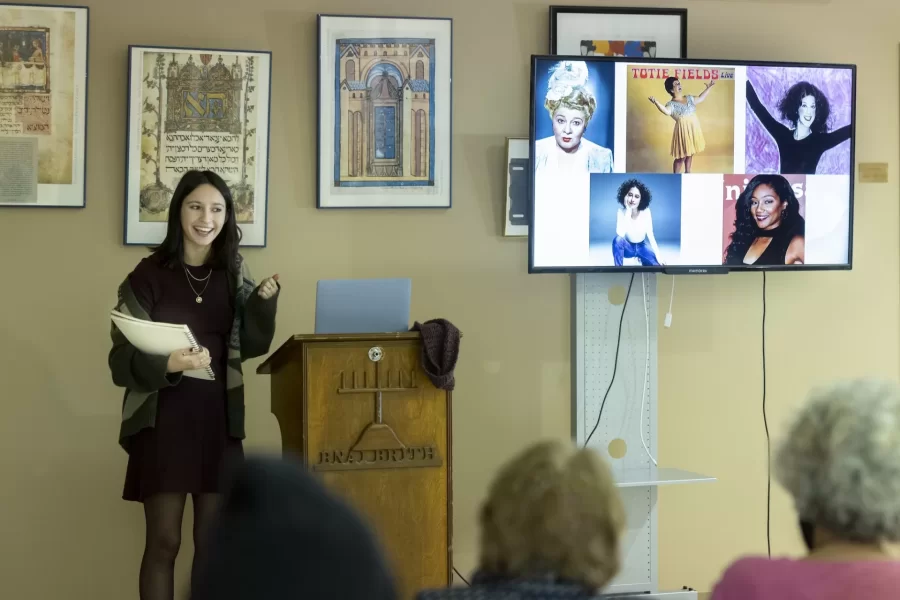
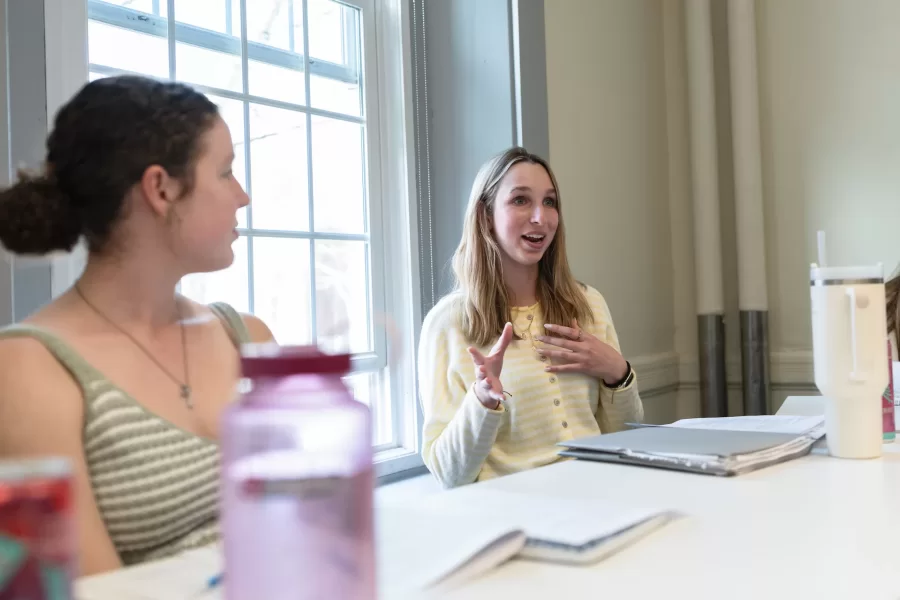
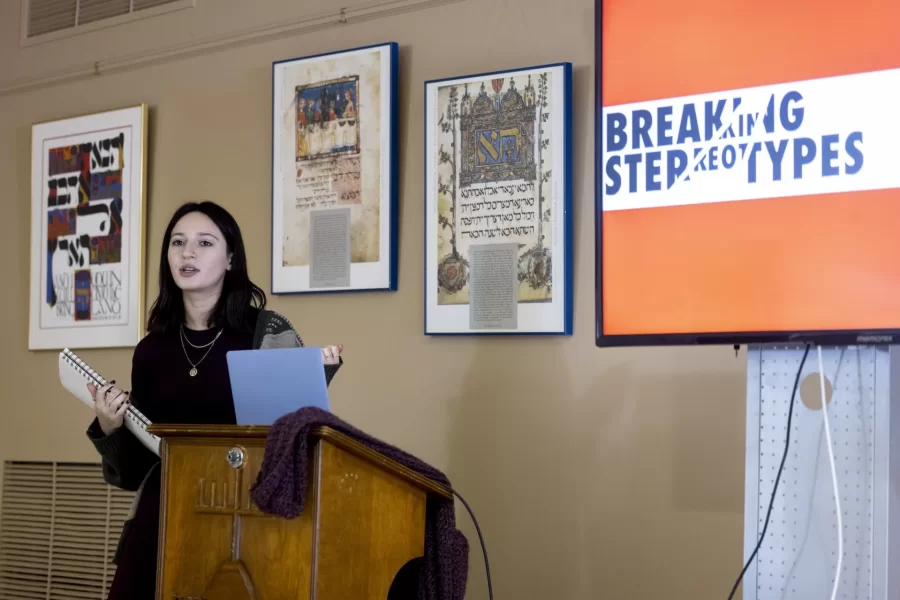

Religion is everywhere, from cosmic life-and-death questions to the halls of power, and our program gives students the opportunity to examine religion and spirituality from every angle. We cross-list with a greater variety of departments and programs than any other department at Bates, allowing students to intersect with multiple fields, including the humanities, social sciences, neuroscience, and art, providing them with a truly integrated liberal arts experience. Study abroad is strongly encouraged, giving students a fresh, hands-on look at how religious and spiritual practices function in other countries.
My time at Bates really fueled my passion for social justice. My original plan was to major in Psychology, but I took a religion course in my sophomore year and decided to major in religion. My religion courses taught me to think broadly and critically, and further developed my writing and research skills. I use these skills daily in my work at the Massachusetts Trial Court, where I develop grant proposals for initiatives that prioritize equitable access to justice.
Marisa (Razey) Turillo ‘00
The faculty, made up of scholars, thinkers, and writers with expertise across a diverse group of topics, works on an individual level with students to shape a program of study geared toward their interests and passions. Professors include experts in Qur’an and early Islamic history, nationalism in the formative periods of Judaism and Christianity, and the history of Tibetan and Chinese Buddhism.
After a year-long effort to redesign the Bobcat mascot, the new Bobcat is out and about on campus. The mascot debuted on Sept. 26 at the home football season opener.

This news roundup includes alumni achievements from the Class of 1977 to 2026; faculty recognition, publication, and appearances; and coverage of President Garry W. Jenkins’ participation in the annual Presidents’ Dinner for media.
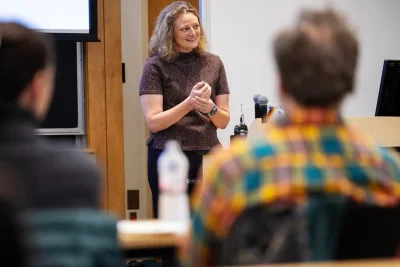
Associate Professor of English Jess Anthony ’96 gave a lecture for her Kroepsch Award for Excellence in Teaching on Sept. 30. She discussed and read from her most recent novel, The Most.