The Department of Rhetoric, Film, and Screen Studies takes an interdisciplinary approach to the study of human communication focusing on the intersectional nature of meaning and knowledge.
Our courses examine how texts and screen texts — film, television, and the virtual world — transmit messages and look at the historical, sociocultural, and economic forces that shape their circulation and interpretation, taking into account race, ethnicity, gender, class, and more.
Contact Us
Nicole Emery, Academic Administrative Assistant
305 College Street
Pettigrew Hall Phone: 207-786-8392
rfss@bates.edu
What You Will Learn
How to articulate the role of language and visual media in creating, negotiating, and maintaining power and privilege
To apply your critical thinking skills through the analysis and creation of arguments
The art of identifying and describing different theoretical approaches to discourse
How to communicate clearly, assessing how to speak to different groups based on situation, topic, and audience
To create critical discourse through the synthesis of creative thinking, research, and analysis
How to navigate the ways power and privilege are challenged and reinforced by media, form, and message
Life After Bates
Our major prepares students to work in a wide range of fields, including politics, broadcast journalism, education, advocacy and activism, video game design, film and television, and more. Recent graduates include digital content managers, production assistants, film producers, and morning show news anchors, and many students go on to achieve post-graduate degrees across many different topics.
94%
of 2020-2024 Bates graduates are employed and/or attending graduate school — settled into their next opportunity within 6 months of graduation.
“The rhetoric department at Bates gave me my adult professional life. Full stop. I walked in with no plan and walked out with the components for a career I didn’t even know existed yet. My professors taught me that persuasion, argument, and rhetoric (the real kind, not the pejorative cable shout-y kind) were ways of genuinely engaging with other humans and their points of view. That you could build an actual life being creative. The documentary classes, my thesis, and my film independent study, the debate team, all of it. These people handed me everything I needed. Advertising, entertainment marketing, branding, every campaign and creative brief I’ve touched in thirty-plus years traces back to that department.”
— Christopher Donovan ’92
Selected Places of Employment/Service
Vox Media
Kraft Sports + Entertainment
Toast
Santander Bank N.A.
New Balance
Fulbright Fellowship
Boston Medical Center
Eugene O’Neill Theater Center
FiscalNote
Embassy of Nepal
Selected Graduate Schools
London School of Economics
Yale School of Medicine
New York University
University of Chicago
Boston College
Suffolk University Law School
Tufts University
Columbia University
Miami Ad School
Rutgers University
Yesterday, two presidential campaigns designed by Bates students faced a scandal, and each team had 90 short minutes in which to respond.
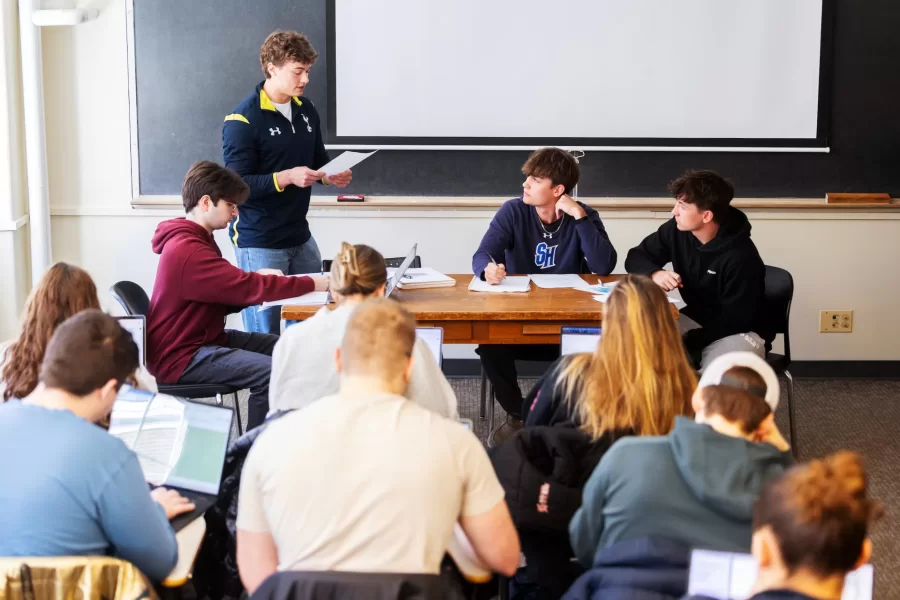
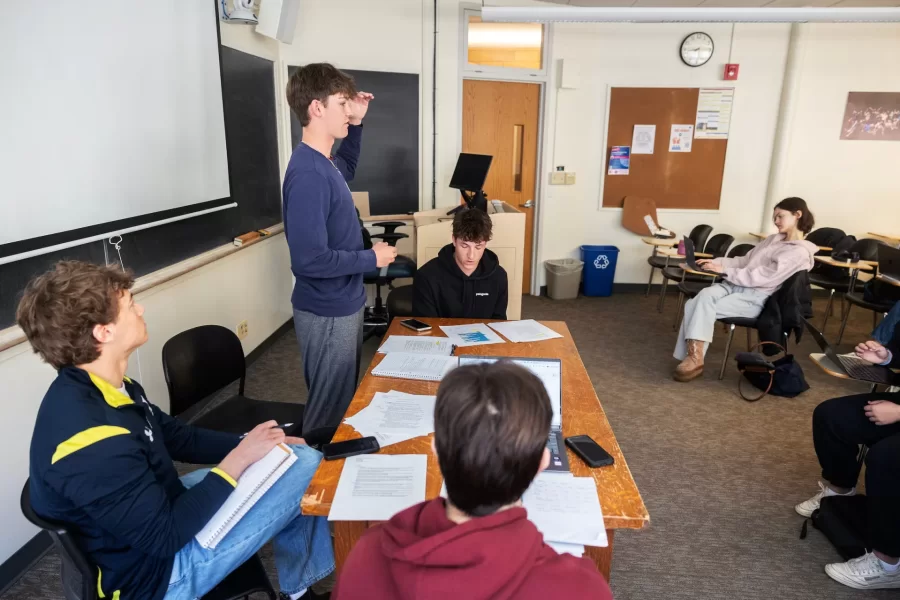
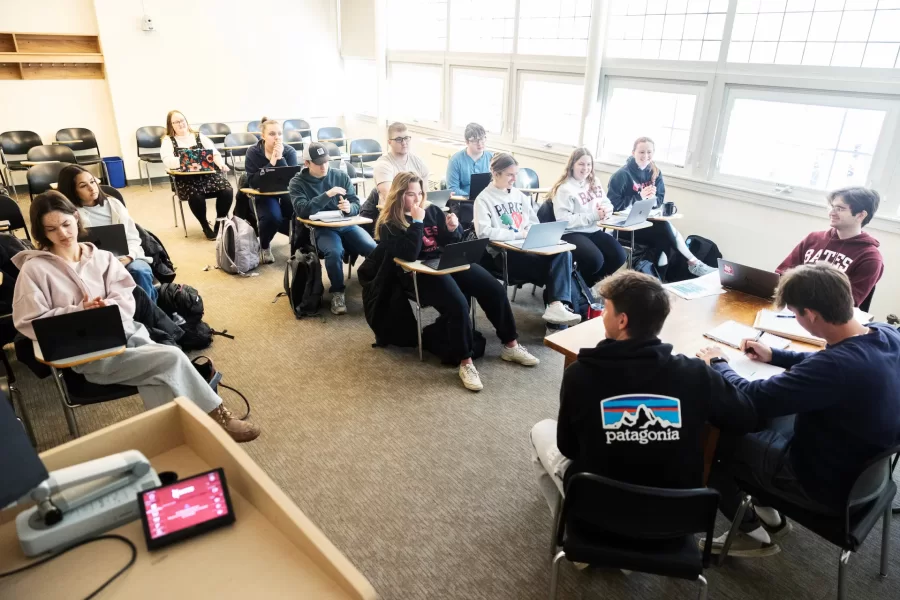
A blessedly mock campaign, it’s a component of “Presidential Campaign Rhetoric,” which Professor of Rhetoric, Film, and Screen Studies Stephanie Kelley-Romano has taught every couple of years since the early 2000s.
This year, Kelley-Romano asked each campaign to prepare two responses. “One where they have to address (minimize and justify) what went on and a second where they can totally deny it. At the end of the class period I will have another story for each campaign that shows the accusations were false and they are absolutely vindicated (these stories can then run in our fake newspaper without the danger of damaging the candidate images or campaigns). During the class there will also be other information that “breaks” that they will have to respond to
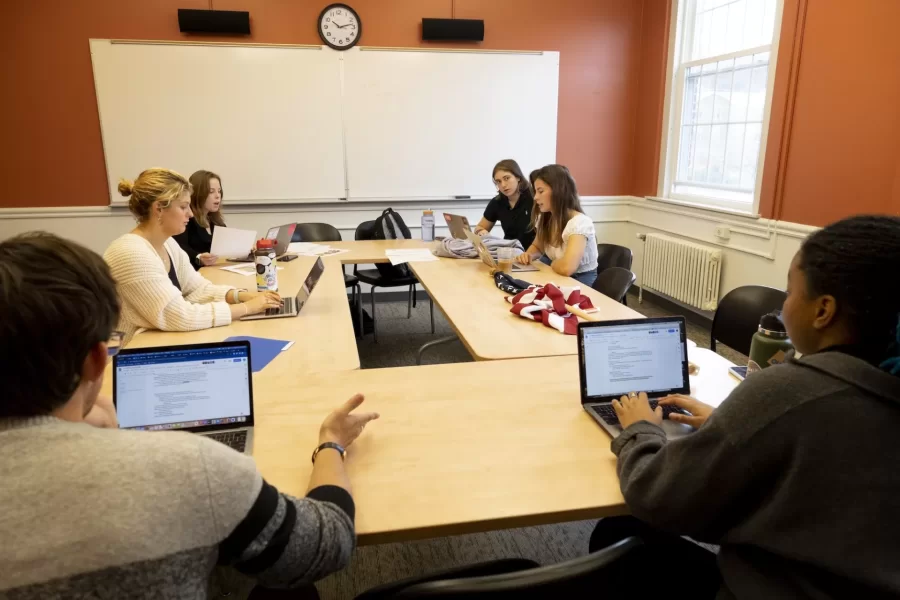
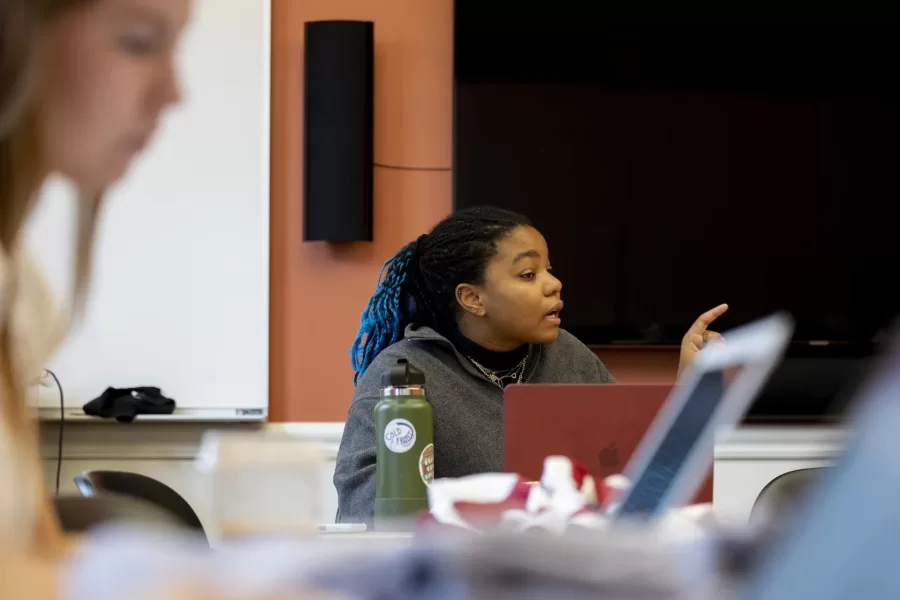
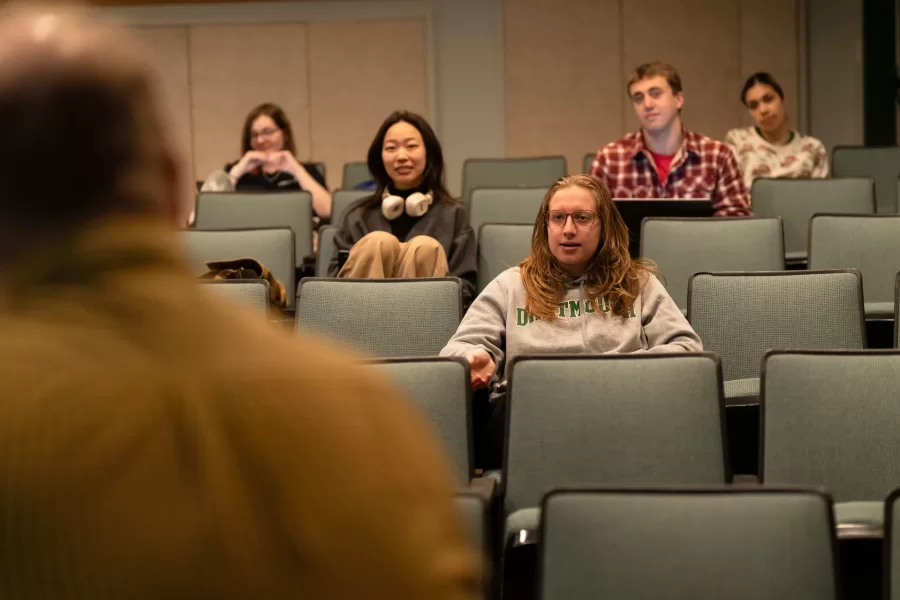
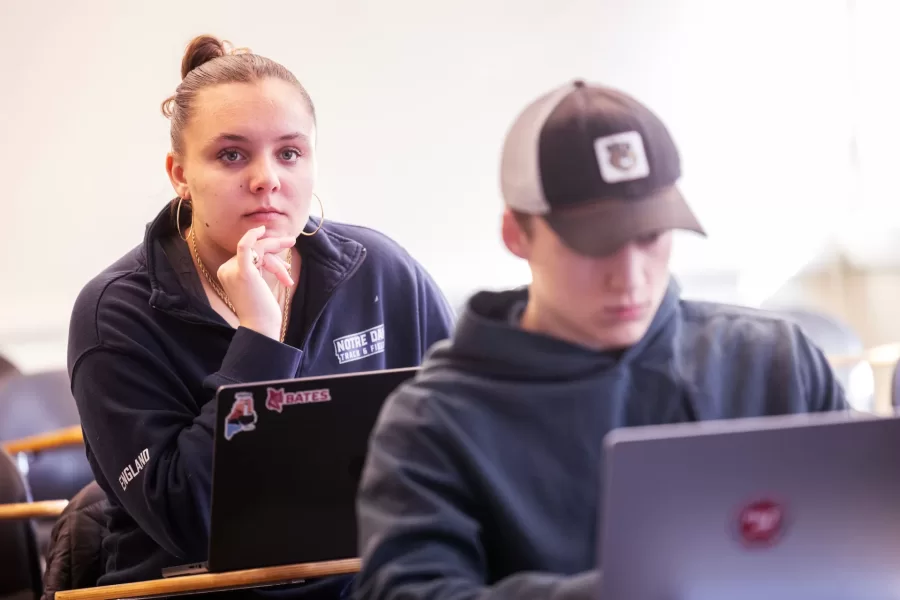
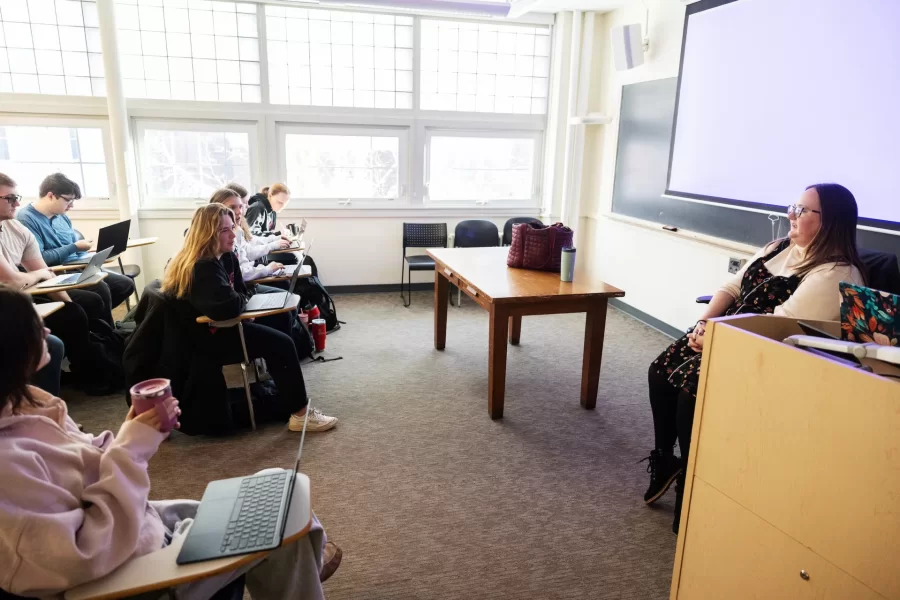
The course is a senior seminar, and part of its coursework is traditional. Students do readings and have discussions, getting a handle on the many rhetorical devices that presidential campaigns deploy in speeches, ads, debates, and social media, as well how the news media interprets all this political discourse.
Simultaneously, the students get to practice and hone their rhetorical skills during the mock campaign. Everyone in the class has a role, from doing social media and speechwriting to playing family members and news reporters.
For the first time, this year’s two campaigns will not be affiliated with either of the two major U.S. parties (nor with any other party, whether Greens, Libertarians, or even Whigs).
Getting rid of the labels, Kelley-Romano hopes, will make “voters,” the nearly 600 students who are in various courses that intersect with the campaign, “think twice about what they’re hearing.” While an overall goal of the mock campaign is to increase the quality of public discourse, it’s up to each campaign to “balance responsible discour
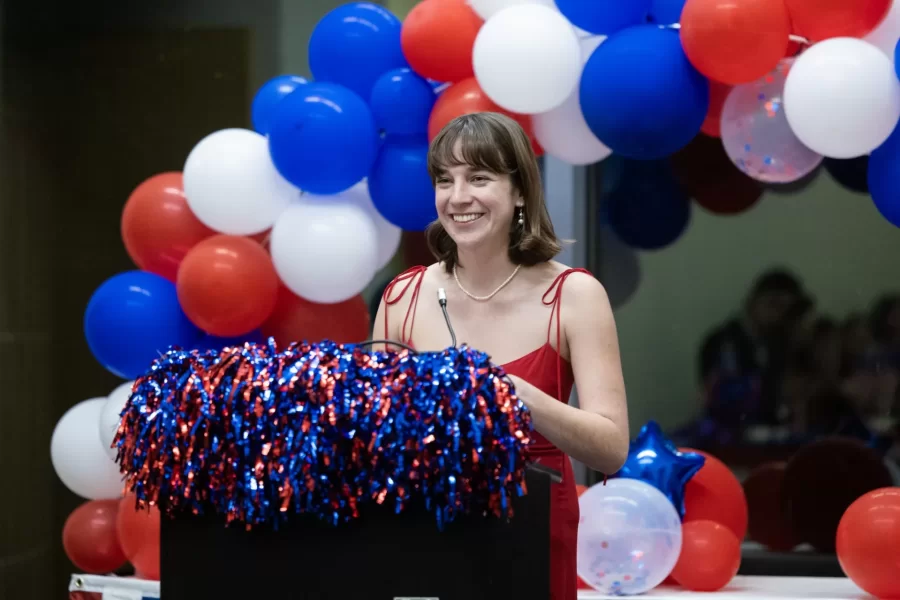
This year’s Presidential Campaign Rhetoric class had a ball—an inaugural ball, that is.
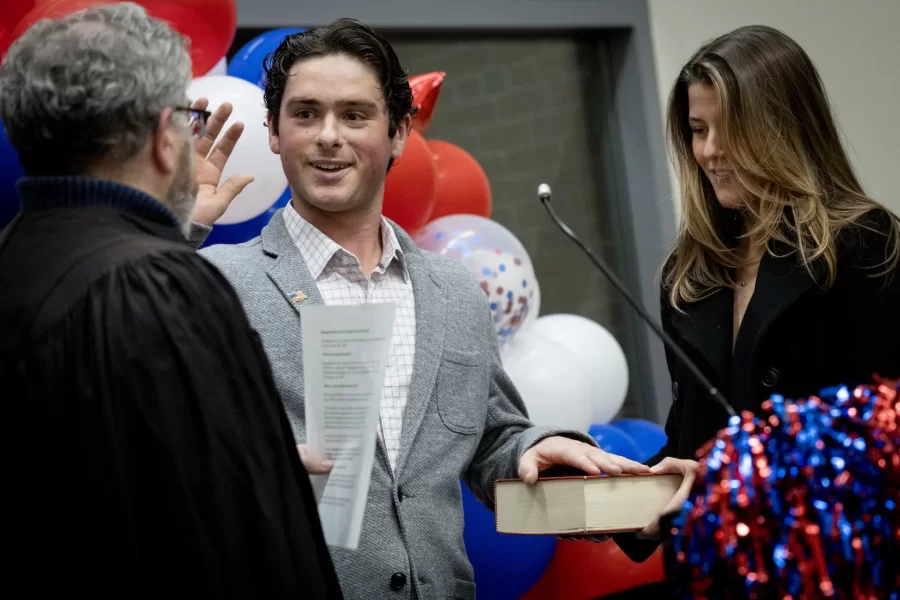
On Monday night on the second floor of Commons, “President-elect” Claire Bennett (played by Leah Belber ’26 of Washington, D.C.) officially became “President” Bennett after taking the oath of office administered by Professor of Politics Stephen Engel. Here, she is seen with her loving “husband,” John Bennett (played by George Wan ’25 of Hong Kong), who held a constitutional law textbook during the mock ceremony.
Among other scenes, swipe left to see Vice President Lawrence “Frank” Green (played by Freddie Curtis ’25 of Harvard, Mass.) take his oath of office alongside his “wife,” Elizabeth Green (played by Claire Bohmer ’25 of Steamboat Springs, Colo.). President Bennett also celebrates with her campaign manager, Katherine Moe ’25 of Washington, D.C.
Win or lose, members of the Presidential Campaign Rhetoric class and their friends toasted to a job well done with tasty treats and sparkling cider. Taught by Stephanie Kelley-Romano (@profskr), professor of rhetoric, film, and screen studies, the popular rhetoric course is affectionately known by its acronym “PCR.” It offers an intensive and immersive interdisciplinary experience, where mock campaigns run ads, deliver speeches, navigate scandals, and engage with “the media”—also staffed by PCR classmates.
Congratulations to both campaigns and the PCR media coverage from “The Political Times” for another successful and hard fought campaign season.
This year’s Presidential Campaign Rhetoric class had a ball—an inaugural ball, that is.
On Monday night on the second floor of Commons, “President-elect” Claire Bennett (played by Leah Belber ’26 of Washington, D.C.) officially became “President” Bennett after taking the oath of office administered by Professor of Politics Stephen Engel. Here, she is seen with her loving “husband,” John Bennett (played by George Wan ’25 of Hong Kong), who held a constitutional law textbook during the mock ceremony.
Among other scenes, swipe left to see Vice President Lawrence “Frank” Green (played by Freddie Curtis ’25 of Harvard, Mass.) take his oath of office alongside his “wife,” Elizabeth Green (played by Claire Bohmer ’25 of Steamboat Springs, Colo.). President Bennett also celebrates with her campaign manager, Katherine Moe ’25 of Washington, D.C.
Win or lose, members of the Presidential Campaign Rhetoric class and their friends toasted to a job well done with tasty treats and sparkling cider. Taught by Stephanie Kelley-Romano (@profskr), professor of rhetoric, film, and screen studies, the popular rhetoric course is affectionately known by its acronym “PCR.” It offers an intensive and immersive interdisciplinary experience, where mock campaigns run ads, deliver speeches, navigate scandals, and engage with “the media”—also staffed by PCR classmates.
Congratulations to both campaigns and the PCR media coverage from “The Political Times” for another successful and hard fought campaign season.
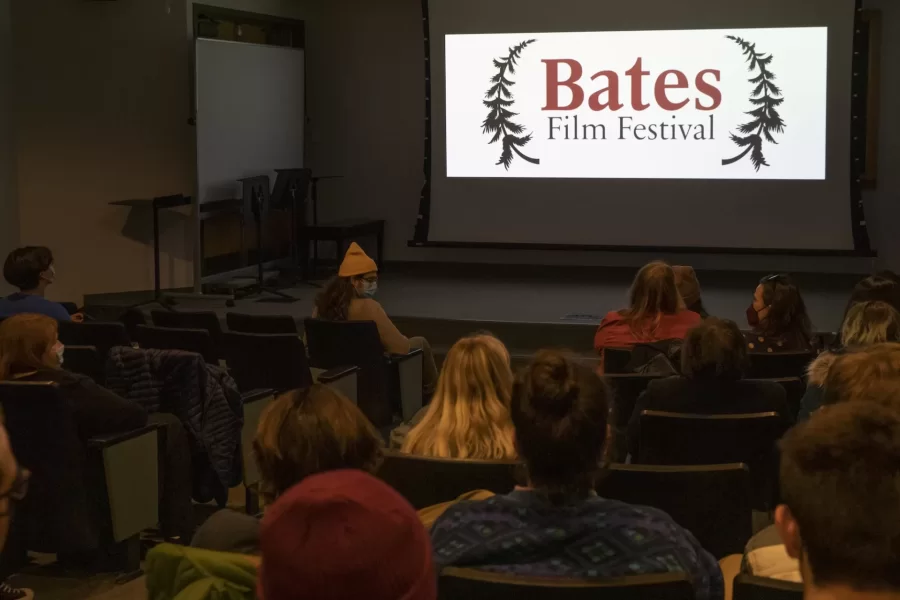
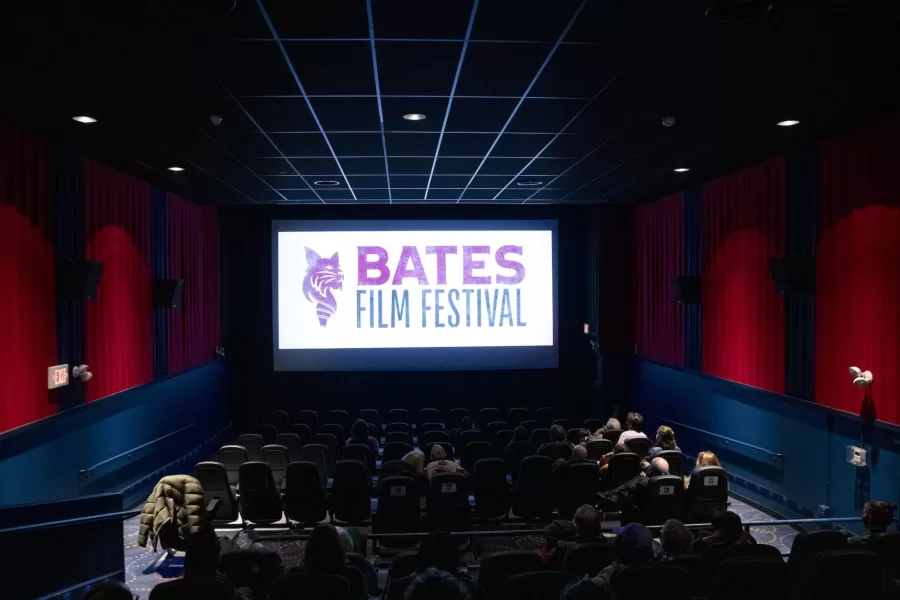
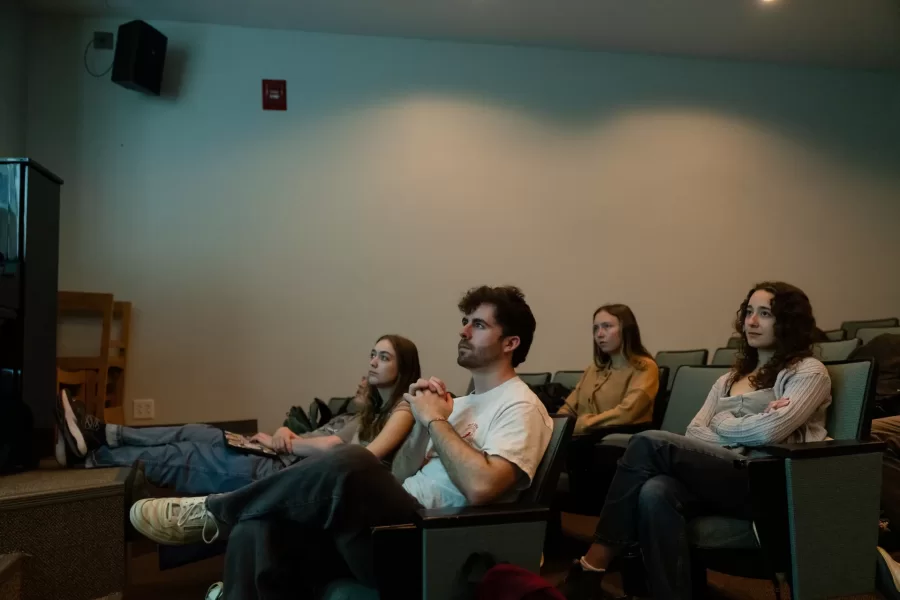
Opening night of the Bates Film Festival in Olin 104 with a screening of “The Worst Person in the World.”
Lights on the way back from Olin to Lane Hall.
Yesterday, two presidential campaigns designed by Bates students faced a scandal, and each team had 90 short minutes in which to respond.
A blessedly mock campaign, it’s a component of “Presidential Campaign Rhetoric,” which Professor of Rhetoric, Film, and Screen Studies Stephanie Kelley-Romano has taught every couple of years since the early 2000s.
This year, Kelley-Romano asked each campaign to prepare two responses. “One where they have to address (minimize and justify) what went on and a second where they can totally deny it. At the end of the class period I will have another story for each campaign that shows the accusations were false and they are absolutely vindicated (these stories can then run in our fake newspaper without the danger of damaging the candidate images or campaigns). During the class there will also be other information that “breaks” that they will have to respond to
The course is a senior seminar, and part of its coursework is traditional. Students do readings and have discussions, getting a handle on the many rhetorical devices that presidential campaigns deploy in speeches, ads, debates, and social media, as well how the news media interprets all this political discourse.
Simultaneously, the students get to practice and hone their rhetorical skills during the mock campaign. Everyone in the class has a role, from doing social media and speechwriting to playing family members and news reporters.
For the first time, this year’s two campaigns will not be affiliated with either of the two major U.S. parties (nor with any other party, whether Greens, Libertarians, or even Whigs).
Getting rid of the labels, Kelley-Romano hopes, will make “voters,” the nearly 600 students who are in various courses that intersect with the campaign, “think twice about what they’re hearing.” While an overall goal of the mock campaign is to increase the quality of public discourse, it’s up to each campaign to “balance responsible discour
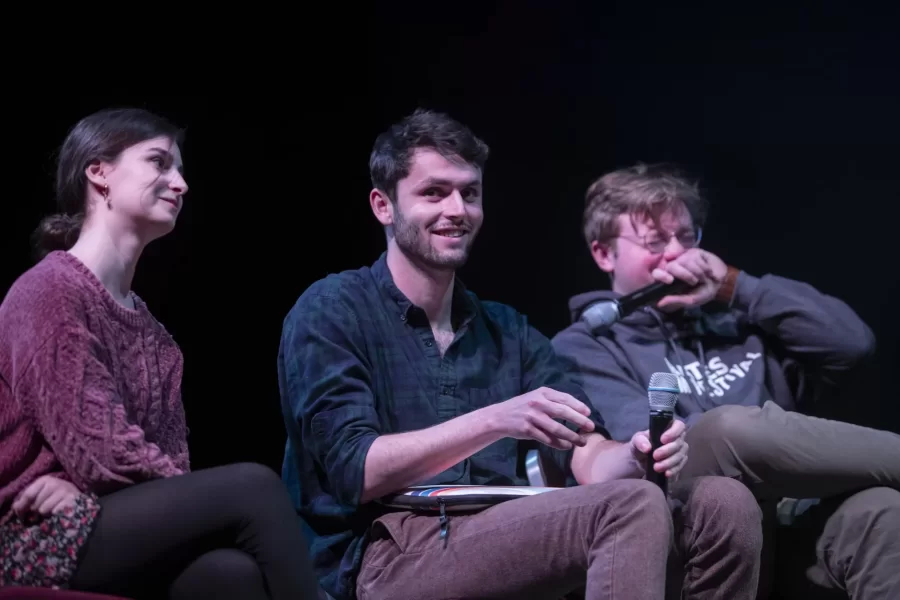
Bates Film Festival guests John Turturro and John Shea ’72 participate in two back to back Q&As in Schaeffer Theater. Turturro was from 2:30-4 p.m. Shea was from 4:30 to 6 p.m. Faculty members Jon Cavallero, Katalin Vecsey and Tim Dugan joined students from the Cavallero’s festival class to pose questions to the two actor/director/writers.
Yesterday, two presidential campaigns designed by Bates students faced a scandal, and each team had 90 short minutes in which to respond.
A blessedly mock campaign, it’s a component of “Presidential Campaign Rhetoric,” which Professor of Rhetoric, Film, and Screen Studies Stephanie Kelley-Romano has taught every couple of years since the early 2000s.
This year, Kelley-Romano asked each campaign to prepare two responses. “One where they have to address (minimize and justify) what went on and a second where they can totally deny it. At the end of the class period I will have another story for each campaign that shows the accusations were false and they are absolutely vindicated (these stories can then run in our fake newspaper without the danger of damaging the candidate images or campaigns). During the class there will also be other information that “breaks” that they will have to respond to
The course is a senior seminar, and part of its coursework is traditional. Students do readings and have discussions, getting a handle on the many rhetorical devices that presidential campaigns deploy in speeches, ads, debates, and social media, as well how the news media interprets all this political discourse.
Simultaneously, the students get to practice and hone their rhetorical skills during the mock campaign. Everyone in the class has a role, from doing social media and speechwriting to playing family members and news reporters.
For the first time, this year’s two campaigns will not be affiliated with either of the two major U.S. parties (nor with any other party, whether Greens, Libertarians, or even Whigs).
Getting rid of the labels, Kelley-Romano hopes, will make “voters,” the nearly 600 students who are in various courses that intersect with the campaign, “think twice about what they’re hearing.” While an overall goal of the mock campaign is to increase the quality of public discourse, it’s up to each campaign to “balance responsible discour
Bates Film Festival at the Nordica Theatre in Freeport Maine on Saturday, April 2,2022.
Inside theater for screening of “Memoria.”
Why Study Rhetoric, Film, and Screen Studies at Bates?
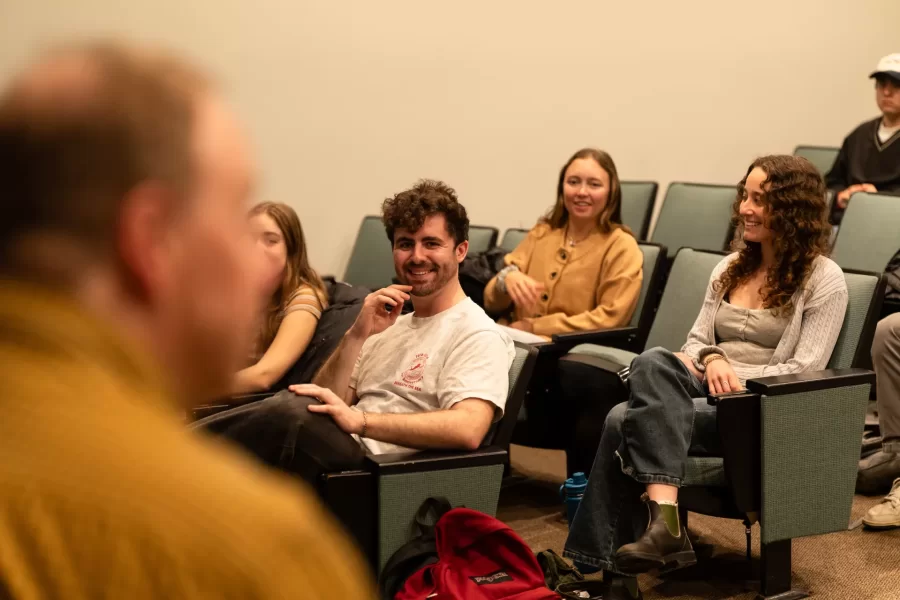
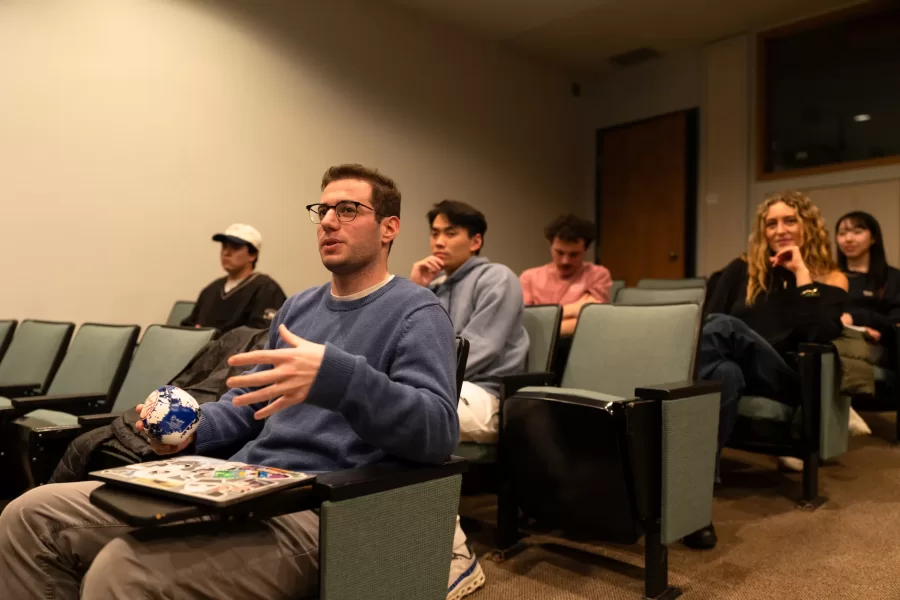
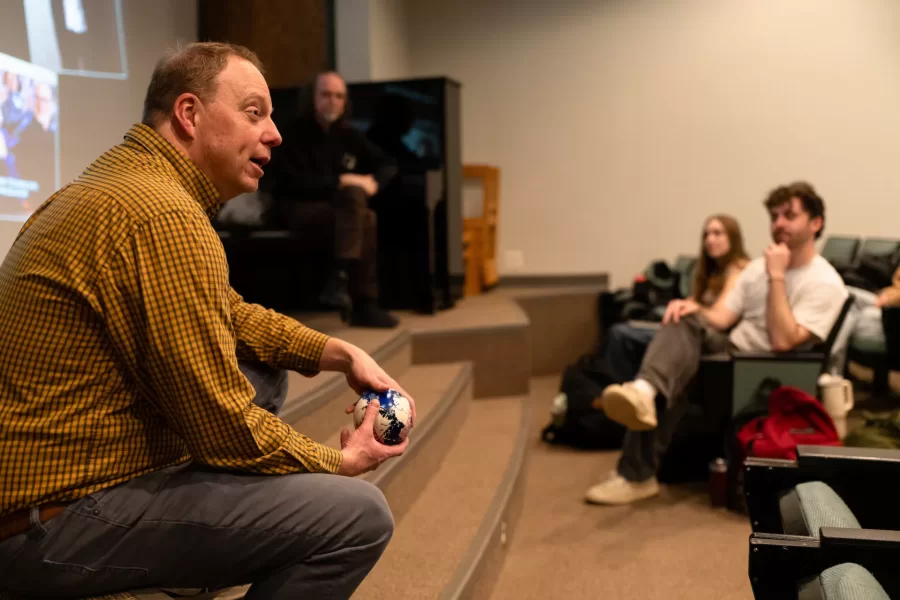
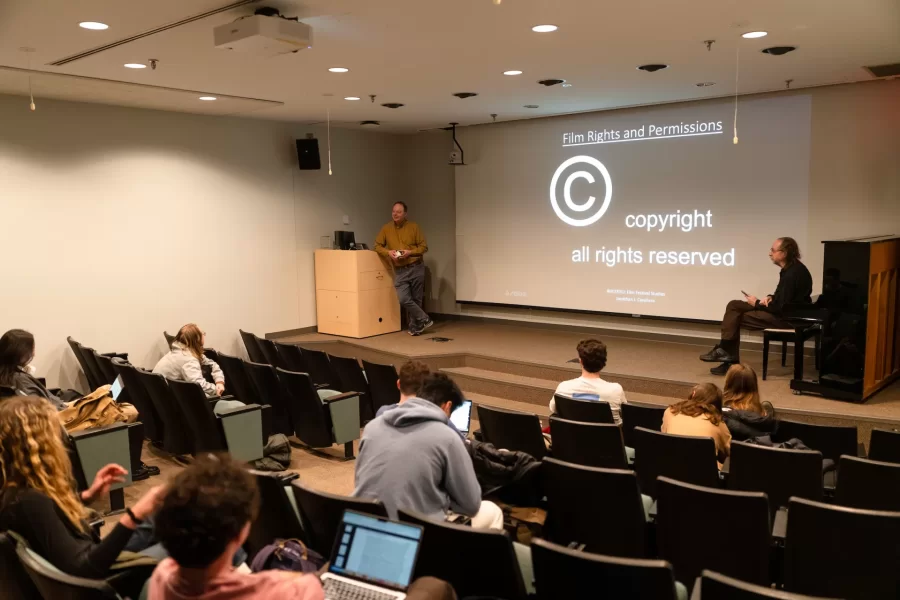
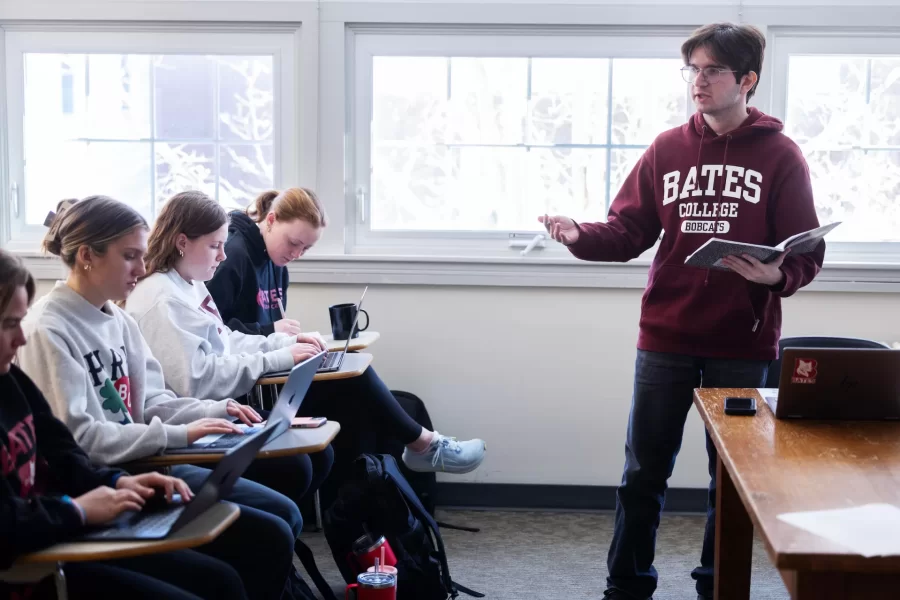
The RFSS major at Bates offers a hands-on approach for students, with community engagement serving as a key element in many of our classes. Students have the chance to participate in events including the Bates Film Festival and the “Presidential Campaign Rhetoric” course, during which they run nine-week-long mock campaigns. We also host lunch panels discussing popular culture; recent panels focused on the box office phenomenon known as “Barbenheimer” and the films Nope and Sinners.
Featured Courses
Meet the Faculty
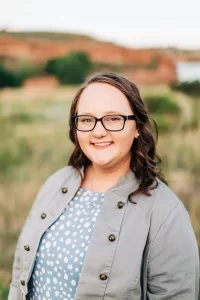
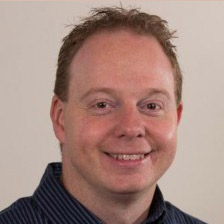
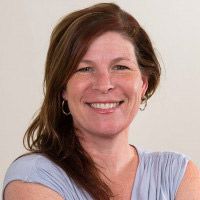
The department’s faculty is composed of award-winning scholars, thinkers, and writers who have studied Italian film, anti-sexual violence organizing, political rhetoric, and Black queer studies. They have been published in top journals both nationally and internationally, break new ground in their chosen fields, and work closely with students to put our teaching into practice at the individual level.
Bates Theater’s production of ‘Everybody’ sold out every performance at Gannett Theater last week — waitlists at the door, eager audience members finding out they’d gotten seats five minutes before curtain — and the room earned that anticipatory urgency.
Yun Garrison, associate professor of psychology, was honored on March 8 with the Lee Young Leadership Award from the YWCA of Central Maine in recognition for her community-engaged work.
Brett Karpf walks to make sense of the world and because he has to, for reasons he’s still trying to understand. Beginning in August, fully funded by a fellowship from the Thomas J. Watson Foundation, Karpf will spend a full year walking — and thinking about walking.