
October 8, 2026
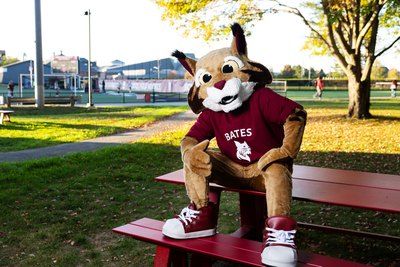
There’s a new (Bob)cat in town!
After a year-long effort to redesign the Bobcat mascot, the new Bobcat is out and about on campus. The mascot debuted on Sept. 26 at the home football season opener.
Sociology is the study of social behavior, human society, and interactions.
The Department of Sociology focuses on how social structures shape lives and influence behavior from the hyper-local level to the global scale. Courses dissect and address social phenomena ranging from patterns of everyday interaction to social and political revolutions, offering a unique potential not only for understanding society, but also social action and change.
Matt Von Vogt, Academic Administrative Assistant
4 Andrews Rd
Pettengill Hall
Phone: 207-786-8296
mvonvogt@bates.edu






A sociology degree from Bates is a strong foundation for a wide range of careers, from government, public policy, journalism, and law to social work, counseling, and human resources. Many graduates go on to pursue graduate degrees in sociology and related areas, including law, criminal justice, health care administration, and more.
of 2020-2024 Bates graduates are employed and/or attending graduate school — settled into their next opportunity within 6 months of graduation.
“Studying sociology has reaffirmed my interest in public service, while the knowledge I have gained through this major will support my career.”
— Jack Lawrence ’24
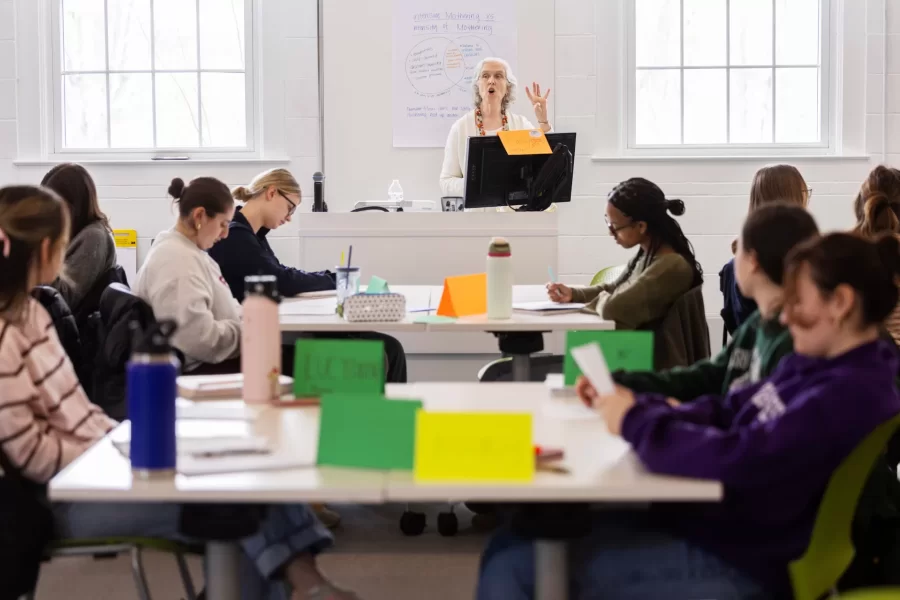
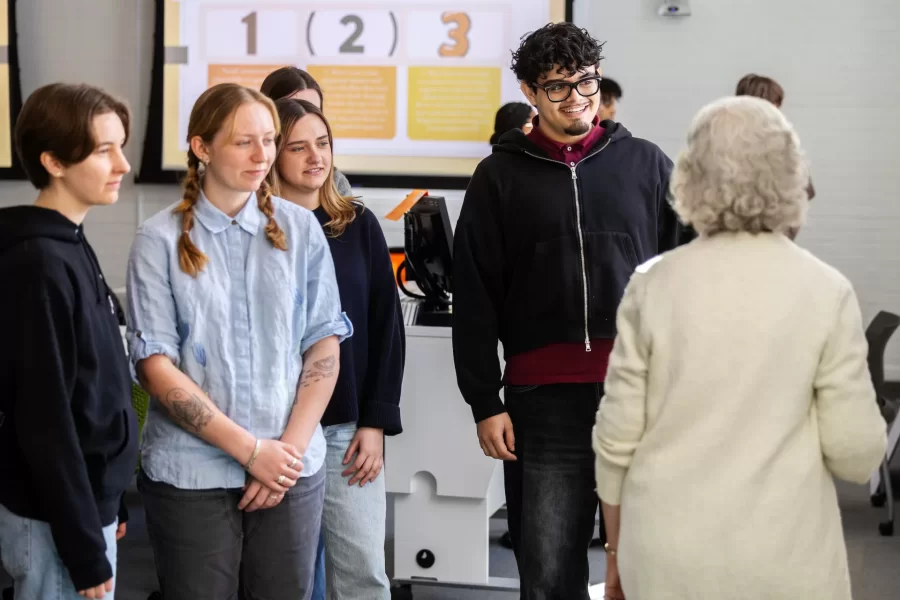





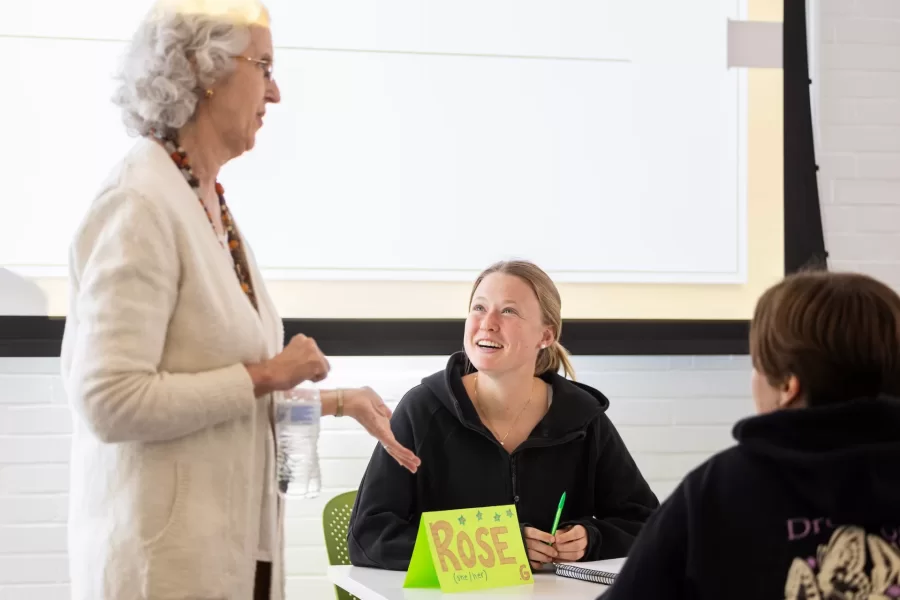
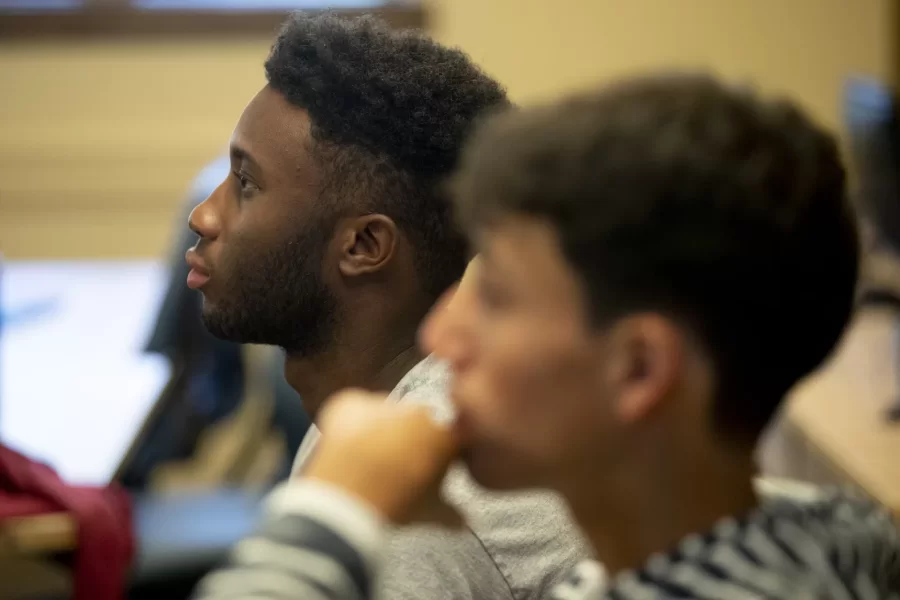
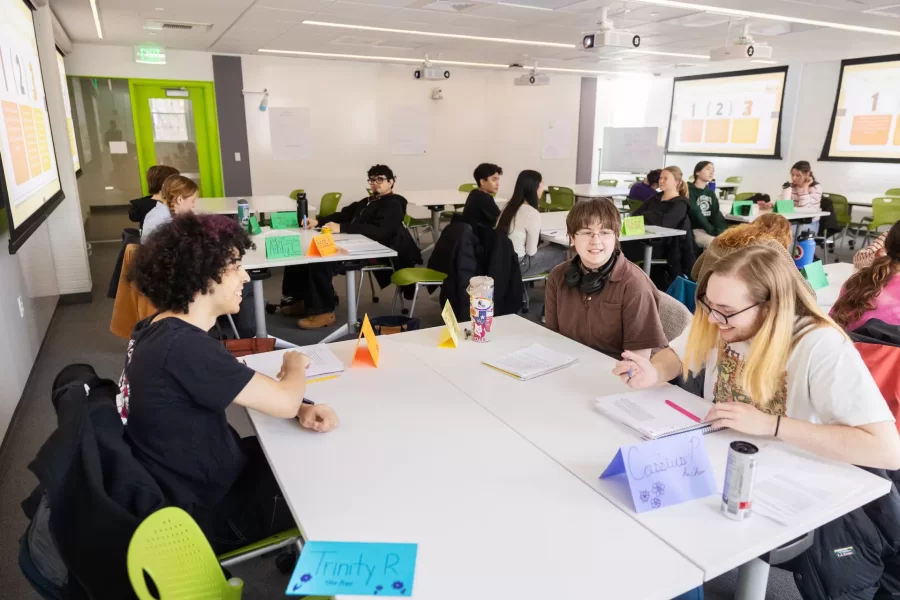
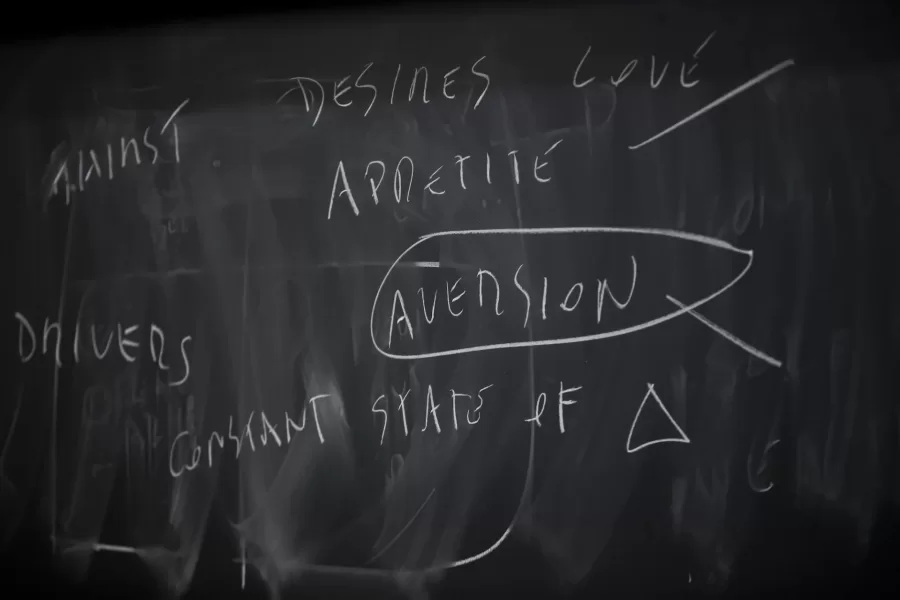
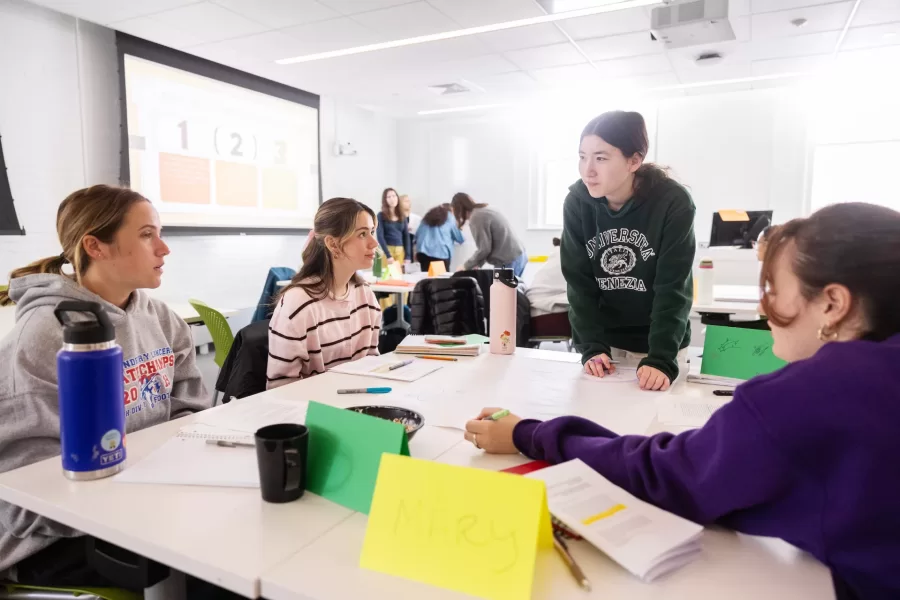
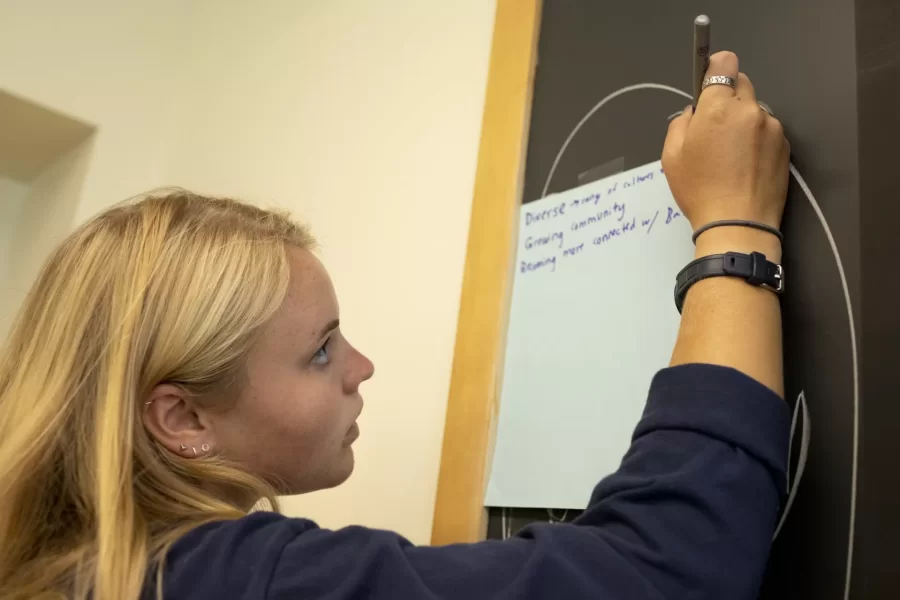



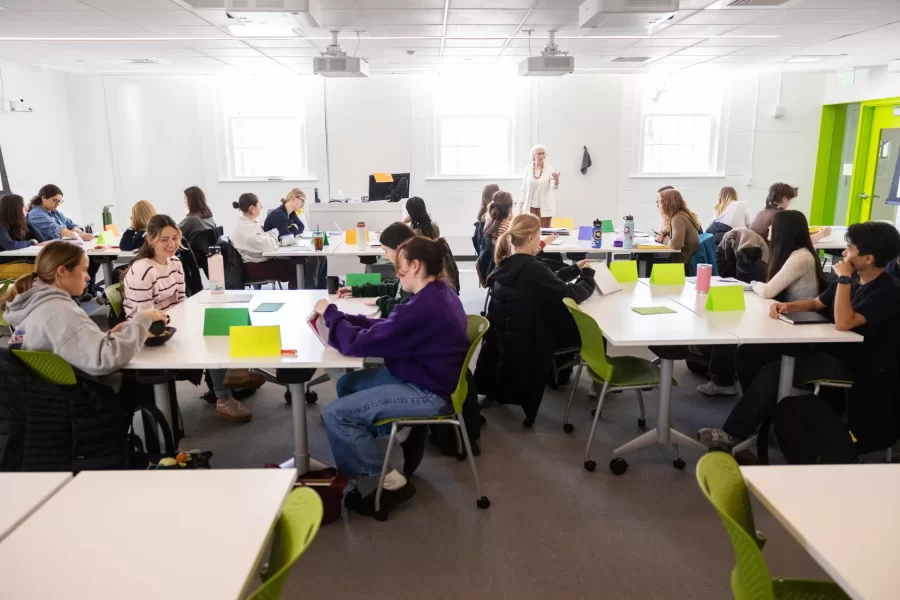
The sociology department offers a variety of 100- and 200-level courses that provide a strong and diverse foundation for advanced courses. Most 200-level courses are open to first-year students and have no prerequisites. The major concludes with the senior thesis, which allows students to work as independent sociologists, selecting their own methods and approaches to answer a specific sociological question. Students will leave the program with a fresh perspective on society and the people who inhabit it.
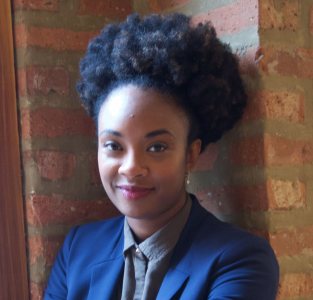
As a junior, I was fortunate enough to take a class called Urban Sociology that introduced me to how people interacted and lived in cities. Growing up in New York, I wanted to know all the inner workings of the city and who benefited from it. This class sparked my curiosity: Who were the people who planned cities and what did they do, exactly? I ended up in a Masters program for Urban Planning at Hunter College where I’m earning my advanced degree and formal planning certification while working for two urban planning-based non-profits.
Layla Dozier ‘21
Faculty members in the sociology department have published books with renowned presses, contributed articles to prestigious scholarly journals, and authored quantitative and qualitative research that has broken new ground. Their expertise spans a wide range of sociological topics, including racial and ethnic identity construction, criminological theory, and the interactions between culture, institutions, and the economy.
After a year-long effort to redesign the Bobcat mascot, the new Bobcat is out and about on campus. The mascot debuted on Sept. 26 at the home football season opener.

This news roundup includes alumni achievements from the Class of 1977 to 2026; faculty recognition, publication, and appearances; and coverage of President Garry W. Jenkins’ participation in the annual Presidents’ Dinner for media.
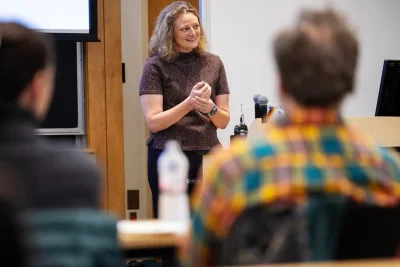
Associate Professor of English Jess Anthony ’96 gave a lecture for her Kroepsch Award for Excellence in Teaching on Sept. 30. She discussed and read from her most recent novel, The Most.