Neuroscience at Bates
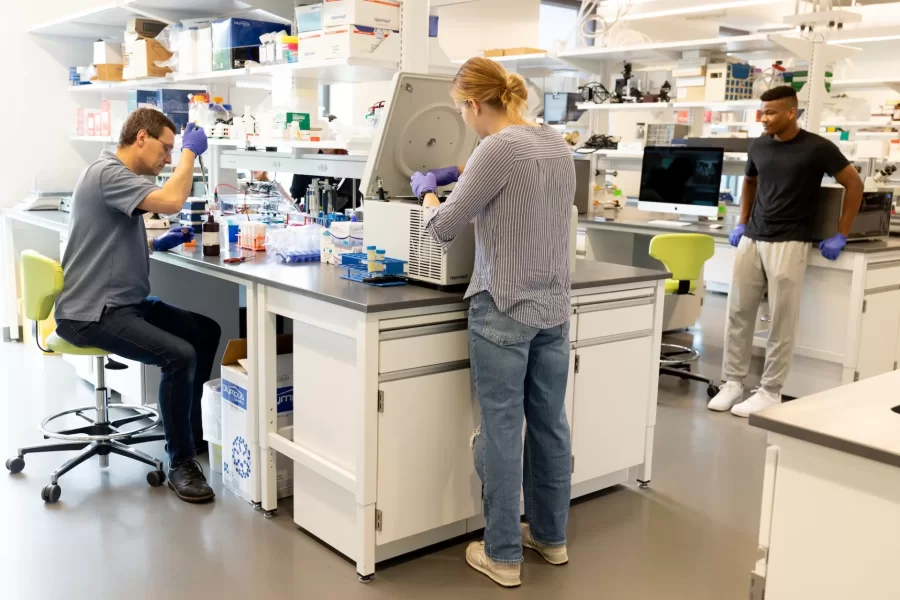
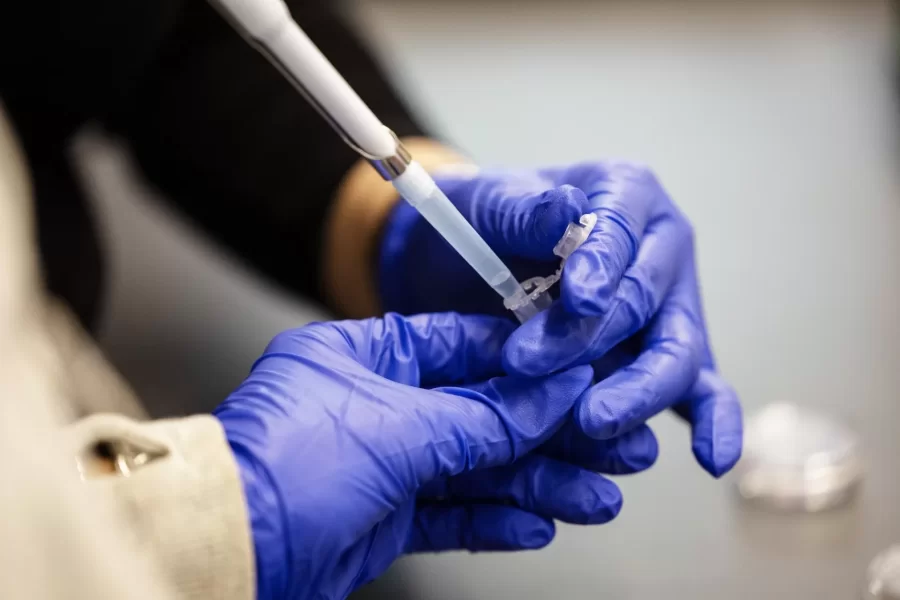
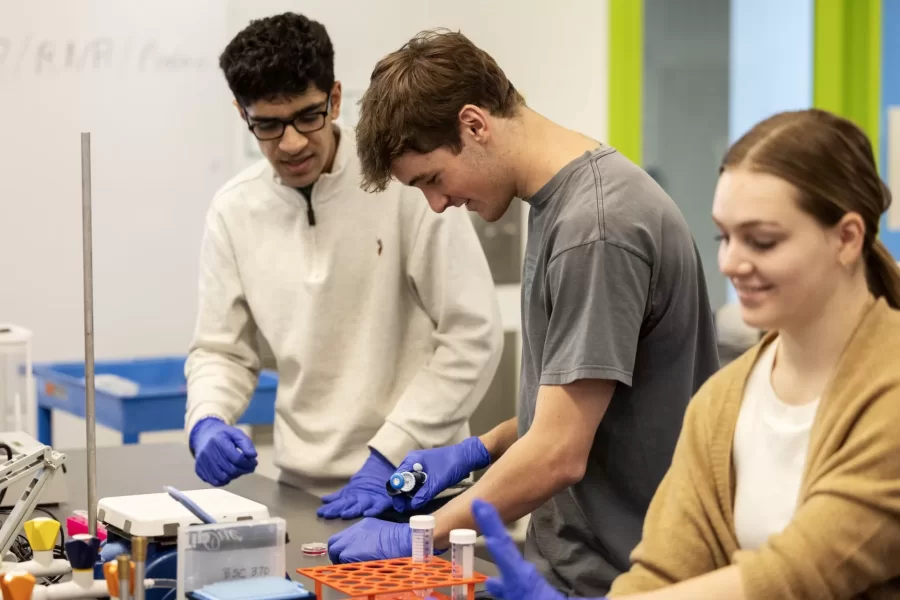
The Bates Program in Neuroscience’s curriculum is built around active, learning-by-doing experiences.
The program trains students to draw on perspectives from physiology, psychology, biology, and quantitative approaches to consider topics such as molecular and cellular mechanisms, neural circuits, computation, and behavior. Students develop skills through laboratory courses and research practice, and the major culminates with a senior capstone or thesis that emphasizes rigorous, independent inquiry.
Contact Us
Thomas Pinette
Academic Administrative Assistant
Bonney Science Center
Phone: 207-755-5928
tpinette@bates.edu
What You Will Learn
How to design and conduct neuroscience research by collecting, analyzing, and interpreting data

To communicate the principles of neuroscience clearly in writing, presentations, and visuals for different audiences

How to evaluate evidence and scientific claims with methodological and ethical rigor, paying special attention to societal impact
How to translate neuroscience into real-world domains including health, technology, education, and policy
To present and share research with the campus community and at regional and national scientific meetings
To build a broad understanding of the connection between the brain and behavior, starting at the molecular level
Life After Bates
Students graduate as thoughtful and responsible consumers and producers of neuroscientific knowledge, providing a versatile foundation for careers in healthcare, research, biotechnology, and academia. Graduates frequently pursue roles as physicians, neuroscientists, research technicians, and counselors, or work in specialized areas like pharmaceutical sales, science writing, and AI-driven interface development.
94%
of 2020-2024 Bates graduates are employed and/or attending graduate school — settled into their next opportunity within 6 months of graduation.
“During my sophomore year Cognitive Neuroscience lab in Pettengill, my life was changed when my professor introduced me to a career I’d never heard of where I could help people, solve puzzles, and continue learning throughout my life. My mentors at Bates mapped out the path for me and supported me every step of the way. Now, 8-plus years of training later, I am practicing and so in love with my work.“
— Hannah Weiss ‘15
Selected Places of Employment/Service
- National Institutes of Health
- Massachusetts General Hospital
- Brigham and Women’s Hospital
- Boston Children’s Hospital
- McLean Hospital
- ScribeAmerica
- Dana-Farber Cancer Institute
- Beth Israel Deaconess Medical Center
- Analysis Group
- Artisan Healthcare Consulting
Selected Graduate Schools
- Broad Institute of MIT and Harvard
- Massachusetts Institute of Technology
- University of Oxford
- Stanford University
- University of Pennsylvania
- Columbia University
- Johns Hopkins University
- Duke University
- University of California, San Francisco
- Dartmouth College

Why Study Neuroscience at Bates?
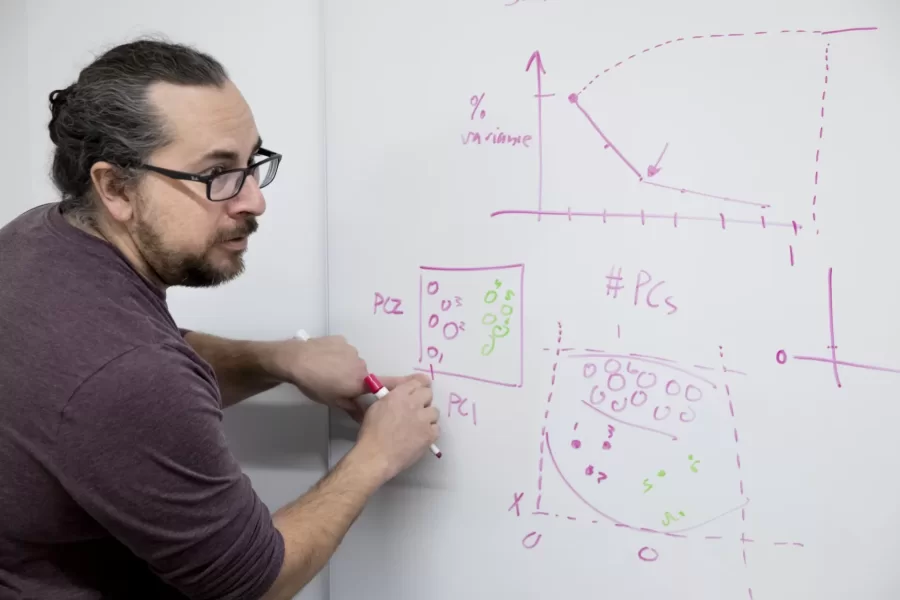
Students choose neuroscience at Bates for mentored, high-touch scientific practice. We provide close faculty guidance as students learn to design studies, work with data, and communicate their findings. Students graduate prepared to think critically about the nervous system, conduct and communicate original research, and integrate scientific understanding with ethical and societal perspectives. We offer a truly hands-on approach to neuroscience; students in our program routinely participate in active research programs and mentored projects with our faculty.