Basketball (and family) history makes TV and newspaper news
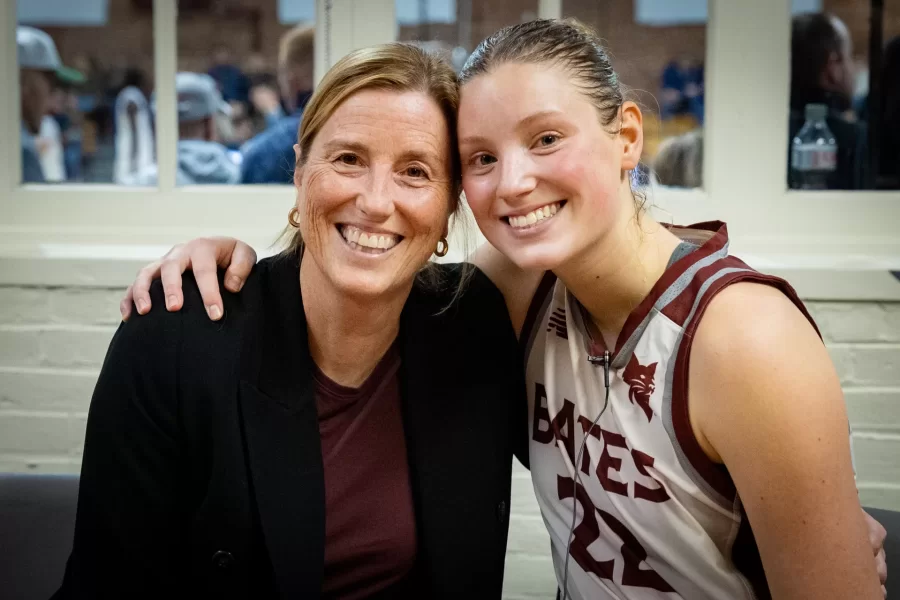
During a 70-66 overtime win against the University of Southern Maine, Elsa Daulerio ’26 became the 22nd Bates women’s basketball player to score 1,000 career points, and the Kennebec Journal/Morning Sentinel and WGME all reported on the event. Her teammates swarmed the court after the game to celebrate Daulerio, who is the 2025–26 team captain.
The achievement has made Daulerio and her mother, Bates Associate Director of Athletics Adrienne Shibles ’91, the second-documented mother-daughter duo in the country to both earn 1,000 career points at the same institution.
“It means so much,” Daulerio told the Kennebec Journal/Morning Sentinel. “I love her so much. She’s been my idol since I was a little girl. I always looked up to her, and she’s been my No. 1 supporter, along with my family. It’s just so special and I’m honored to be up there with her. She’s the hardest worker I know.”
Like her daughter, Shibles was team captain at Bates — twice. She ended her college career with 1,005 career points and went on to coach basketball at Swarthmore, Bowdoin, and Dartmouth before returning to Bates.
A Bates alum talks to national press after her reality show jackpot
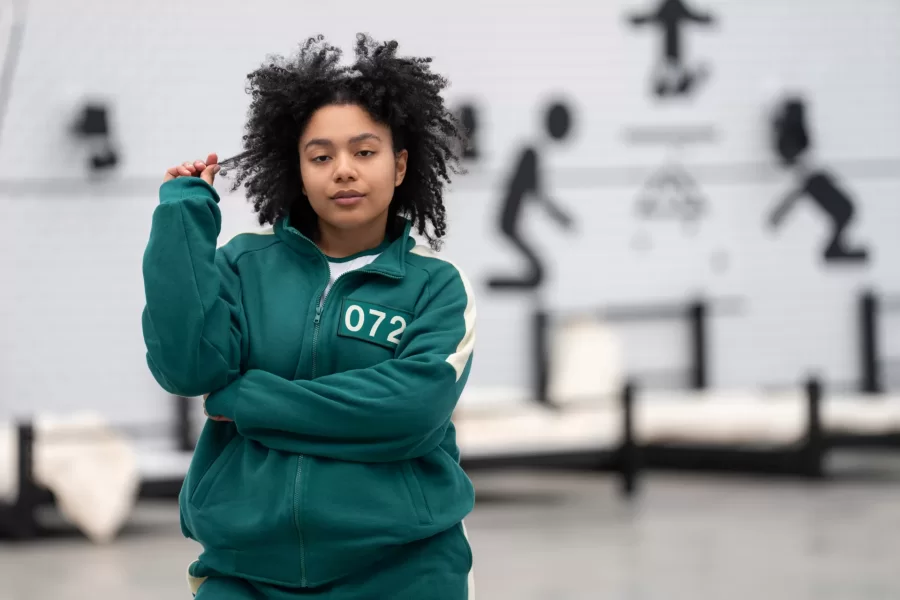
In November, Perla Figuereo ’21 was featured in an article in Marie Claire after winning Squid Game: The Challenge Season 2, a competitive reality television show based on the fictional thriller Squid Game. Figuereo entered the game with her twin brother Jeffrey Figuereo and her “gameplay came down to being her ‘most authentic self’ and tapping into her emotions,” Marie Claire reported.
The prize for winning the show was $4.56 million, which Figuereo plans to split with her brother. As Cosmopolitan magazine reports, Figuereo “was made to play against her brother Geoffrey [sic], putting them both in a difficult position. He decided not to take part, instead encouraging his sister to go on and win the game for the both of them. And she did just that.”
In an interview with the Sun Journal, Figuereo discussed her win and reminisced on her time in Lewiston, which she calls her “second home.”
“My strategy was just to be myself,” Figuereo told the Sun Journal. “I’m a very social person. Genuinely one of my passions in life is people, so my strategy was just to get to know people like I do in my everyday life.”
The TODAY show, Gold Derby, and The Wrap, among other outlets, also covered the news.
Francesco Duina visits Maine Calling to talk about inequality
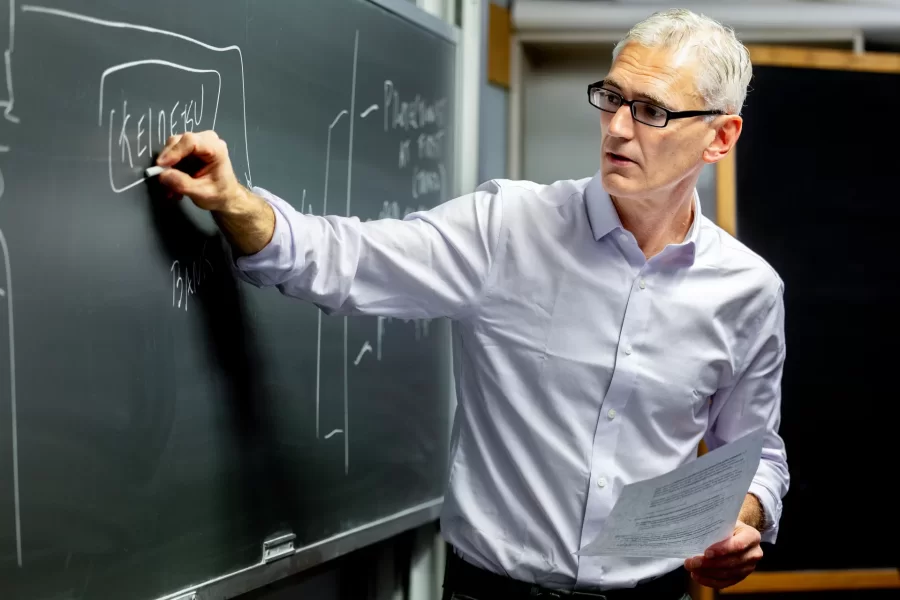
Francesco Duina, professor of sociology, was featured on Maine Public’s Maine Calling program on December 2.
Duina’s new book The Social Acceptance of Inequality: On the Logics of a More Unequal World analyzes the ways in which people think about economic inequality—and the reasoning that leads many to accept the disparities around us. Co-edited with Luca Storti, an associate professor of economic sociology at the University of Turin, Italy, Duina’s collection includes voices from across the globe contributing their perspectives on why we justify and accept economic inequality.
Maine Calling host Jennifer Rooks asked Duina why he chose to look at the logics, or justifications, people have for the great inequality in the world now.
“The logics or the justifications, are drivers or these inequalities,” Duina responded. “So if we want to understand where they come from or why they are sustained, we want to understand why some people are okay with them. A surprisingly large number of — and diverse — number of people support, to varying degrees, inequalities. We are talking specifically about economic inequalities here. Inequalities of wealth or income.”
Rooks asked Duina about his process, including how he challenges his Bates students to consider the topic. “I suspect that people, sometimes, if they are asked, outright, ‘Do you support income inequaity’ might have a different answer then the answer you get when you start to dig down,” Rooks said.
Duina agreed. “Most people, I think, would probably say ‘No,’” he said. “Though some people will say, ‘I’m perfectly comfortable,’ for whatever reasons. But it’s also true that, as I investigate with students, and I kind of challenge them, it’s also true that most people don’t want perfect equality either. So then the question is, at what point do people become uncomfortable, and at what point do people continue to accept economic inequalities?”
To listen to the full conversation, which included two guest panelists,
Marc Dixon, professor of sociology from Dartmouth College and Megan Tobias Neely, assistant professor of sociology, University of Colorado, Boulder, visit Maine Calling’s archive. Bates News interviewed Duina about the topic in November.
Bates football success featured in the Portland Press Herald
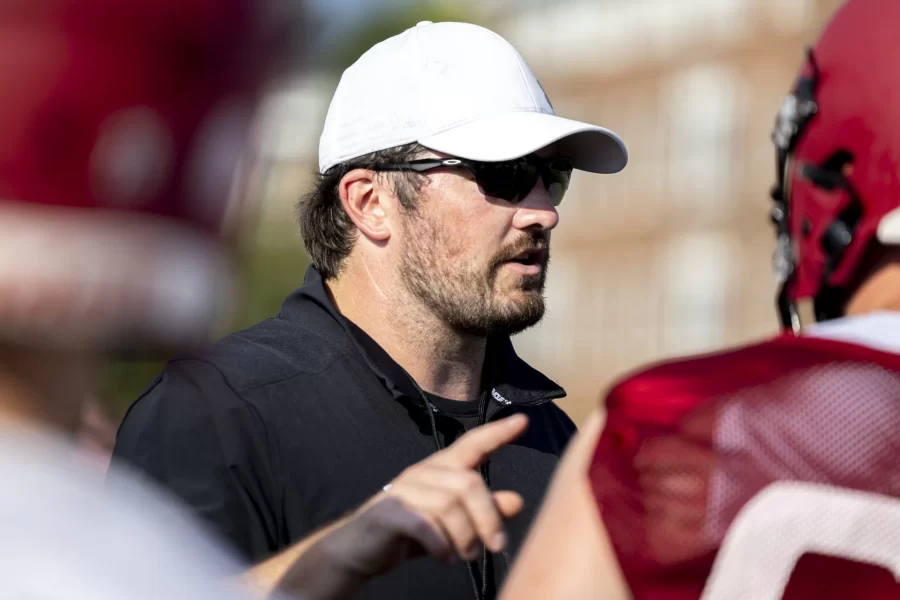
Head Football Coach Matt Coyne was featured in a recent article headlined Depth, underclassmen boosting Bates College football which ran in the Maine Trust for Local News publications, including the Portland Press Herald, in late October. Coyne noted that Bates football is at a turning point this year. “We’ve played, you know, much better complementary football across the board, offensively and defensively,” Coyne said. “I think the biggest thing is in critical moments in some of those games against the top-half teams, we made the plays against Amherst and Tufts; then in some other games, we didn’t.” Coyne pointed to the team’s depth in both offense and defense calling out junior linebacker Ryan Rozich of Cromwell, Conn. leading the NESCAC with 89 tackles, and sophomore Carmel Crunk of Chatsworth, Calif. with 63 tackles.
In the Sun Journal, Darby Ray visualizes a community gathering spot
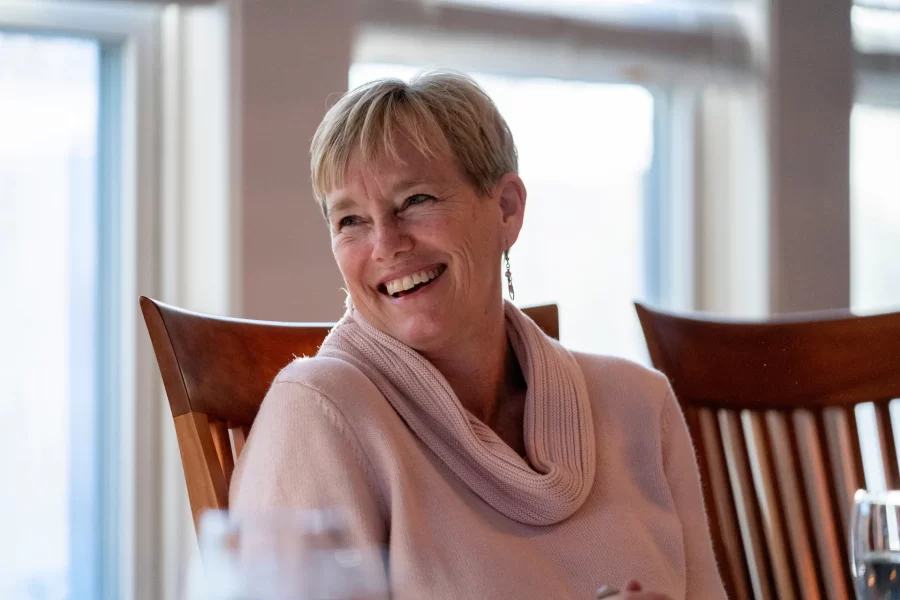
Lewiston community members are considering the future of The Red Shop at Simard-Payne Memorial Park. Built in 1938, the building was once a machine shop for the mill. Discussions about the possible uses for the building are underway. Darby Ray, who serves as director of the Harward Center for Community Partnerships and is the Donald W. and Ann M. Harward Professor of Civic Engagement, was interviewed in a recent article, where she shared her ideas for the future of the building. Ray imagines people coming together at The Red Shop–for family reunions and other celebrations, saying “I think we need more spaces where folks can come together on a chilly winter day like today and maybe share ideas about something, have a forum or a conversation or a square dance. We need places to gather that are easily accessible and low barrier in terms of expense.”
Kamal Kariem in The Journal of Blacks in Higher Education
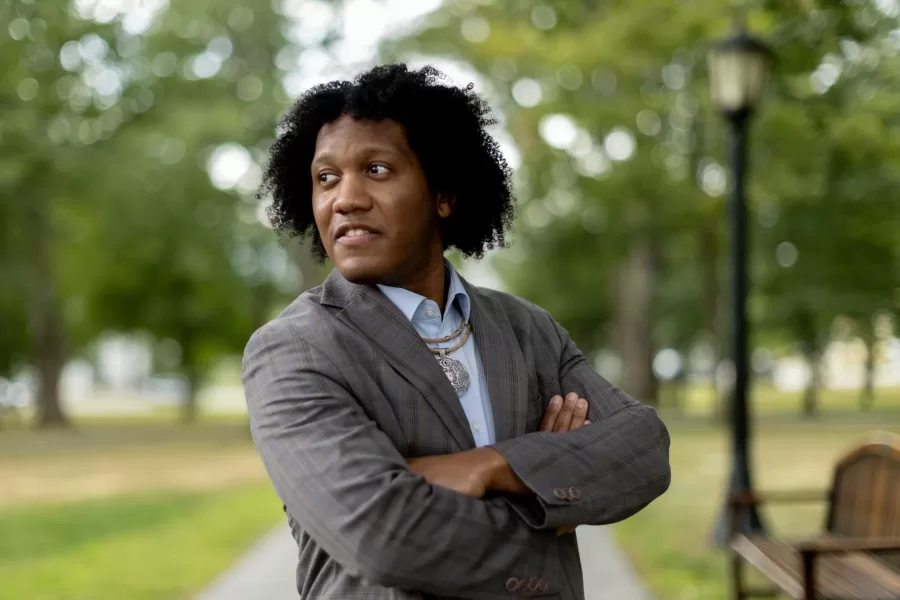
Kamal Kariem, assistant professor of anthropology who joined the faculty at Bates this year, was highlighted in The Journal of Blacks in Higher Education. Kariem, a graduate of Connecticut College, earned his masters and PhD at Princeton University in anthropology. Kariem is noted as a scholar of global Indigeneities and “comparative imperial formations as these intersect with nature protection.” Kariem is currently teaching “Cultural Anthropology” and “Indigeneity Today.” He shared that he looks forward to working with students to consider their own engagement with Indigenous scholars, considering “convergences and divergences” that emerged in his own work studying Indigenous peoples in the U.S. and Russia.
Muncie’s Star Press features alum’s appointment at Ball State
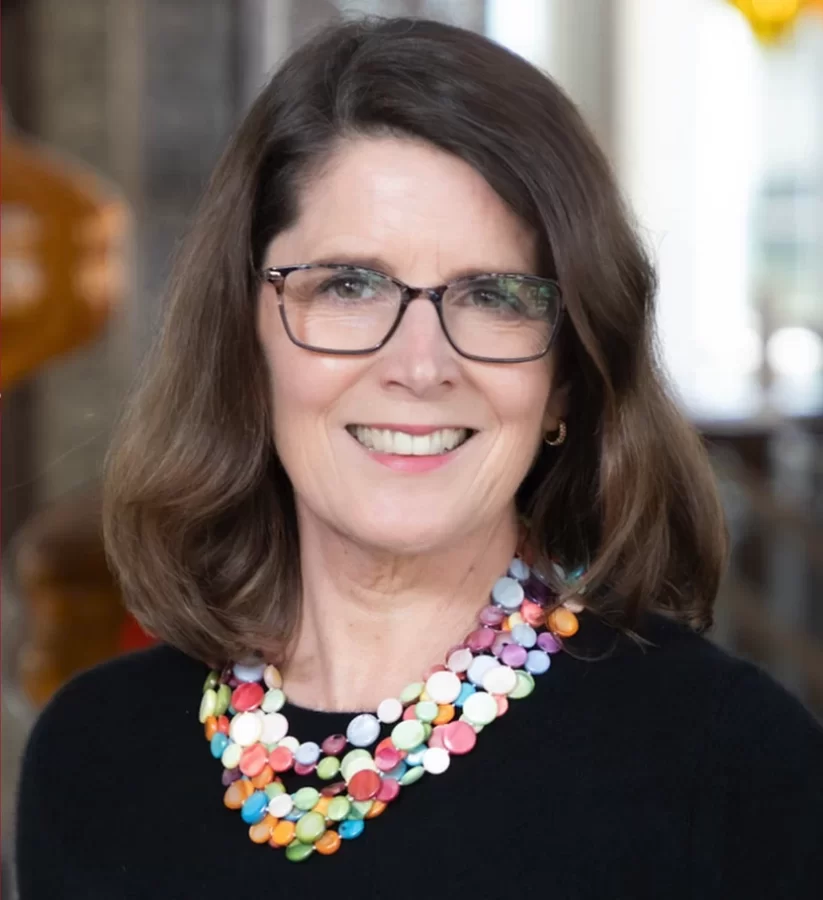
Bette Smith ’87 was featured in The Star Press of Muncie, Ind. for her new appointment at Ball State University. Smith was named director of Ball State University’s Center for Innovation and Collaboration. Originally from New York, Smith was a Russian major at Bates before earning a masters in sociology at University of Colorado, Denver. Smith has spent more than two decades working in higher education, and will use her experience to focus on organizational change and partnership development. In her new role, Smith will help shape the center’s initial organizational structure and expand Ball State University’s partnerships with the community and local industry. Smith has served as principal of Destra Consulting Group since 2013, supporting clients on transformation initiatives, stakeholder engagement, and leadership alignment.
Faculty Featured
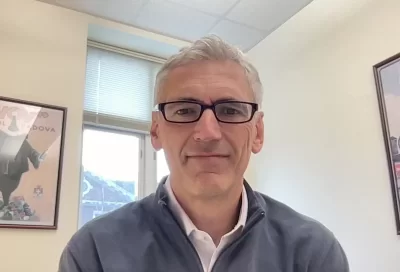
Francesco G. Duina
Charles A. Dana Professor of Sociology

Matt Coyne
Head Football Coach and Instructor in Physical Education
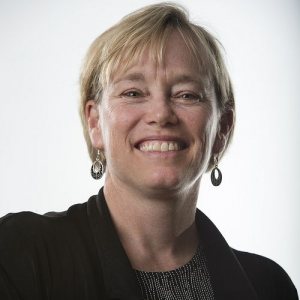
Darby K. Ray
Dir of HCCP and Donald W. and Ann M. Harward Professor of Civic Engagement
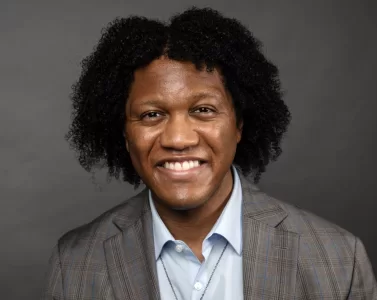
Kamal A. Kariem
Assistant Professor of Anthropology