For the 15th consecutive year, Bates has been recognized as a Top Producer of Fulbright U.S. Student awards, the U.S. Department of State announced today.
The honor recognizes the eight Bates alumni who were selected for the Fulbright U.S. Student Program for the 2025–26 academic year. Seven of those awardees accepted their awards and are currently in Slovenia, Switzerland, Germany, Taiwan, and Rwanda participating in study and research exchanges or serving as English teaching assistants in local schools.
Since 1946, the Fulbright Program has provided the opportunity to study, teach, and conduct research abroad to more than 400,000 accomplished students, scholars, teachers, artists, and professionals of all backgrounds.
Bates is one of 96 colleges to be recognized this year as a Top Producer of Fulbright U.S. Student awards. The achievement places Bates among an elite group of just 11 undergraduate liberal arts colleges to have achieved the recognition 15 years in a row.
“Bates’ success with Fulbright and other highly competitive national fellowships is a sterling example of the highly intentional, deeply personalized experience we offer our students,” says Bates President Garry W. Jenkins. “We are very proud of our students and their accomplishments — and even prouder of all that they contribute to the wider world, as Fulbright awardees and beyond.”
For Helena Raddock ’24, working as a Fulbright English teaching assistant in Rwanda for the 2025–26 academic year has been a dream come true — and an achievement she worked for throughout her college career.
“I really appreciate how much Bates puts an emphasis on cultivating Fulbrighters,” Raddock says. “Fulbright as a concept enters your consciousness either your first or second year, which is pretty cool.”
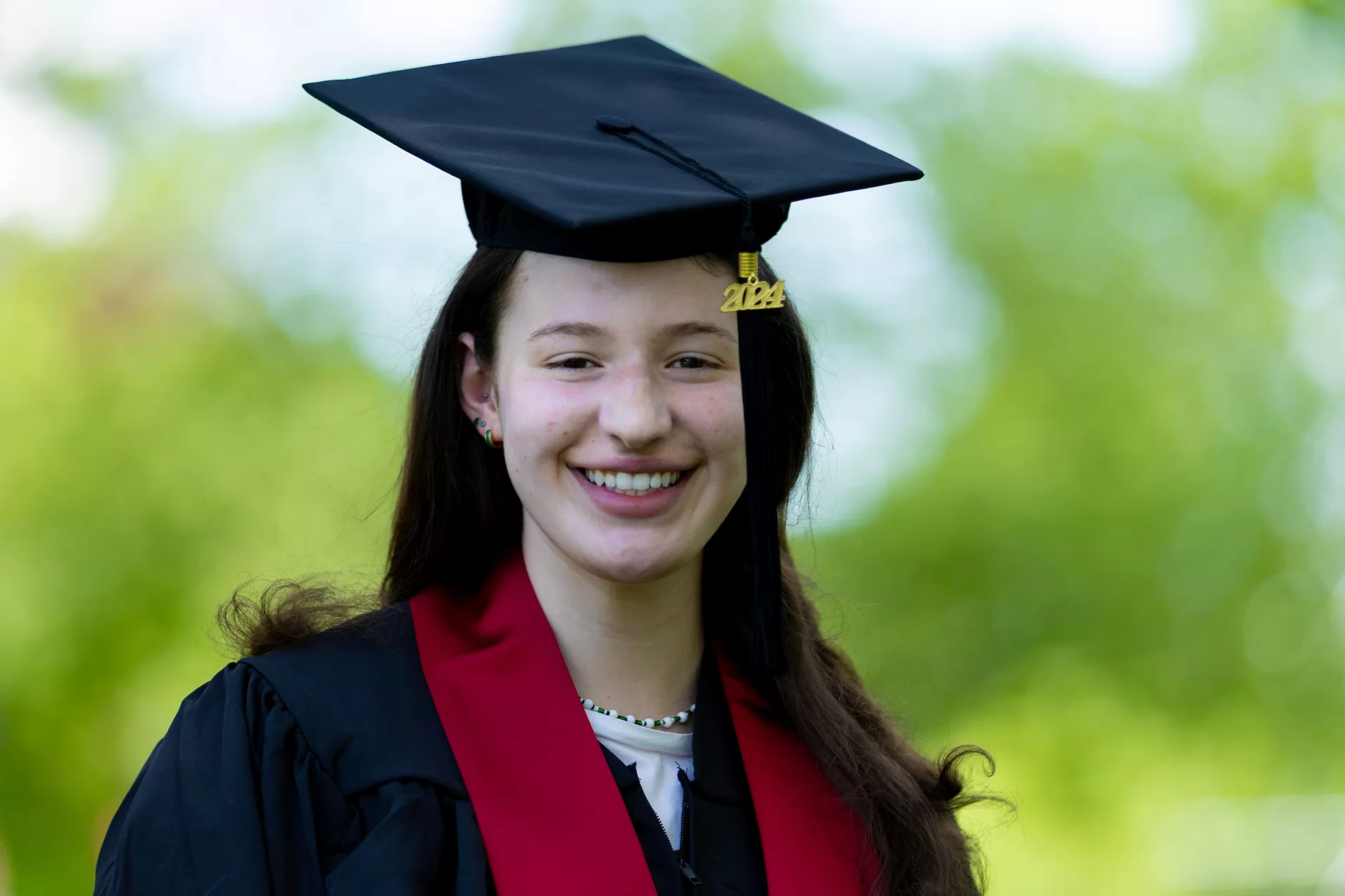
At the same time that Raddock was developing an interest in the Fulbright grant, she found an academic passion for African politics and culture while taking “Women in the Women’s Movement in Africa” with Assistant Professor of Politics Seulgie Lim. She was fascinated by the role that women played in political movements across Africa and by the politics of memory — how historical events are commemorated and engrained in a populace’s mind — and went on to major in politics, with a minor in gender and sexuality studies.
These two interests overlapped in Raddock’s study of Rwanda, whose primarily matriarchal society was directly shaped by a genocide that brutalized the country in 1994. Victims of the genocide were disproportionately men, leaving mostly women to reconstruct society in the aftermath of the tragedy.
Lim, who was also Raddock’s senior thesis advisor for her honors politics project about memory of apartheid in South Africa, was a great source of support throughout the Fulbright application process, as was Robert Strong, director of national fellowships and lecturer in English.
“One of the best things about Bates is that they set you up so well to not only do a Fulbright, but apply for it, because the mentorship is really strong,” Raddock says.
Like every Fulbright applicant at Bates, Raddock also worked closely with faculty on the college’s Fulbright committee, who help students refine application materials and explore new perspectives.
“It is very rewarding to support and mentor our talented students as they embark on their Fulbright journeys,” Strong says. “I am grateful to see their hard work, and the tireless efforts of our faculty and staff who guide them through the process, honored once again.”
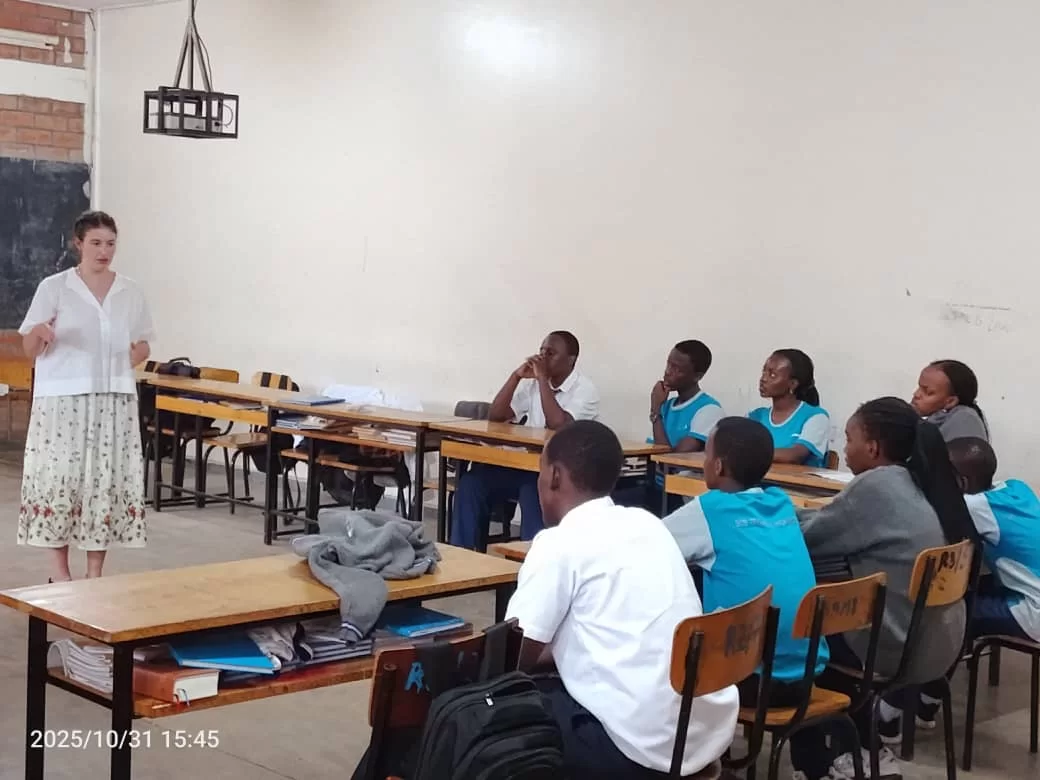
Raddock described her experience in Rwanda as “powerful” because of the opportunity to understand so intimately the subjects that she was learning about from afar. She has become close friends with her fellow teachers at the school she works at in Kigali, Rwanda’s capital, who have educated her on life in Rwanda and their experience of the genocide. “You can’t avoid talking about it, and people don’t want to avoid talking about it,” Raddock says.
It’s a true cultural exchange, with Raddock having frequent conversations about American political life with her colleagues. She introduces her younger students to American culture and current events through games like “Jeopardy,” and with older students, there are lots of hallway chats.
“They want to just ask me about what’s going on,” Raddock says. “Those are some of my favorite conversations.”
Wes DeOreo ’25, a Fulbright English teaching assistant in Lübeck, Germany, says that while the questions students ask him between classes — about fast food restaurants and the price of a driver’s license, among others — may seem bizarre or random at first, he has found a lot of purpose in thoughtfully responding to these cultural inquiries.
“For most of my students, I am one of a few Americans they have met, despite the massive cultural impact America has on Germany,” DeOreo says. “Acting as a cultural ambassador to America, and trying to show my students a fair and realistic image of my home, rather than what they may see in the news or the movies, has been one of the most rewarding aspects of my work so far.”
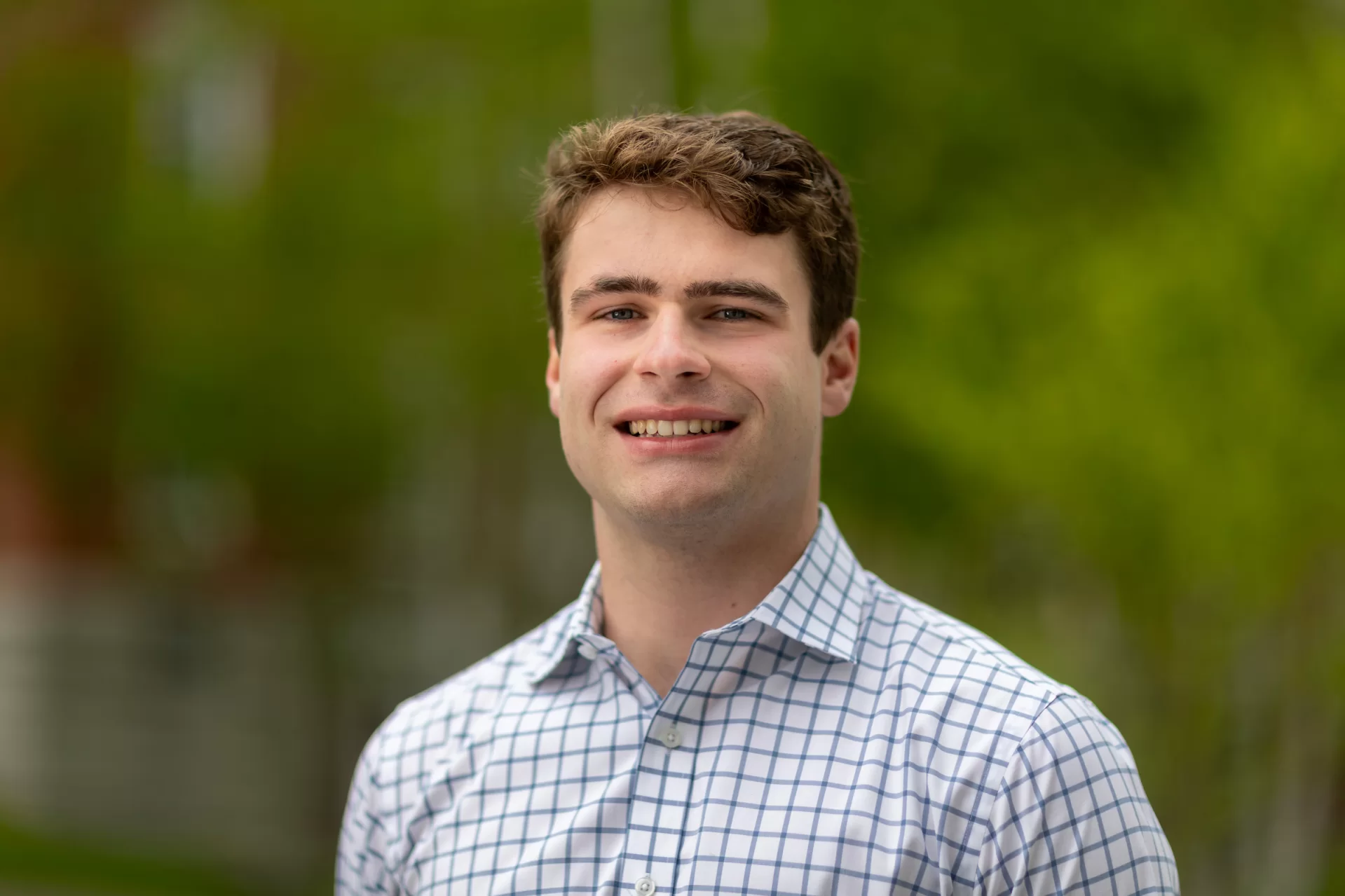
DeOreo majored in German and politics at Bates, and Associate Professor of German Jakub Kazecki mentored him throughout his academic and Fulbright application journey, encouraging him to apply and helping him with the application, as well as being the main “inspiration for [his] love of the German language.”
DeOreo had studied in Freiburg, Germany, so he wasn’t expecting to be as surprised by the differences between K-12 schooling in Germany and in the U.S. as he was when he began his Fulbright teaching assistantship. German approaches to K-12 education are much more relaxed, he says. “However, I’ve found this unique schooling culture to be helpful for teaching English, as it promotes casual conversation and informal learning.”
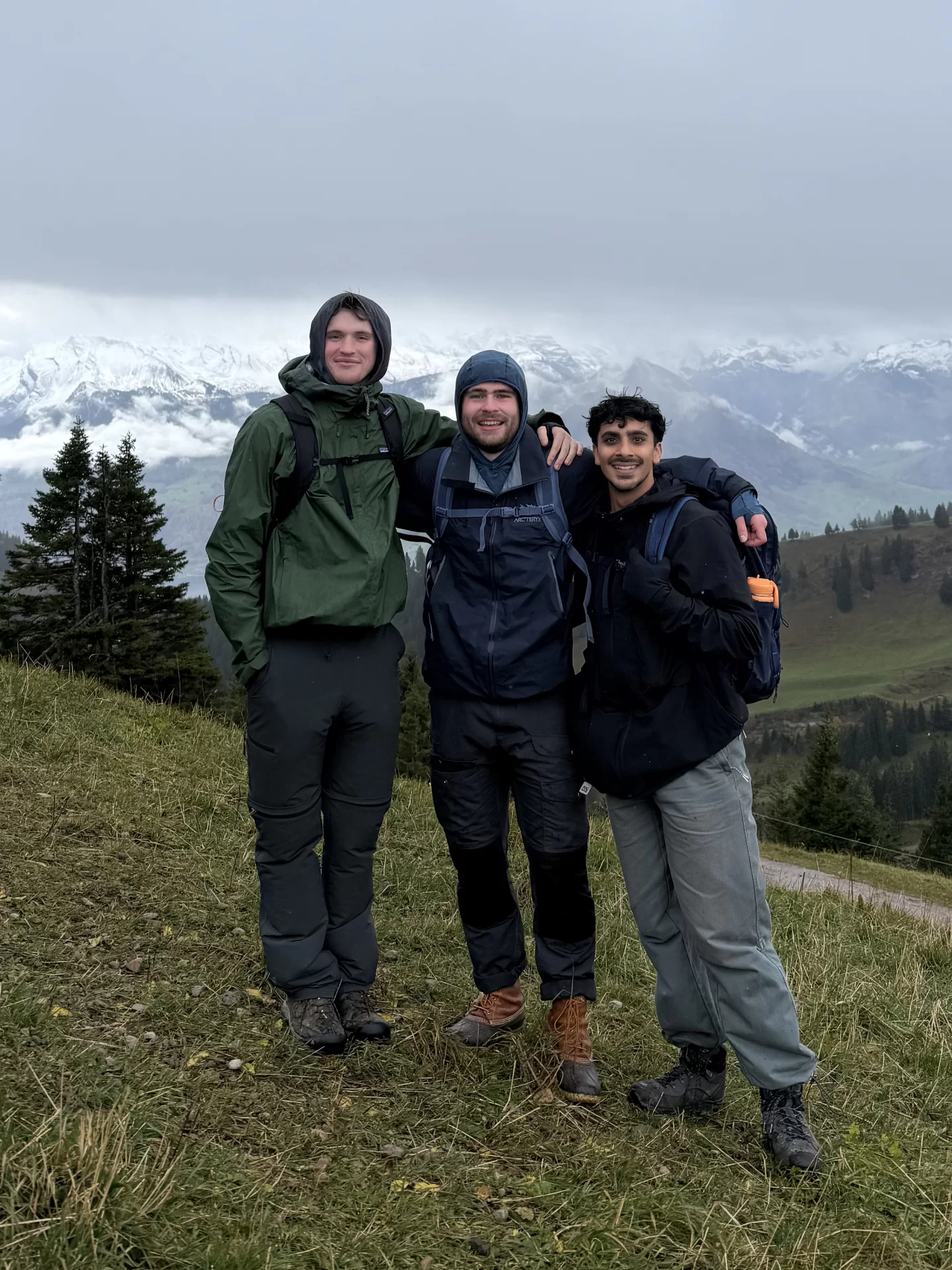
Although he’s living 300 miles away from Freiberg, DeOreo still occasionally makes the trip back to the town in Saxony to again play with the lacrosse team he joined during study abroad. He has further immersed himself into German culture by exploring the Schleswig-Holstein region on bike and attending cultural events, including the St. Martin’s Day parade marking the beginning of winter.
“We had done a similar thing at Bates in the German department, but it was really heartwarming to experience the real thing with my host teacher’s family,” DeOreo says.
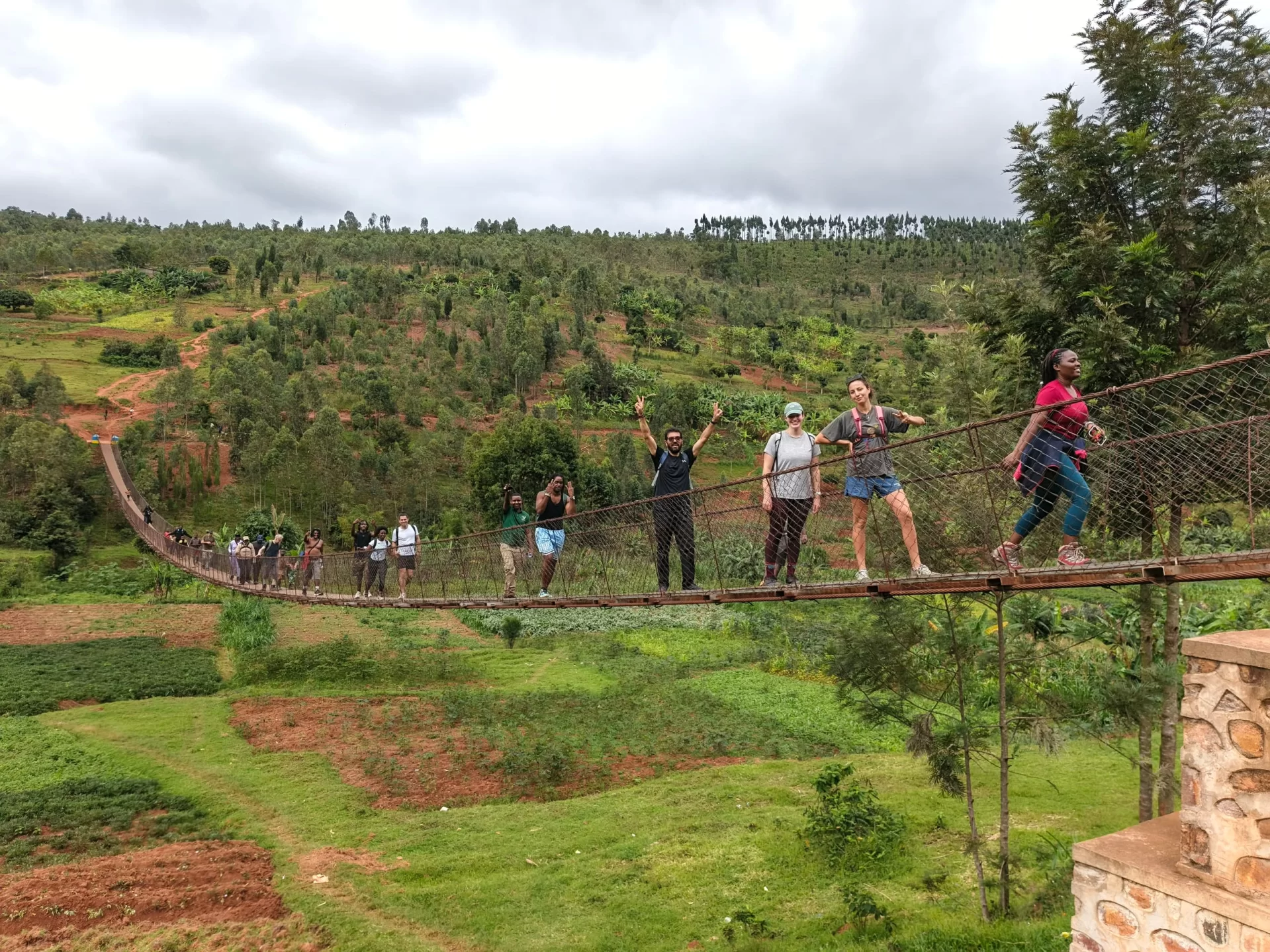
Raddock has started an English club at the school where she leads students in games, discussions, and debates. She joined a local hiking club and volunteers at the American Center, where she leads a community course on resumés, cover letters, and job interviews — an unexpected opportunity to use the skills she learned while working as a peer advisor at Bates’ Center for Purposeful Work for two years.
“Fulbright was such a dream of mine,” Raddock says. “For that dream to come true, and for me to be here now having the most amazing time — it’s the product of four years of really hard work and commitment.”
Categories BatesNews