Bates has once again been recognized for achievements in sustainability in the 2026 Sustainable Campus Index, produced annually by the Association for the Advancement of Sustainability in Higher Education (AASHE).
The index highlights colleges and universities that are leading the way in sustainable practices, both through overall impact and in specific areas of development. Bates ranked fourth among baccalaureate institutions for overall top performance in sustainability and, for the 10th consecutive year, earned a Gold rating for sustainability.
“Bates College being ranked as one of the top sustainability schools in the nation is akin to our Bates basketball team making it to the Final Four,” said Tom Twist, Bates assistant director of sustainability. “It’s a great validation of all the deliberate, cross-departmental work that Bates folks have sustained for decades.”
All rankings in the Sustainable Campus Index use the Sustainability Tracking, Assessment & Rating System 2.2 (STARS), a framework implemented by hundreds of institutions to measure, report, and improve their sustainability performance.
Bates’ sustainability data “really looks at every aspect of campus — from the percentage of sustainability classes we teach, to our carbon footprint, to our endowment, to student culture,” Twist said. “So it’s not hyperbole to say that we are being ranked on the sustainability of every department at Bates.”
Since first reporting its sustainability data with STARS in 2017, Bates has been included among the top 10 baccalaureate institutions four times and been recognized specifically for top performance in the Air & Climate and Energy categories.
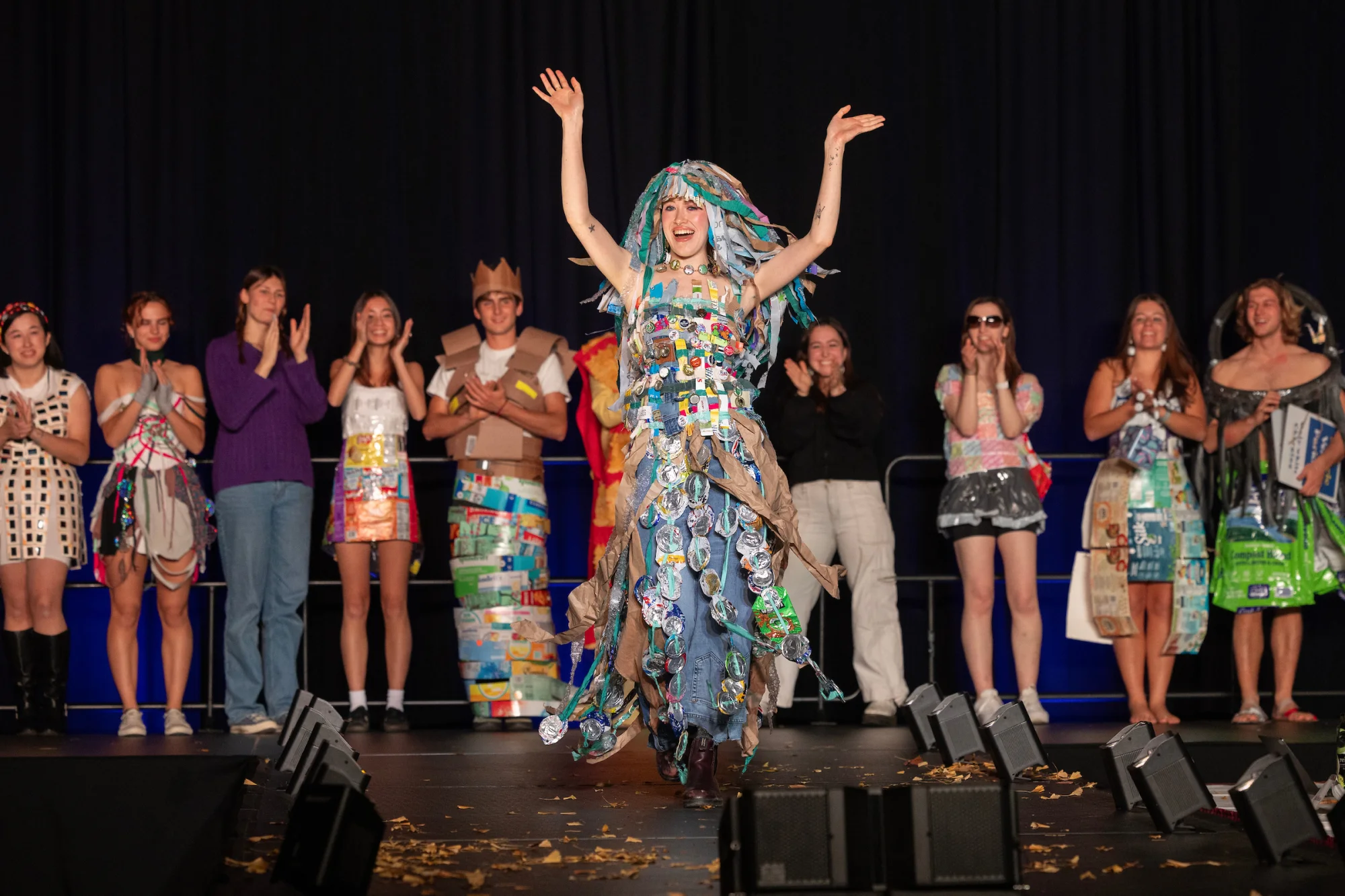
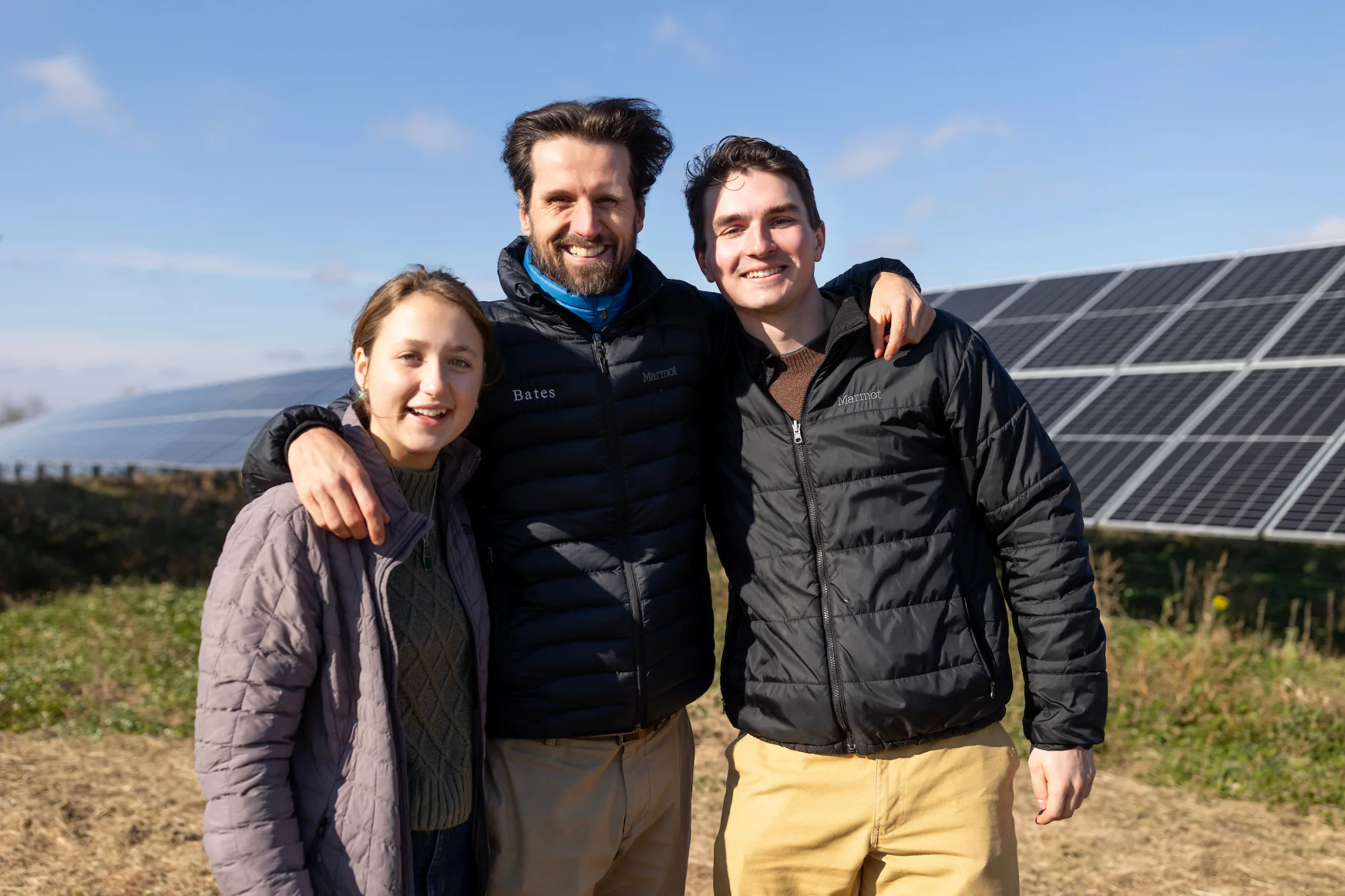
In 2019, Bates became carbon neutral, then one of only seven higher education institutions to have reached that milestone. Among Bates’ innovative sustainability initiatives are its EcoReps program, through which students work to promote environmentally responsible behavior on campus; its expansive solar array in Skowhegan, Maine, which accounts for about 75 percent of the college’s energy and generates significant savings on energy costs; and its Commons dining program that diverts 80 percent of its waste and utilizes produce grown in the on-campus, student-run garden.
“My hope is that we’ll use this momentum to keep innovating, keep reducing our environmental footprint, and keep training our environmental leaders of the future,” Twist said.

Bates’ next major sustainability goal, as outlined in the college’s Sustainability Roadmap, is to become climate positive, meaning the college will remove more carbon dioxide from the atmosphere than it emits, by 2030. Sustainability considerations play a major role in all campus construction, and Bates’ forthcoming Stoddard Center for Fitness and Well-Being, slated to open fall 2027, will be representative of the college’s sustainability innovations. Fitted with solar panels, the building’s energy use intensity — a measurement of energy used per square foot — will be about 75 percent lower than other campus buildings.
Categories BatesNews