PATA 2027 Himalaya Paleoseismology Workshop
Paleoseismology, Active Tectonics and Archaeoseismology supported by INQUA TERPRO Commission’s CHAMP Project
January 24-27, 2027 Ramnagar, Himalayas
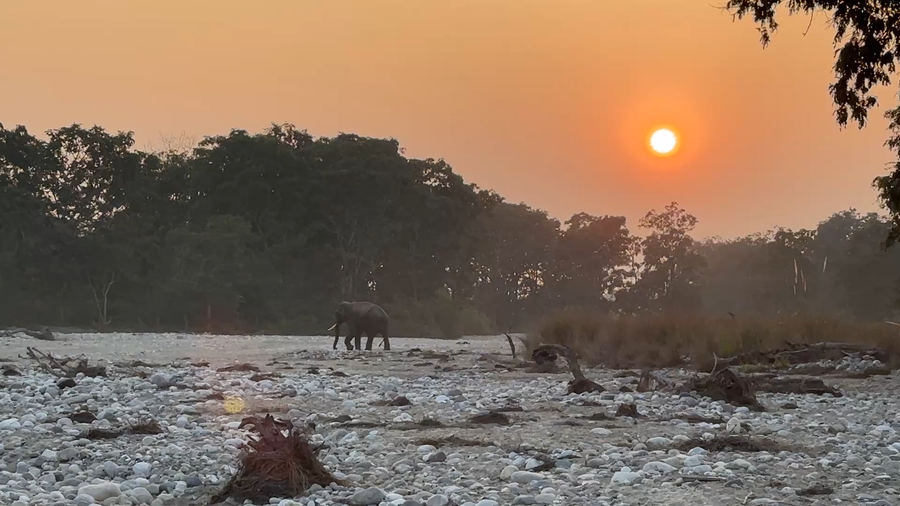
The PATA 2027 Himalaya Paleoseismology Workshop will mark the first time that a PATA event is being held in India, and we are honored and excited to host it.
During the workshop, participants will be introduced to the active tectonics and paleoseismology of the Himalayan Frontal Thrust (HFT) and the broader Himalayan region. The workshop will provide opportunities to explore active faulting, earthquake geology, paleoseismic investigations, and the tectonic processes responsible for the ongoing deformation of the Himalayas.
The Himalayas are among the most active continent–continent collisional mountain belts on Earth, formed by the ongoing convergence and collision between the Indian and Eurasian plates. This convergence is accommodated primarily along the Main Himalayan Thrust (MHT), a major décollement that separates the actively deforming Himalayan wedge from the underthrusting Indian plate. At the southern front of the mountain belt, the Himalayan Frontal Thrust (HFT) represents the active surface expression of this tectonic system and accommodates ongoing deformation and earthquake-generating strain. This setting provides a unique opportunity to investigate upper-plate earthquakes and their relationship with surface processes over Quaternary timescales.
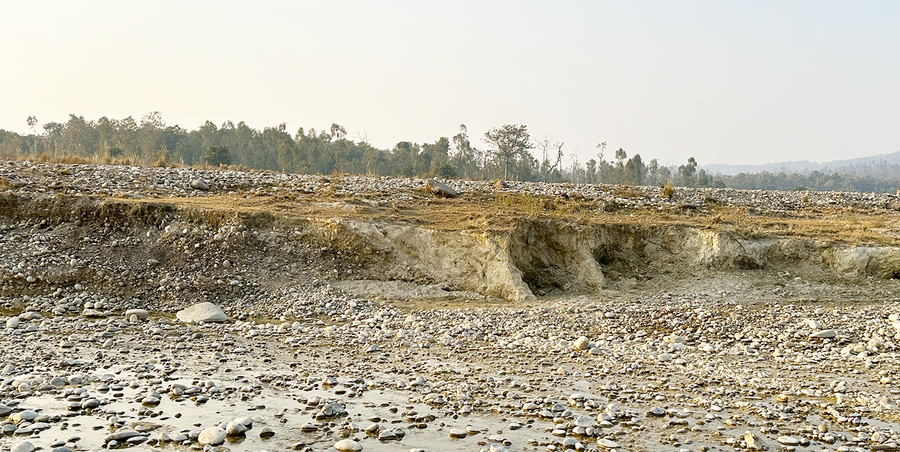
Capacity for 30 Participants
Venue: Ramnagar, Uttarakhand
Ramnagar is a town in the Kumaon region of Uttarakhand, northern India, located at the foothills of the Himalayas. The town is situated along the Kosi River and is widely known as an important gateway to Jim Corbett National Park, one of India’s most important wildlife and conservation landscapes.
Coordinating Institutions

Organizing Committee