German and Russian Studies at Bates
The Department of German and Russian Studies explores the interconnections between history, society, culture, and language within German- and Russian- speaking countries.
The department offers a German major, a German minor, and a Russian minor. In the German studies program, students will learn German and gain a full 360-degree view on German culture. In the Russian studies program, students will focus on the Russian language as well as gain insight into the region through a variety of cultural works, both in Russian and in translation.
Contact Us
Indya Childs, Academic Administrative Assistant
9 Andrews Road, Lewiston, ME 04240
Roger Williams
Phone: 1-207-786-8293
ichilds@bates.edu
What You Will Learn

The German or Russian language through original materials, including literary texts, films, speeches, and interviews

How to think critically and make interdisciplinary connections

To practice the German or Russian language beyond the classroom by speaking with fellow students and faculty at regularly held conversational tables

Analytical and public speaking skills through presentations at Bates and at regional and national conferences

An appreciation for the richness and diversity of the German and Russian-speaking worlds

The skills and sensitivity needed to be a global citizen
Life After Bates
Students from the German and Russian studies department are regularly awarded Fulbright English Teaching Assistantships, prestigious national grants to live, work, and teach abroad for a year after graduation. Graduates go on to attend graduate school and embark on successful careers in a variety of fields, including international business and trade, government, law, and NGOs, as well as the arts, culture, and media.
94%
of 2020-2024 Bates graduates are employed and/or attending graduate school — settled into their next opportunity within 6 months of graduation.
Selected Places of Employment/Service
- Barclays
- Nativity Preparatory School
- Cetrulo LLP
- Dr. Jorge Alvarez High School
- The Windward School
- Fulbright
Selected Graduate Schools
- Medical School Berlin
- Columbia University
- Georgetown University
- Harvard University
- Boston College
- Johns Hopkins University
- Bentley University
Why Study German and Russian Studies at Bates?
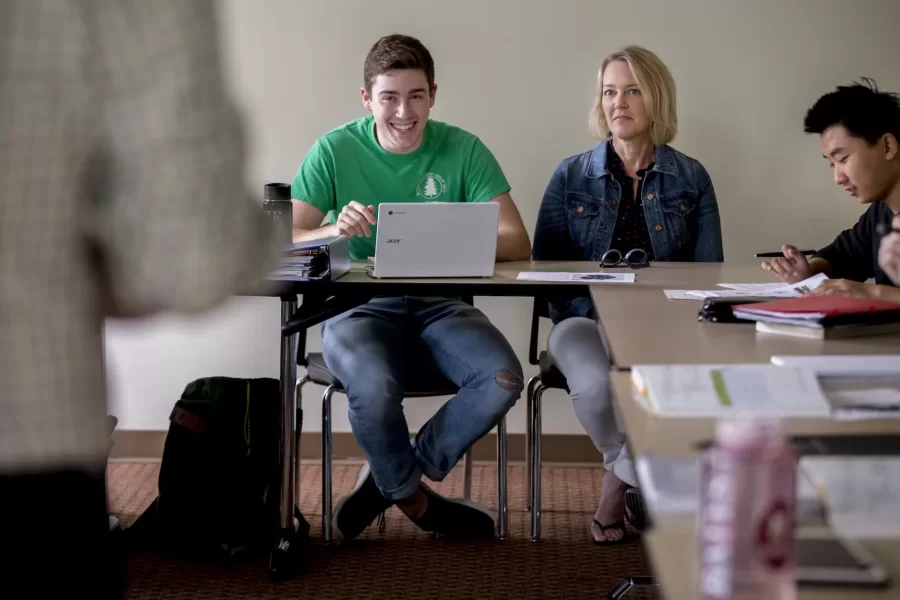
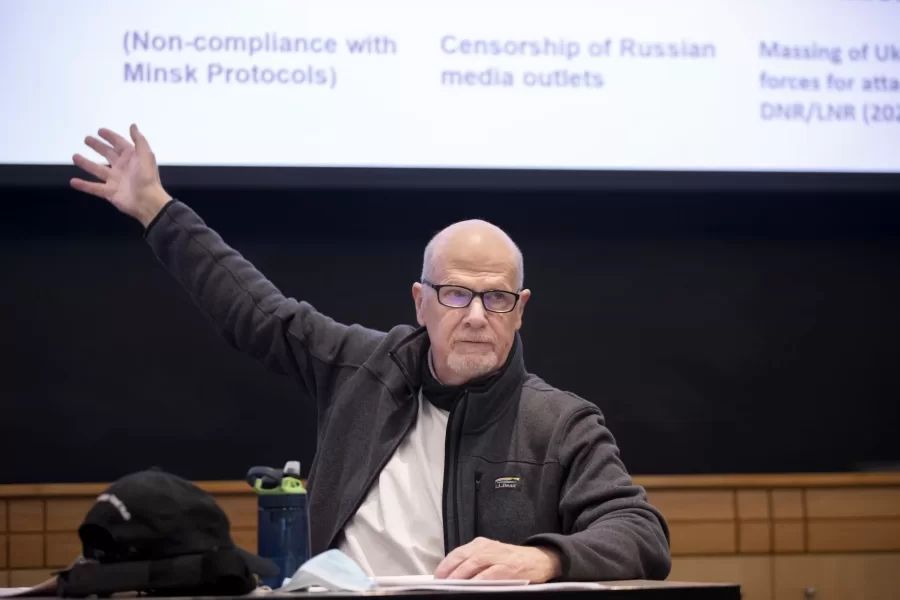
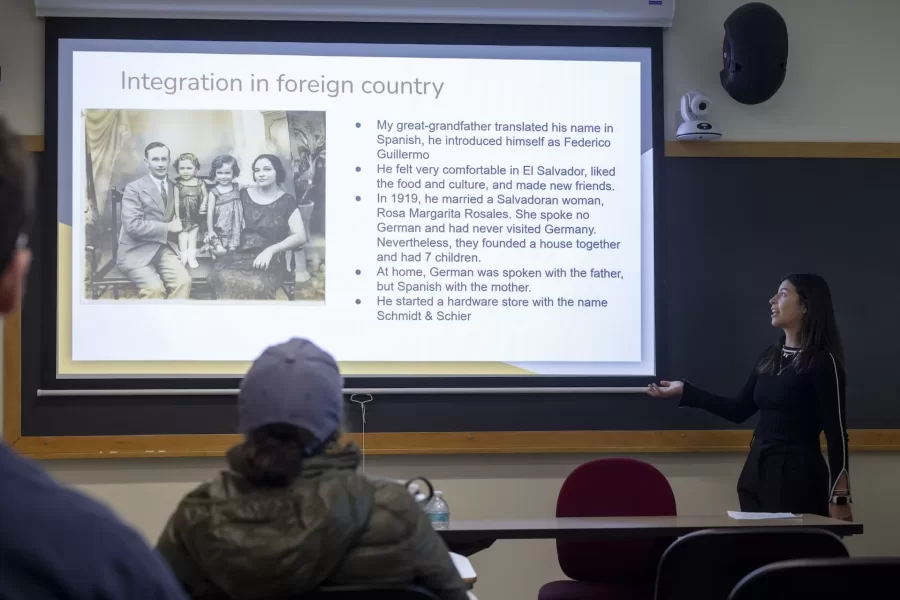
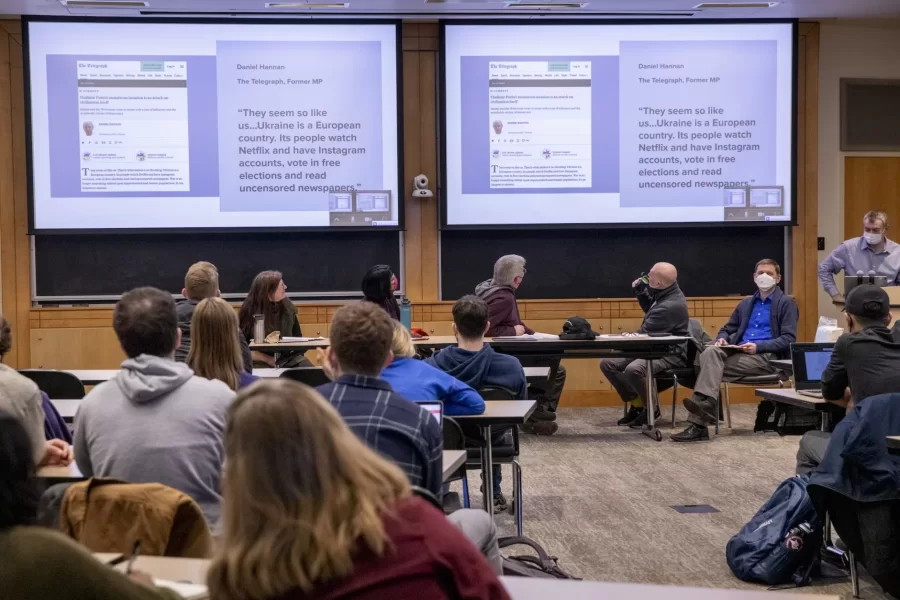
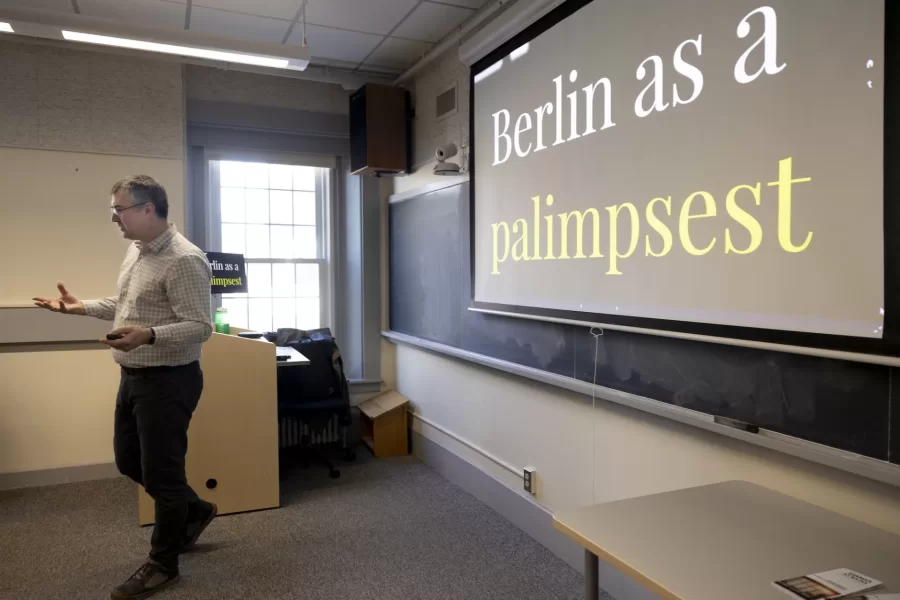
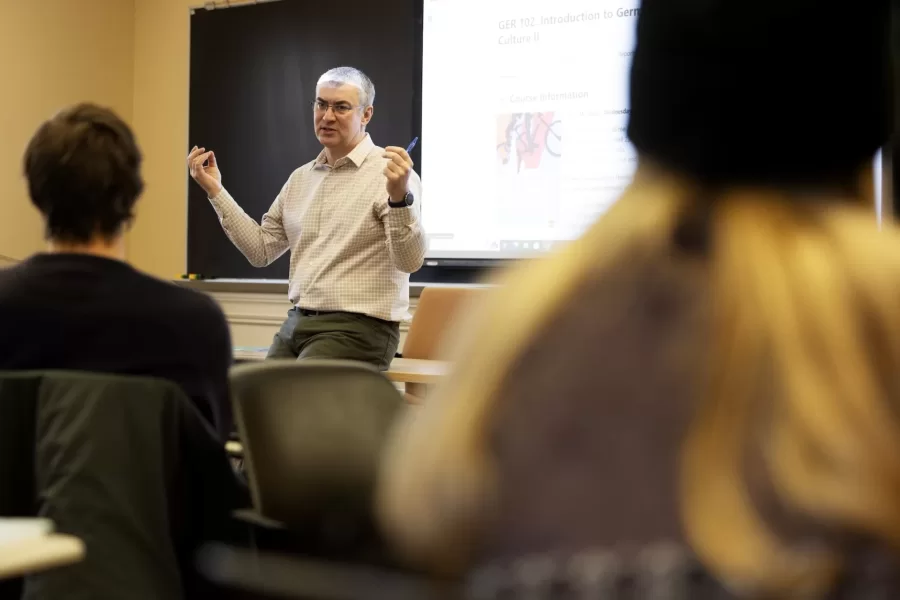
The German and Russian studies department offers a highly personalized academic approach, featuring small, engaging classes and one-on-one mentorship with faculty. The department is for everyone, regardless of prior language experience. Students new to these languages start in introductory courses, while those with previous knowledge will be placed at the appropriate level. In addition, students have the opportunity to study abroad and can apply for summer research assistantships, where they will work directly with faculty.