History at Bates
The past is everywhere around us, baked into the structures, narratives, and questions that shape our society.
The Department of History at Bates centers on exploring the past and how it helps us better understand our present. Students examine evidence left by those who lived before us in order to make sense of their decisions and how and why societies change.
Contact Us
Karen Melvin
Thomas Hedley Reynolds Professor of History
Pettengill Hall
kmelvin@bates.edu
What You Will Learn

To hone your ability to evaluate evidence

How to construct well-reasoned arguments

To communicate your findings clearly for a diverse audience

To understand how systems of domination and oppression were created and sustained

To produce research that could be presented at conferences or published in journals of undergraduate research

To understand past worlds, from ancient Rome to the U.S., China, Latin America, Africa, and Europe
Life After Bates
History majors graduate from Bates informed thinkers ready to contribute to their communities and to thrive in their lives. The skills they’ve learned transfer readily to history-related fields, such as teaching and museum work, but also to a limitless range of professions. Students have gone on to top graduate and professional programs, attended Oxford as Marshall scholars, and served around the world as Fulbright grantees. Very many attend top law schools and go on to work for top firms. Recent majors are also flourishing as engineers, doctors, journalists, public health experts, and corporate executives.
94%
of 2020-2024 Bates graduates are employed and/or attending graduate school — settled into their next opportunity within 6 months of graduation.
Selected Places of Employment/Service
- Department of Justice
- Goldman Sachs
- Pfizer
- National Park Service
- Analysis Group
- Forbes
- United States Senate
- JP Morgan Chase & Co
- Federal Reserve Bank of Boston
Selected Graduate Schools
- University of Oxford
- Harvard University
- University of Pennsylvania
- University of California, Berkeley
- Duke University
- Northwestern University
- University College London
- University of Edinburgh
- Emory University
- Vanderbilt University

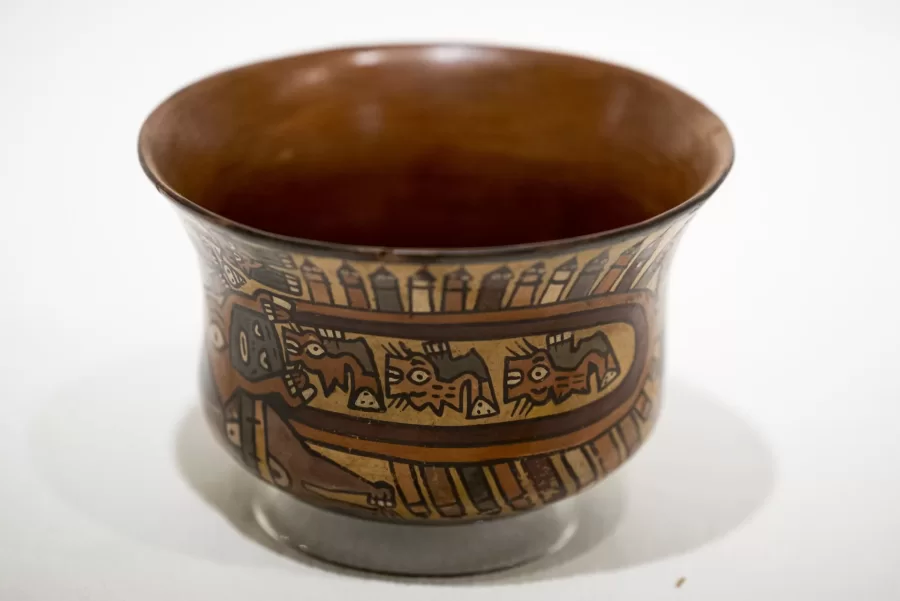
Why Study History at Bates?
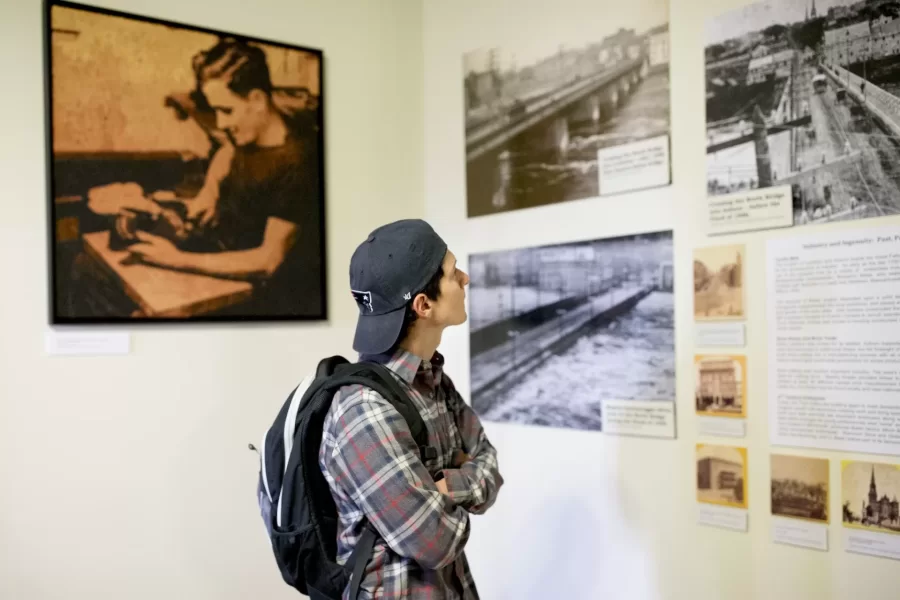
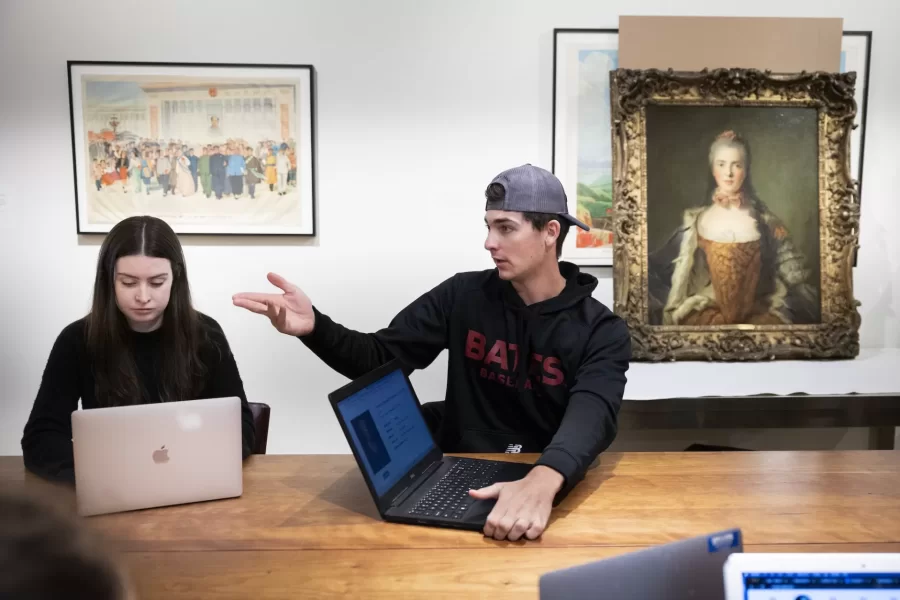
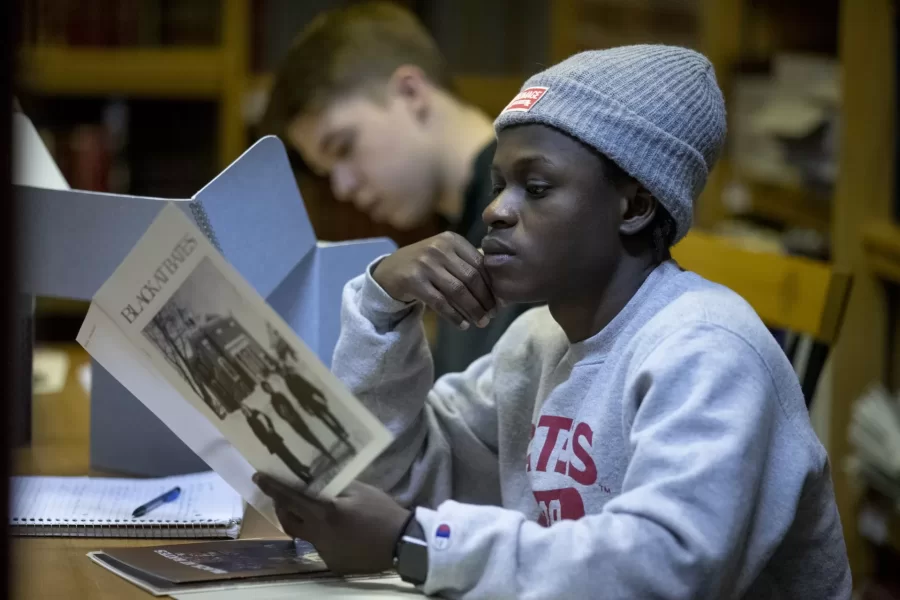
The history major guides students through a globe’s worth of history, from ancient Rome to the modern-day United States, from China and Latin America to Africa and Europe. Students work closely with faculty, partnering on research topics of their choosing to complete a senior thesis. You’ll have the chance to hold history in your hands in our on-campus archive and venture to museums during study abroad semesters. We prioritize making learning about history accessible to all students, so few of our courses have prerequisites; interested students are able to take almost any history class, even at the 200 and 300 levels.