Nine members of the faculty have received promotions, including seven tenure awards, effective Feb. 6. The promotions were recommended by the Faculty Personnel Committee and approved by the Bates College Board of Trustees.
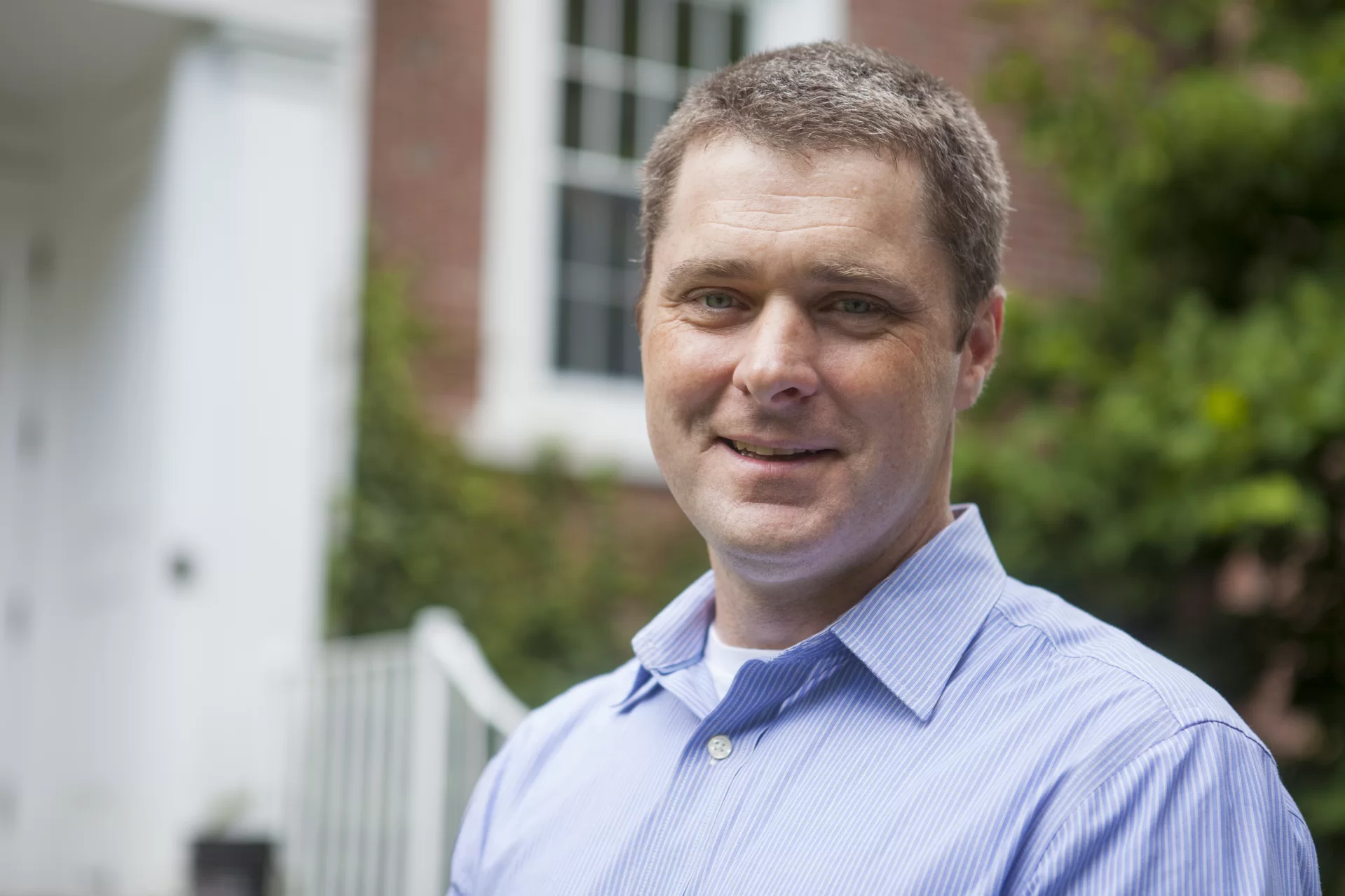
Brett A. Huggett, who joined Bates in 2014, has been promoted to professor of biology. Huggett, in addition to teaching courses on dendrology — or tree science — also serves the faculty liaison for women’s cross country and is the chair of the department. Huggett is often found taking his students out of the classroom in order to understand what can be learned about responses among tree species to long-term or seasonal stress factors.
Huggett initially set out to be a jazz guitarist, earning a B.A. from Temple University in music. But when he hiked the Appalachian Trail after college graduation, he emerged with new ideas about his career. A circuitous route brought him to Bates. After working as a teacher and naturalist for the Massachusetts Audubon Society; a ranger and land manager for the town of Lincoln, Mass.; and a curatorial and lab assistant at the Harvard University Herbaria, Huggett eventually earned a master’s degree in forest biology from the University of Vermont, and a doctorate in organismic and evolutionary biology from Harvard.
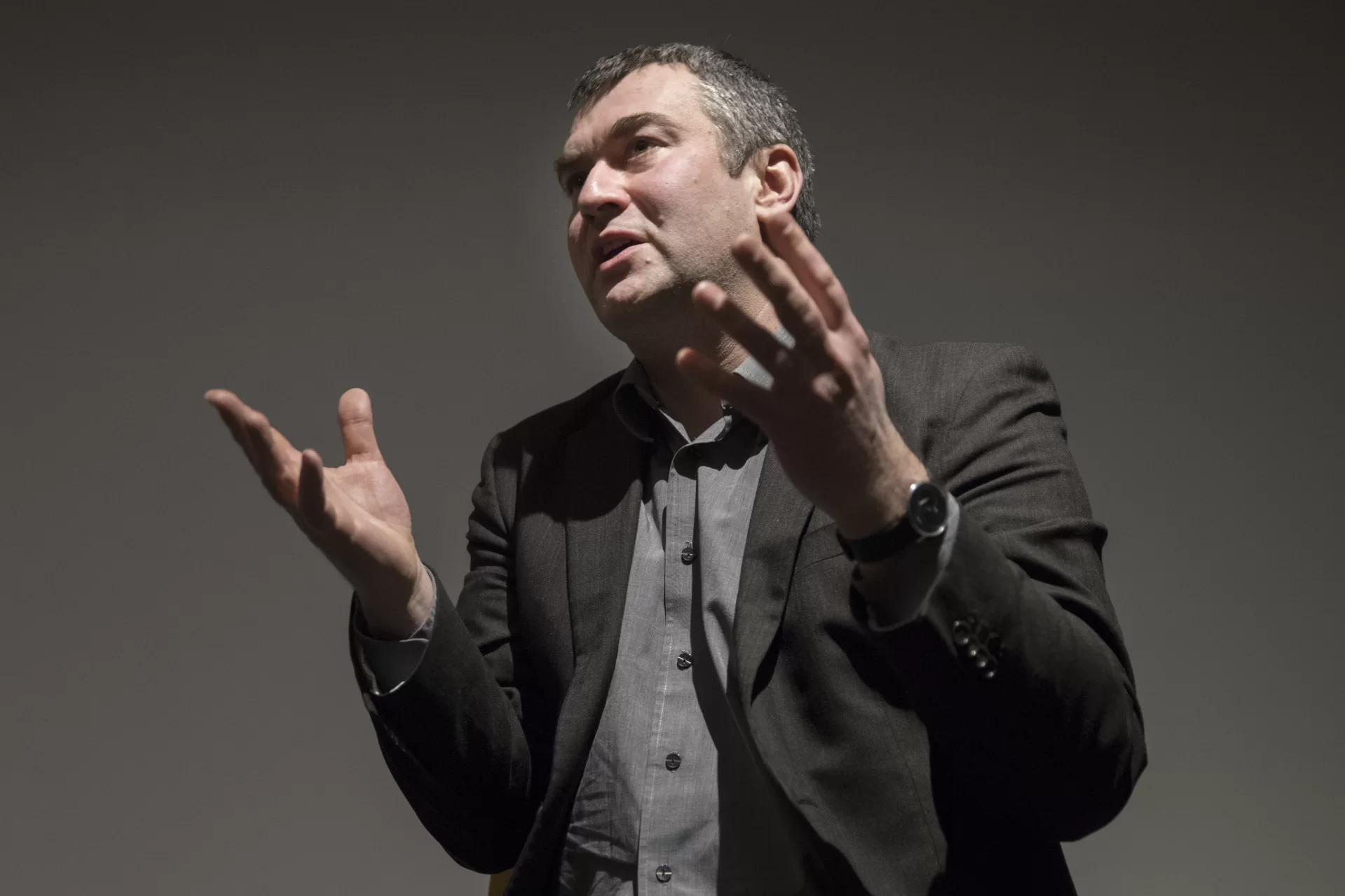
Jakub Kazecki, who joined the Bates faculty in 2012, has been promoted to professor of German. Kazecki teaches a range of courses from introductory language courses to seminars like “Weimar and Berlin: German Culture in European Context.” In his recent First-Year Seminar, “Humor and Laughter in Literature and Visual Media,” Kazecki led students to consider the uses of humor not only in texts, but also in relationships.
His foundational research focuses on World War I military literature and the intersection of humor with serious literary genres. This work is found in his monograph Laughter in the Trenches: Humour and Front Experience in German First World War Narratives (2012). His upcoming monograph, Framing Neighbors: Poland in German Cinema after 1989, analyzes the depictions of Poland in German film, documenting the evolution from colonially-coded spaces to sites of creative hybridity. Kazecki is currently the chair of the Department of German and Russian Studies
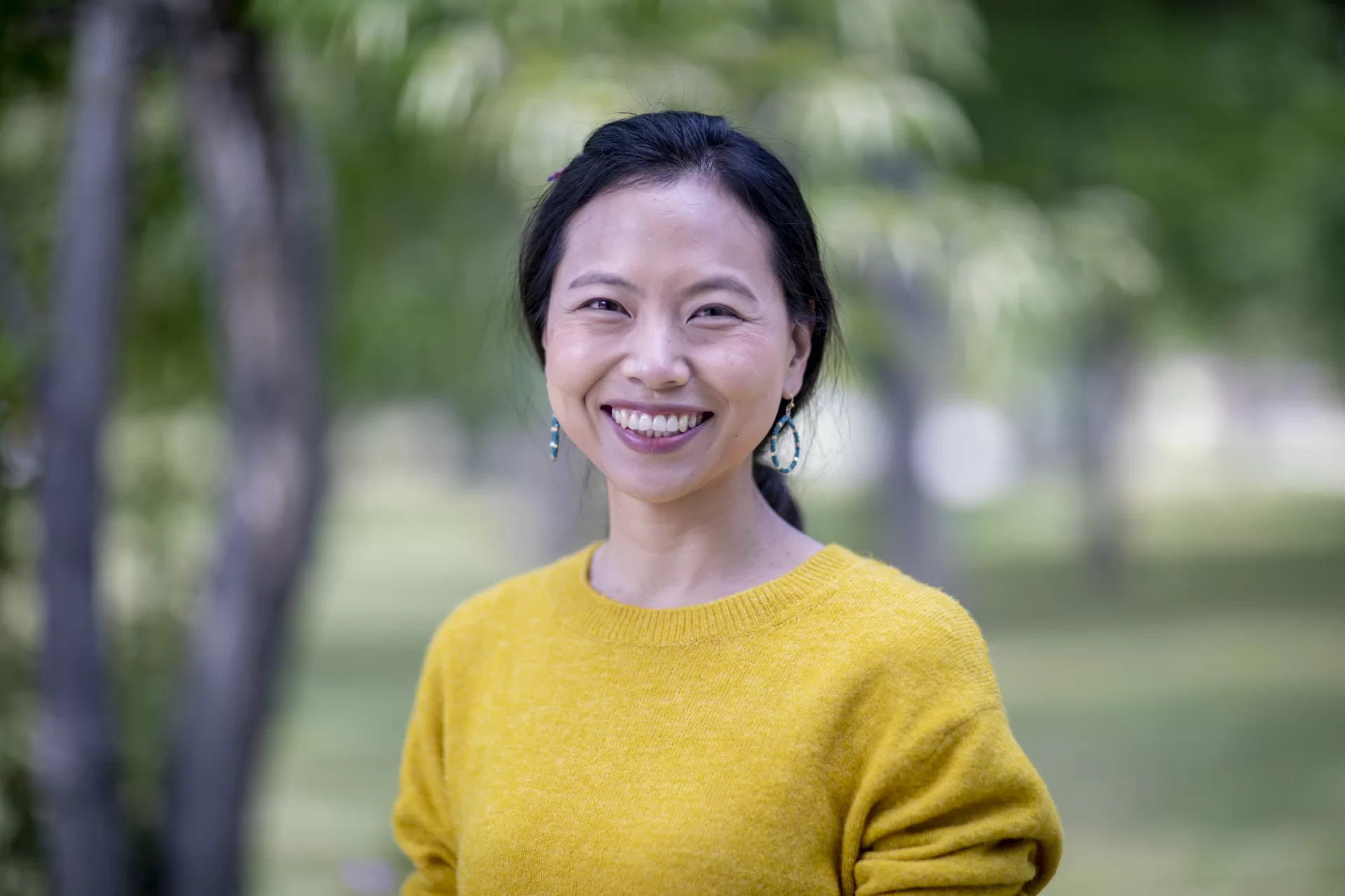
Yunkyoung L. Garrison, who joined Bates in 2020, was granted tenure and promoted to associate professor of psychology. Garrison’s work in and out of the classroom centers on psychological well-being and vocational outcomes among people of color and immigrant and refugee communities. Garrison is a licensed psychologist, providing clinical services in the community.
In addition to her work directly linked to psychology, Garrison has worked with Maine Community Integration, a Somali woman-led organization serving Somali girls, women, and families, and other refugees in Lewiston. Along with Bates students, Garrison and Somali community leader Fowsia Musse have created written and visual artworks, weaving in fabrics that symbolize resilience across generations and continents. This project, “Ka Bogso,” received the Award for Outstanding Community Project from the Harward Center in 2025. A scholar-activist, Garrison wants her research to be a “catalyst for individual and societal change.”
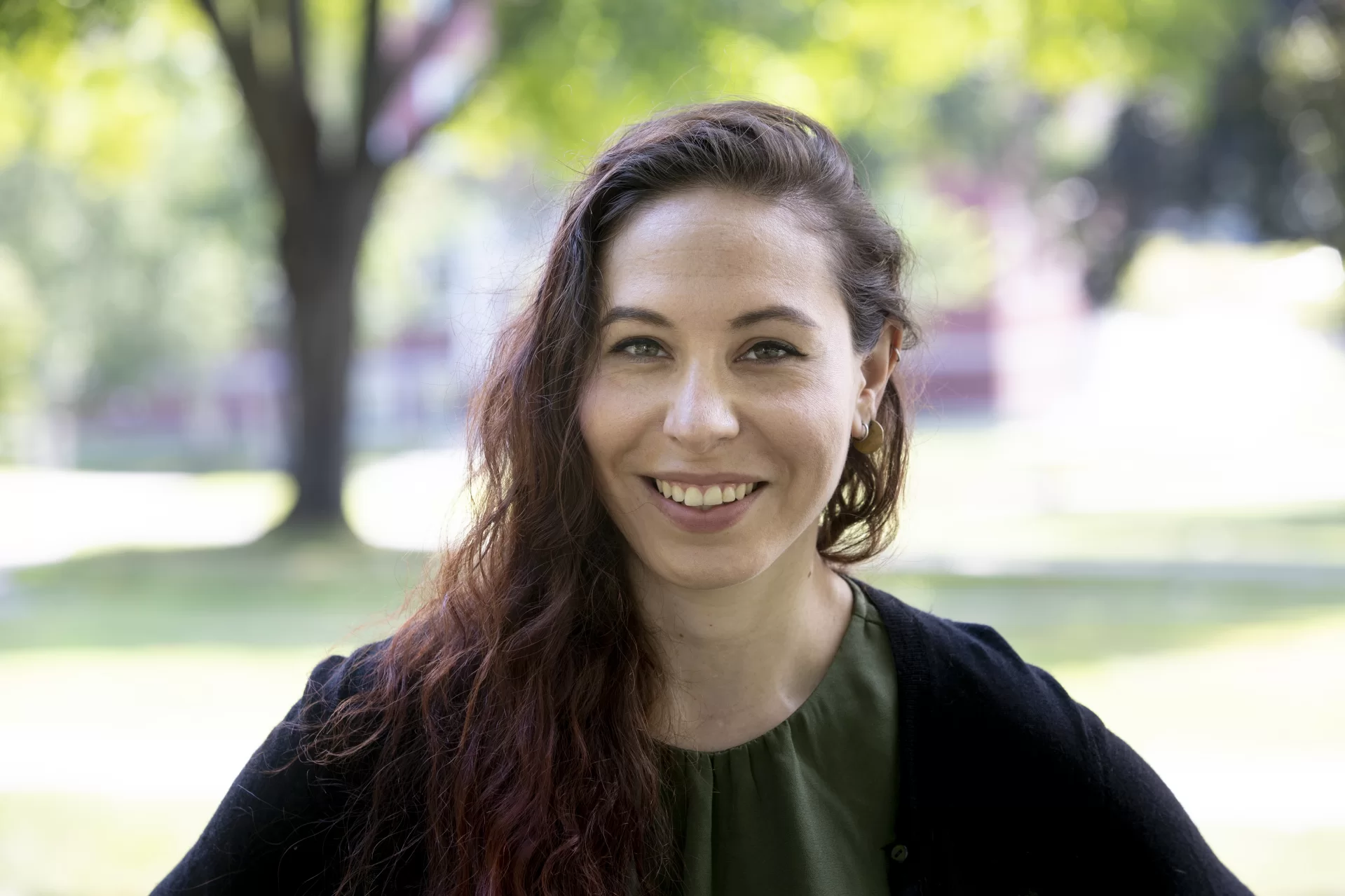
Lisa R. Gilson joined the Bates faculty in 2020 and was tenured and promoted to associate professor of politics. Gilson teaches courses on social movements, Black political thought, literature and politics, and democratic theory. Her work focuses on political reaction that rejects institutional paths toward change, from abolitionist movements to contemporary far-right groups.
A political theorist, she is working on a book about the relationship between such social movements and social critics, including artists and writers, and the idea that the various political actors involved in a movement “are each doing particular kinds of things. Each has strengths that are particular to what kind of organizing they’re doing and what kind of protest they are doing.” Gilson has been published in the American Political Science Review, Political Research Quarterly, American Political Thought, and Perspectives on Politics. She received her Ph.D. in political science from Yale University, and prior to her arrival at Bates, was a postdoctoral fellow at Harvard.
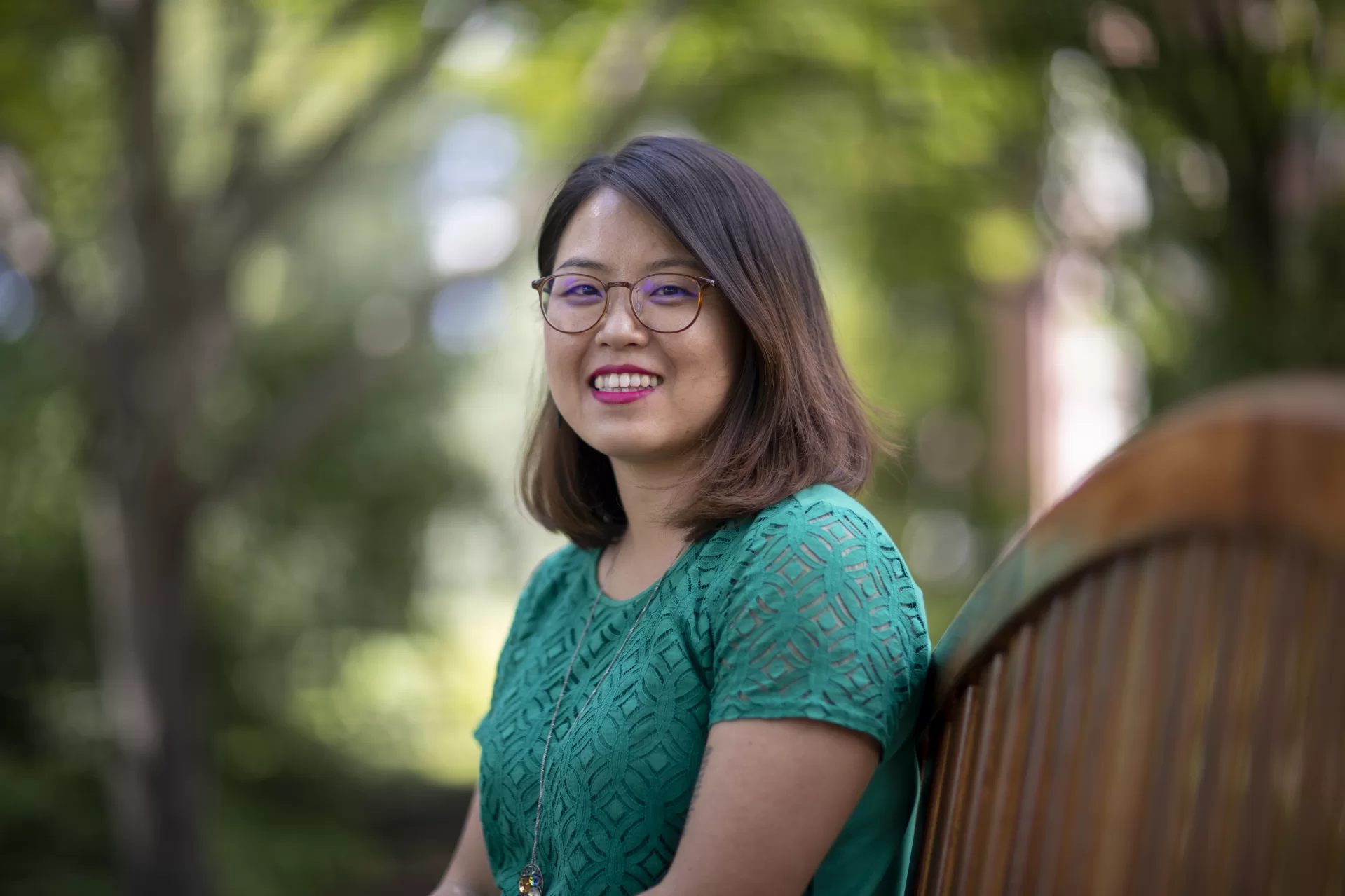
Seulgie Claire Lim, who specializes in comparative politics and international relations, was granted tenure and promoted to associate professor of politics. Her research focuses on gender equality; women’s political movement and participation in West Africa, specifically in Senegal; and African feminism and the interactions between politics and Islam. Lim grew up in Mauritania in West Africa, where her family moved from South Korea.
Lim received her Ph.D. in political science from Boston University with a certificate in African studies in May 2020 and began working at Bates that fall. She has been the representative of the Emerging Scholars Network for the African Studies Association Board of Directors since 2024. Lim’s courses include “Politics of Sub-Saharan Africa” and “Gender, Power, and Politics.”
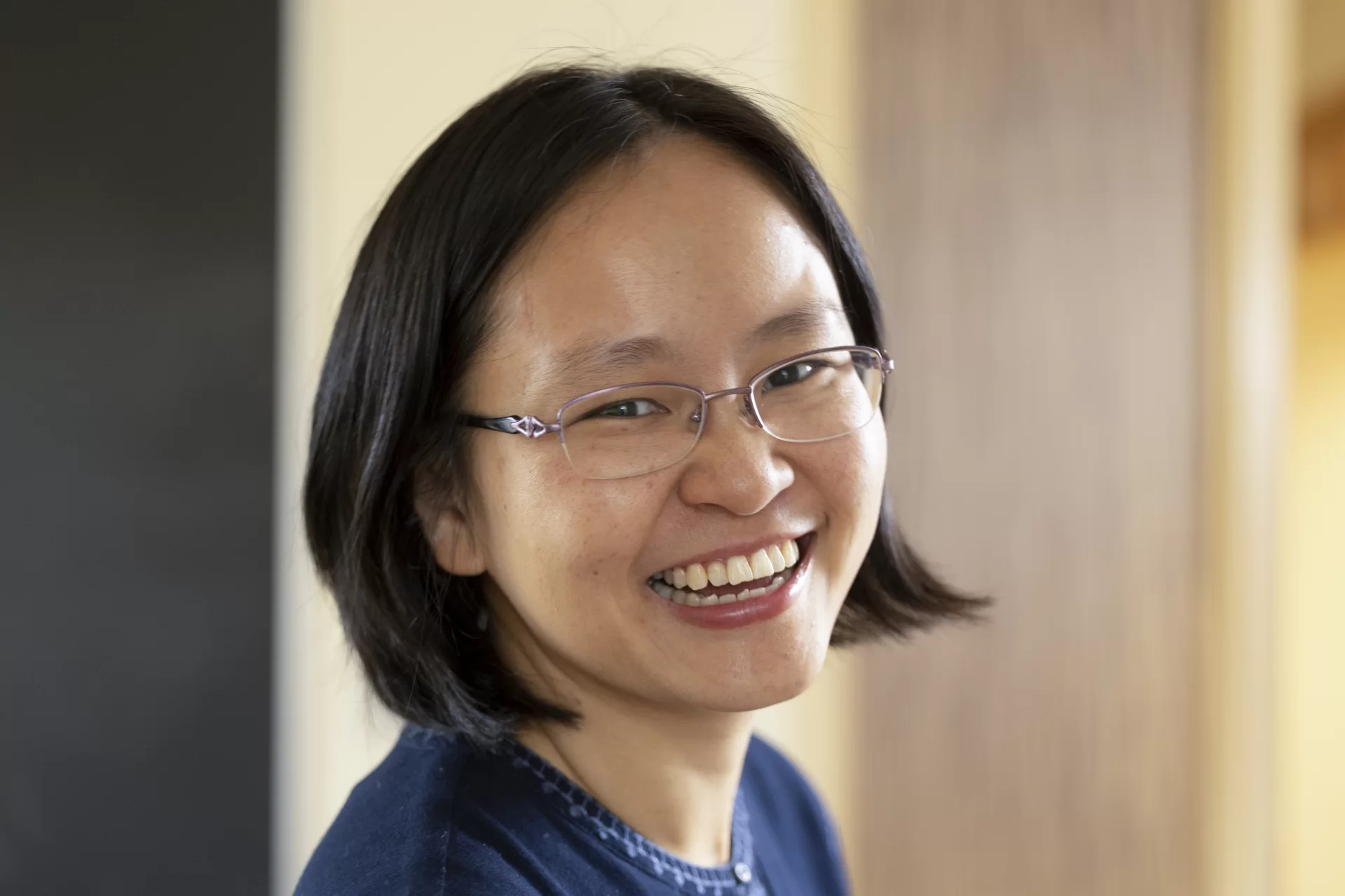
Zhenzhen Lu, scholar of Chinese literature and culture, was tenured and promoted to associate professor of Chinese. Lu’s work focuses on the practices of reading, writing, publishing, and performance in the 16th to 19th centuries. Her book, The Vernacular World of Pu Songling: Popular Literature and Manuscript Culture in Late Imperial China (Brill, 2025), examines a diverse body of local writings in the manuscripts of village scholars from Shandong in northern China.
Before coming to Bates, Lu was a researcher at the Centre for the Study of Manuscript Cultures at the University of Hamburg in Germany, a visiting scholar at New York University, and a lecturer at the University of Pennsylvania, where she received her Ph.D. At Bates, Lu teaches a wide range of courses in Chinese language, literature, and culture.
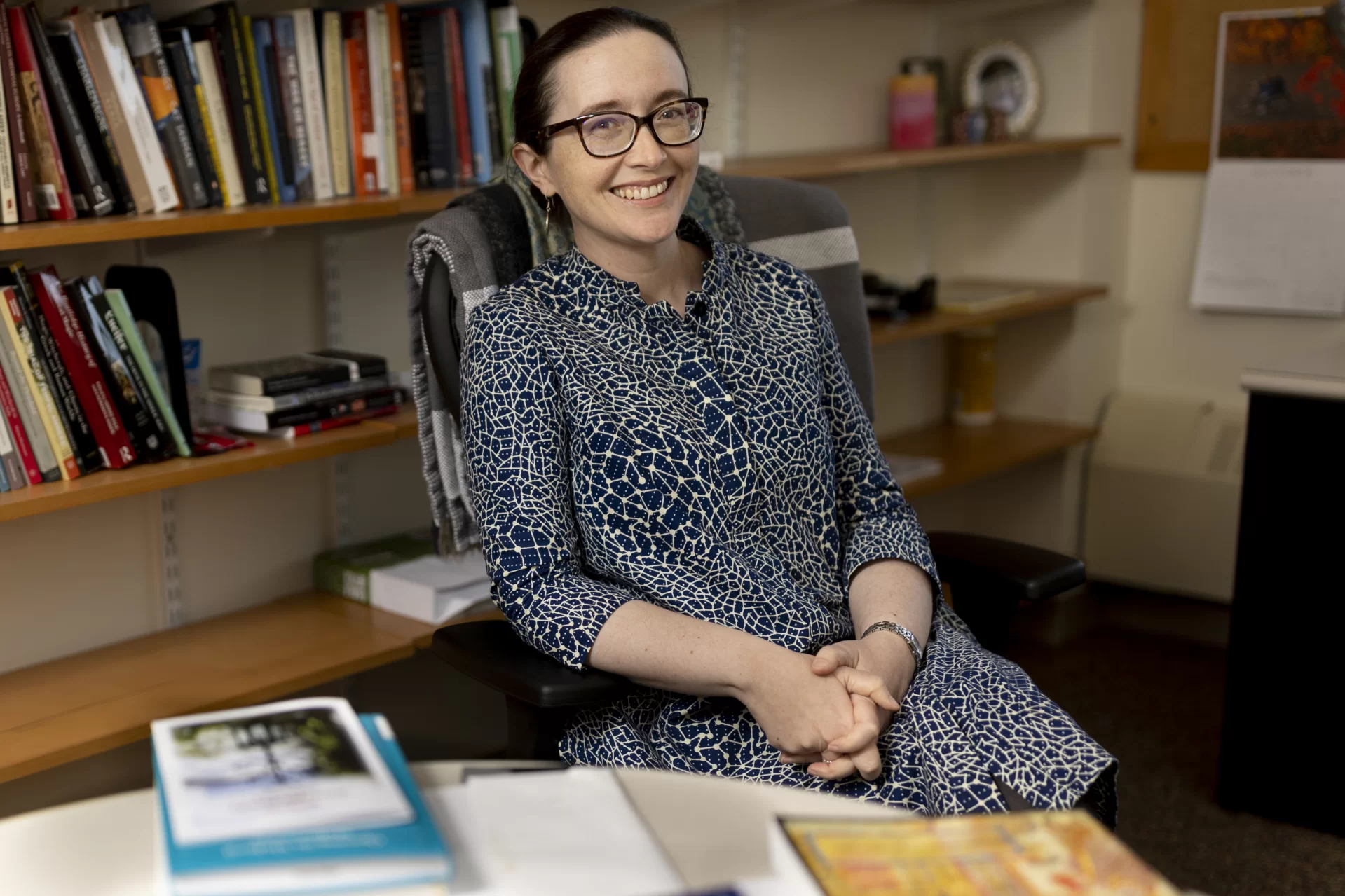
Sarah B. Lynch, who teaches courses in classical and medieval studies and history, was tenured and promoted to associate professor. Lynch’s work focuses on the social and cultural history of the Middle Ages, particularly through the lens of medieval education, tracing the lived experiences of teachers and pupils and the impact of education on society. Lynch has published two books on this research, Elementary and Grammar Education in Late Medieval France: Lyon, 1285–1530 (Amsterdam University Press, 2017) and Medieval Pedagogical Writings: An Epitome (Kismet Press, 2018).
Currently, Lynch is researching how seasonal festivals and rituals helped create, maintain, and remake communities in western Europe between the 12th and 15th centuries. Lynch joined Bates in 2022 and teaches introductory classes on the Middle Ages, as well as classes on medieval education, magic and the supernatural in the Middle Ages, and the medieval year.
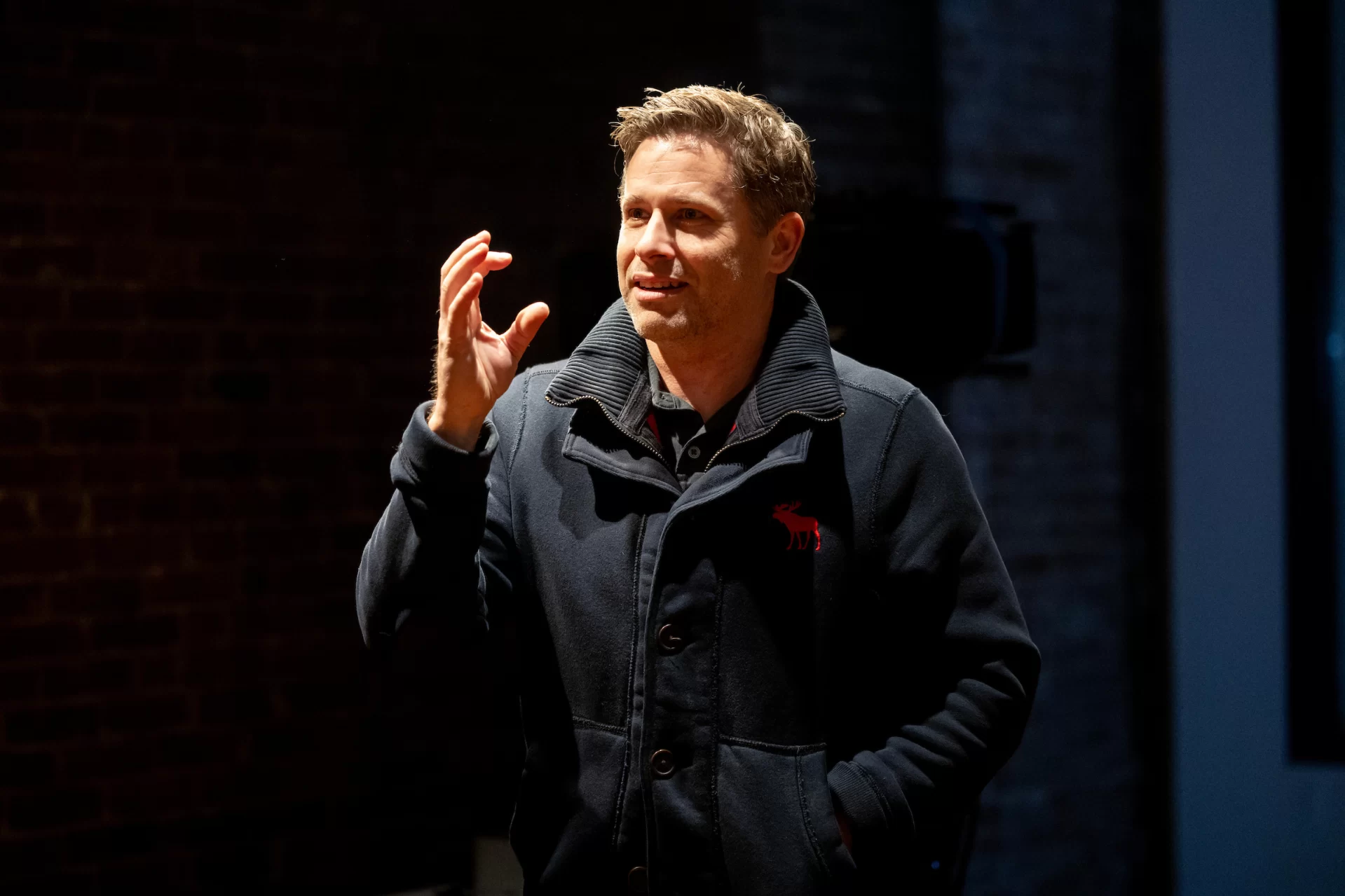
Courtney P. Smith, who joined the faculty at Bates in 2024, was granted tenure as an associate professor. Smith is a lighting and production manager and digital media designer, whose work spans many genres and media including live theater, dance, television, film, and events. Smith’s designs have received several awards from the Kennedy Center American College Theater Festival. Additionally, his work received a “Distinguished Achievement Award in Design” from the Kennedy Center in Washington, D.C. Smith’s work has been seen in theaters from coast to coast and internationally, and some of his notable projects include work for Victoria’s Secret, Mercedes-Benz Fashion Week, and window display design and fabrication for Saks Fifth Avenue.
Smith brought this experience to Bates last fall when his course, “Introduction to Digital Media,” cross-listed between theater and digital and computational studies, created a digital portrait of Lisbon Street dating back to the days of electric trolley cars. Fifteen students looked at the street’s rich history, diving deep into archival material at the Edmund S. Muskie Archives and the Androscoggin Historical Society. Smith was also essential in the Fall 2025 production of Metamorphoses, which was a technical feat involving filling a pool in Schaeffer Theatre. Smith is a member of the United States Institute for Theatre Technology and has an MFA in design and technology from the University of Idaho.
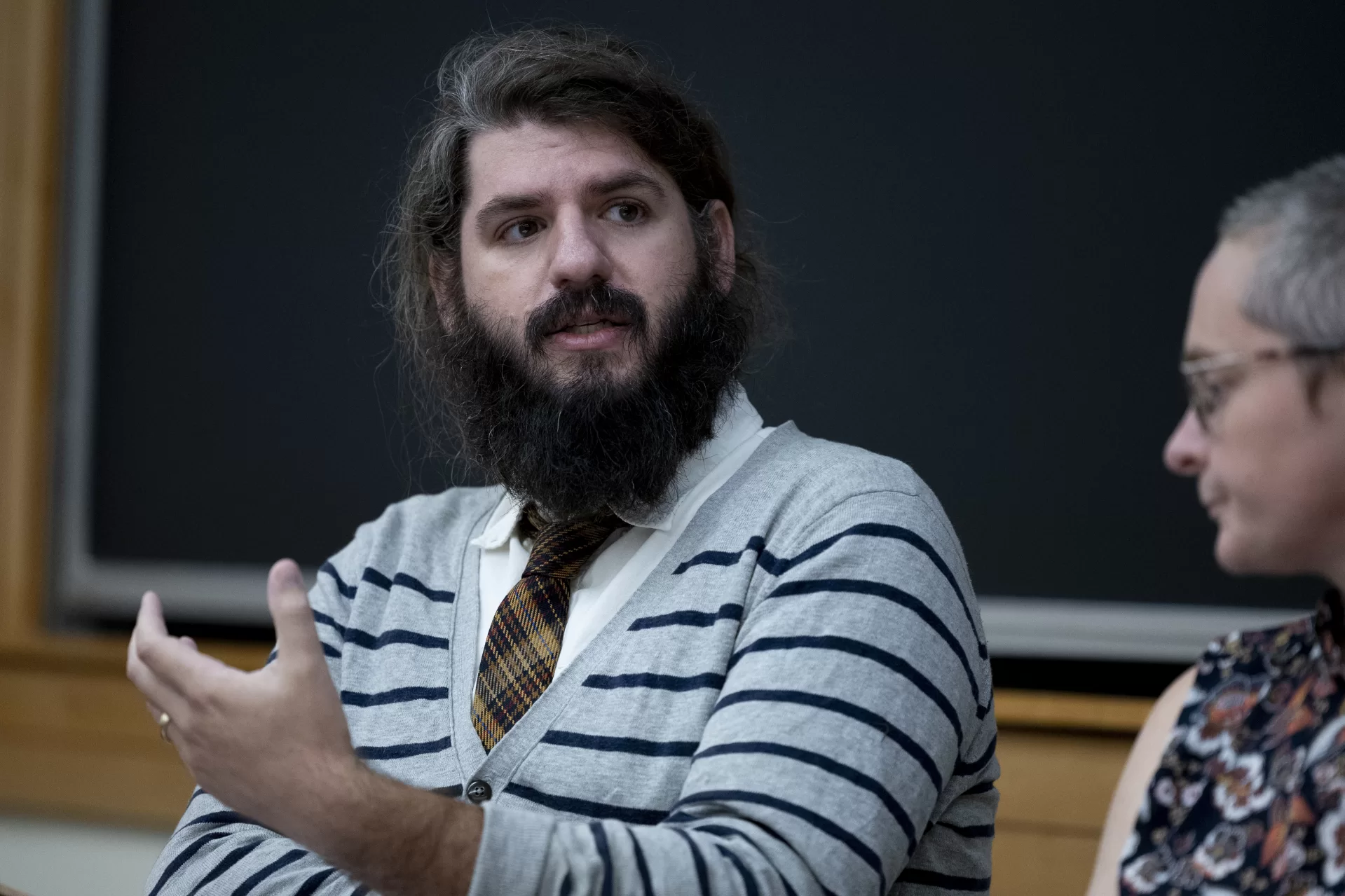
Mark L. Tizzoni has been awarded tenure and promotion to associate professor of classical and medieval studies and history. Tizzoni earned an M.A. and a Ph.D. in medieval studies at the University of Leeds, specializing in late antique and medieval studies. Tizzoni’s teaching focuses on the history of a broader, more globally-defined Middle Ages that centers Africa in wider Mediterranean and Afro-Eurasian worlds. His course offerings consider the Mediterranean world broadly, but give particular attention to the Maghreb, the Horn of Africa, West Africa, and the Iberian peninsula.
Tizzoni’s research focuses on the transformation of the Roman world in the fifth through seventh centuries C.E. He is particularly interested in questions of identity, social cohesion, and how cultural production can be used to help understand and navigate times of drastic social change (such as those witnessed in the aftermath of the Roman Empire in North Africa). As an interdisciplinary cultural historian, Tizzoni employs late antique Latin poetry to engage with these questions, focusing on the collections that have survived from sixth-century North Africa and seventh-century Iberia. He is currently writing an open-access book with Kısmet Press entitled The Maghreb in Late Antiquity.
Before coming to Bates in 2020, he taught pre-modern African, Iberian, and United States history at Angelo State University in San Angelo, Texas, and worked as a professional horticulturalist in Northeastern Pennsylvania.
Categories Academic Life BatesNews