Short Term, a Bates “minimester” of three-and-a-half weeks during which students take only one course, is here. Course offerings run the gamut, touching on everything from pop culture, to business to test preparation, and give students the opportunity to deeply engage with a single topic.
During Short Term (which starts May 4 and ends May 27) students get the chance to extend their learning beyond what they usually find on campus. Through Bates’ practitioner-taught courses, which invite professionals across disciplines to share their work and career pathways with students as visiting instructors, students explore subjects outside of the core liberal arts curriculum. During off-campus Short Term courses, students conduct fieldwork, research, and culture in places like Arizona, Zambia, Hungary, Poland, Italy and more.
Below, explore 10 of the 100-plus Short Term courses offered this spring.

Visiting Assistant Professor of Biology Brecia Despard is teaching “Biological Skills: Field Ecology,” a course specifically designed for students interested in pursuing internships and careers in the biological sciences. This course will introduce ecological principles and research methods across major coastal marine biomes, and help students develop field skills specifically geared toward these kinds of ecosystems. Additionally, students will learn how to analyze and create visualizations using data they collect in the programming language R.
Professor of French and Francophone Studies Mary T. Rice-DeFosse will teach students about the representation of French culinary traditions in her course “Cooking Up French Culture.” By observing how French food is prepared and eaten in film and literature, students will come to understand how the French identity has changed in the modern era. Plus, students will get the opportunity to prepare and serve dishes of their own creation.
With her course “Feminist Political Theory (Taylor’s Version),” Assistant Professor of Politics Lucy Britt will merge pop culture with political theory. The course examines Taylor Swift, the moment’s most popular female musical artist, and her larger-than-life persona and cultural impact in terms of how they interact with or expand upon feminist theory. Covering everything from celebrity politics to intersectionality and queer counter-readings to norms of motherhood, this course dives beyond online discourse to offer students vocabulary and knowledge for discussing “Miss Americana” and pop culture feminism more broadly. Students will end the course with their very own — or, as Swift would say, “Taylor’s Version” — research product comprising original data collection.
Visiting Assistant Professor of History Frances Bell will be teaching “Lewiston: A History of a Place,” a course that combines in-class learning and site visits to gain a more comprehensive understanding of Lewiston — the beloved home of Bates College — and its rich history. Through in-class learning, field trips, and creative projects, students will gain a holistic understanding of how the spatial history of Lewiston has changed from the times of Indigenous settlement to the post-industrial period.
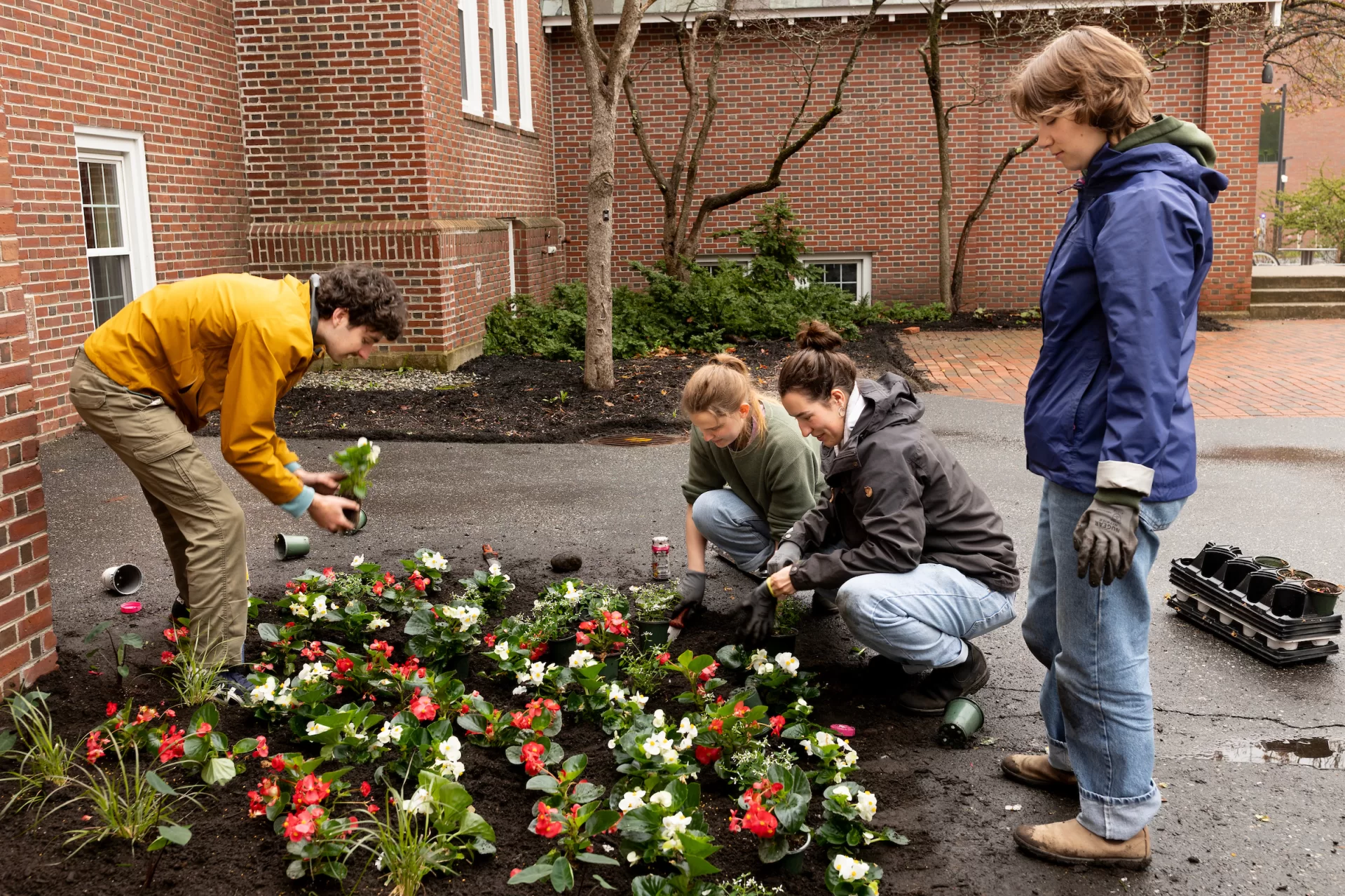
In “Maine’s Marine Resources,” Assistant Professor of Economics Amanda Lindsay will be teaching students about the health and management of marine resources in Maine. On day trips along the Maine coast, students will be able to see firsthand the challenges marine management systems face. This course is aimed at students who are interested in natural resource economics, a field that Lindsay specializes in.
While Bates ceramics students usually use a gas reduction kiln to fire their clay projects, this Short Term, Lecturer in Art and Visual Culture Susan Dewsnap is teaching “Pit Firing Ceramics: Contemporary Approaches to an Ancient Process of Firing Ceramic Objects.” Pit firing is an ancient approach to firing ceramic objects that uses an actual fire pit to transform raw clay pots into finished work. In this course, students will use organic materials that they gather to decorate their work and see how firing in a pit results in surprising outcomes.
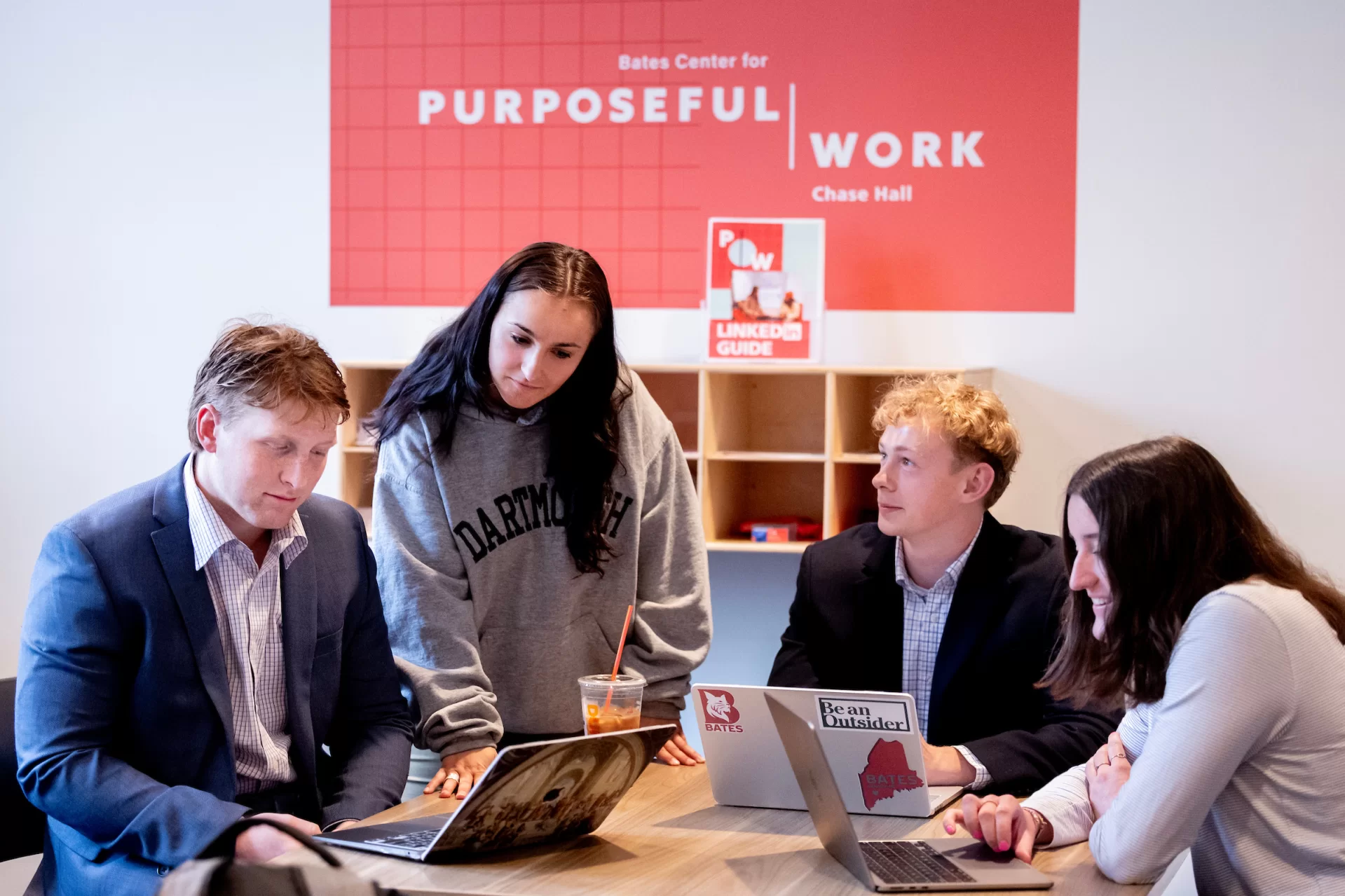
Faculty members and alumni from the Tuck School of Business at Dartmouth College are coming to Bates this Short Term to teach “Practicum in Business Consulting: Bates-Tuck Business Consulting Essentials” — a course that teaches foundational business skills through a client-focused project management framework. Students will learn through a case study that simulates real-world business challenges and gain confidence in decision-making processes. This is the second year that Bates has offered a business course led by Tuck alumni and faculty as part of its Short Term practitioner-taught courses. Peter Friedman ’92, P ’24, P ’26, who earned an MBA from Tuck in 2003, and is a Bates trustee, will serve as practitioner-in-residence for this course, with additional Tuck-associated instructors Aram Donigian, Amy Florentino, Patroklos Karantinos, and Conwell Worthington III.
“Practicum in Mediation and Restorative Practices” is a practitioner-taught course that functions as a conflict resolution skills workshop. Through techniques used by restorative justice practitioners such as circle facilitation and restorative language and problem-solving approaches to resolving disputes used by meditators, students will acquire tools to improve communication and facilitate cooperation and collaboration. Practitioners-in-residence for this course are Margaret Micolichek, Jamar Williams, Karen Groat, and Leah Boyd.
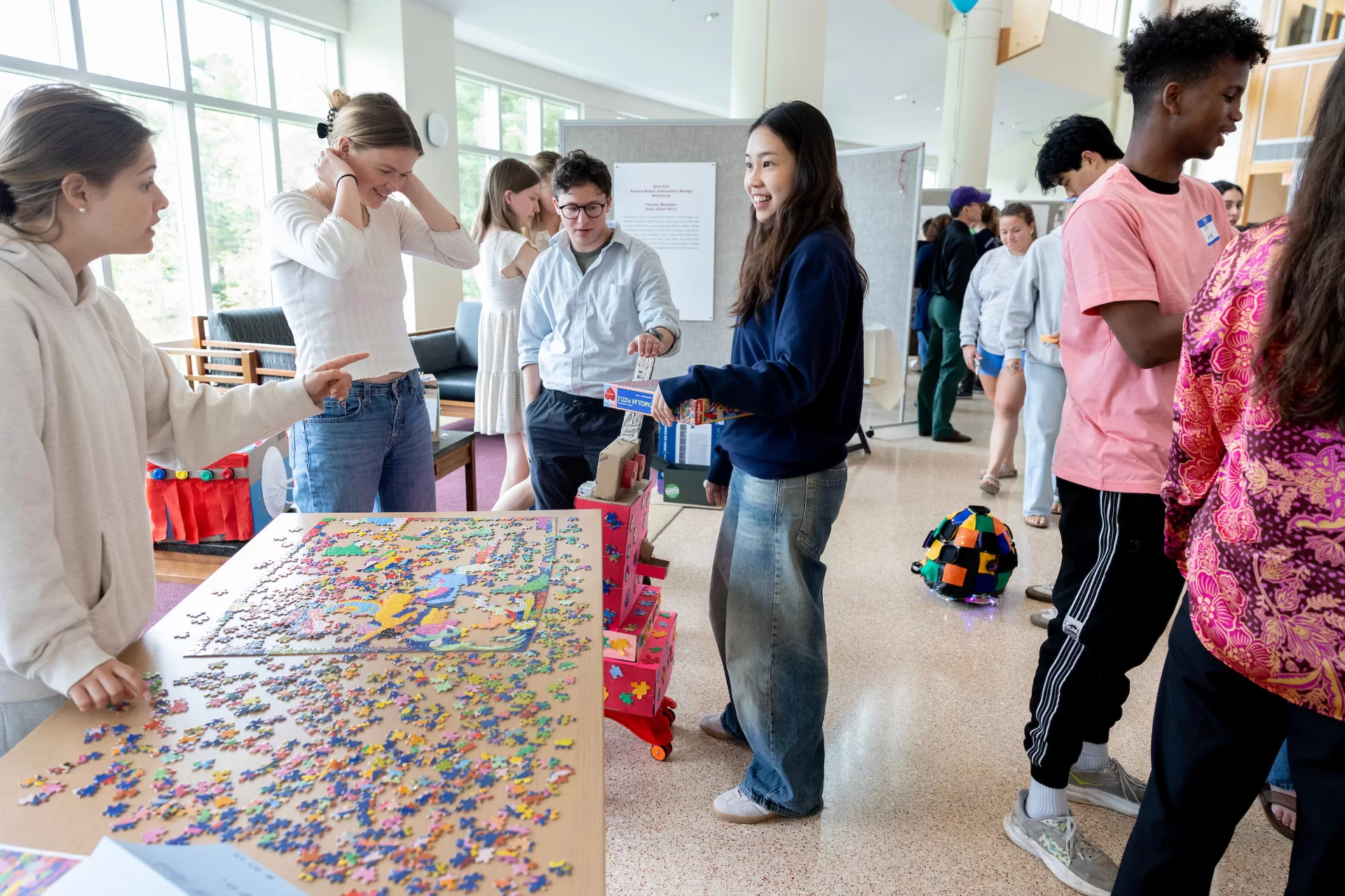
“Practicum in Public Health” is a practitioner-taught course taught by Leah Elsmore ’12, a senior healthcare consultant with consultancy firm North Highland, that teaches students how to apply qualitative methods to public health challenges in a mix of traditional and experiential academic settings. In the classroom, students will learn about public health foundations and various qualitative research techniques. In the community, students will have a chance to apply what they learned in the classroom, working to solve a concrete health challenge in Lewiston.
For juniors and seniors planning to attend law school, the course “Short Term 2026 LSAT Prep” is an opportunity to get ready for a crucial part of the application process. Ben Paris, who holds a JD and has for 30 years worked in test prep and education design, will lead the three-week practitioner-taught course. This course is made possible by a generous Bates donor, meaning there is no cost to Bates students.
Reporting by Charlotte Comrack ’27 of Washington, D.C., and Ramona McNish ’28 of Palo Alto, Calif.
Faculty Featured

Brecia A. Despard
Visiting Assistant Professor of Biology
Mary T Rice Defosse
Shreya Arora
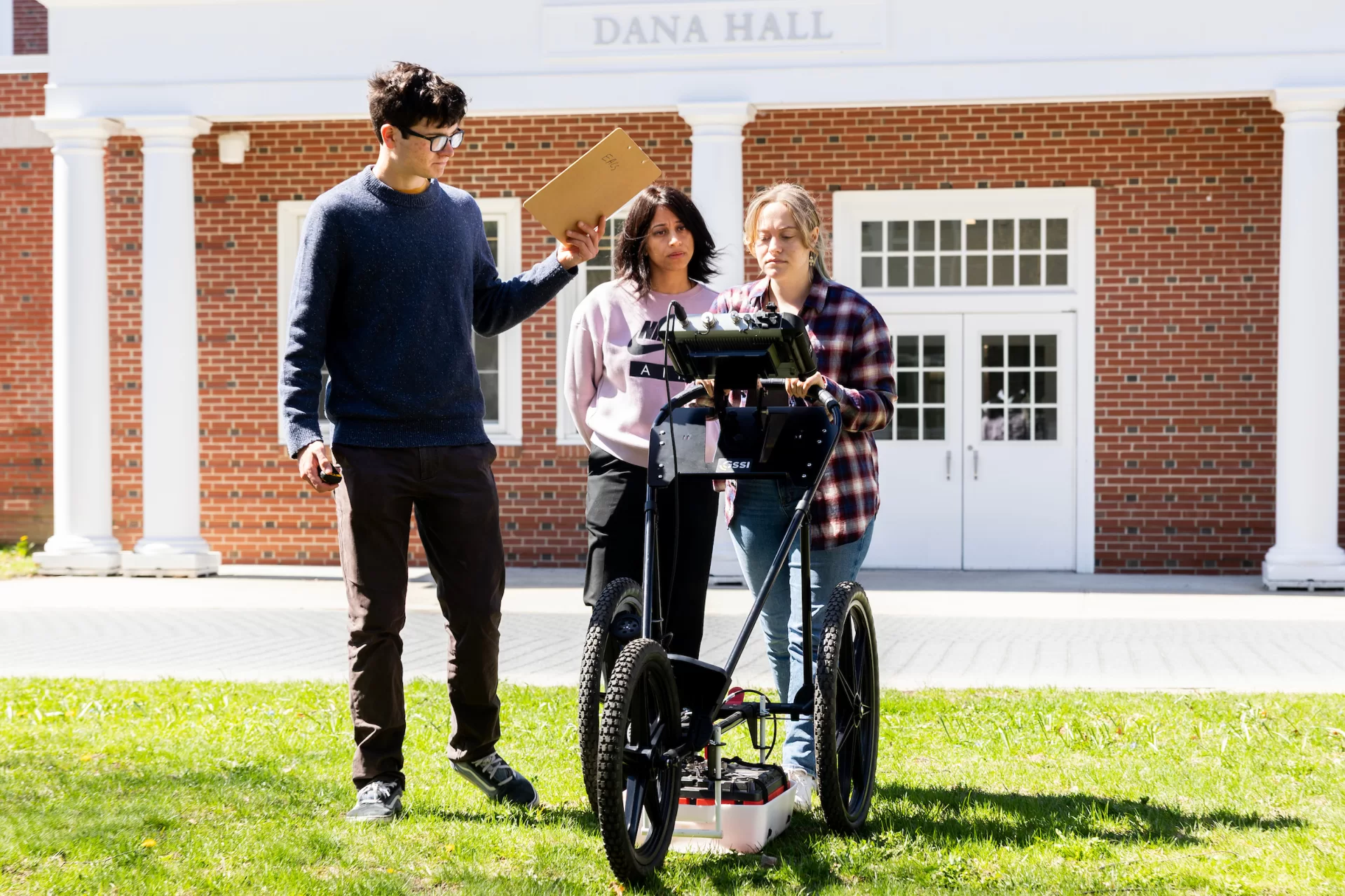
Assistant Professor of Earth and Climate Science
Lucy C. Britt
Assistant Professor of Politics
Frances R Bell
Amanda R. Lindsay
Assistant Professor of Economics
Susan A. Dewsnap
Lecturer in Art and Visual Culture
Categories Academic Life BatesNews