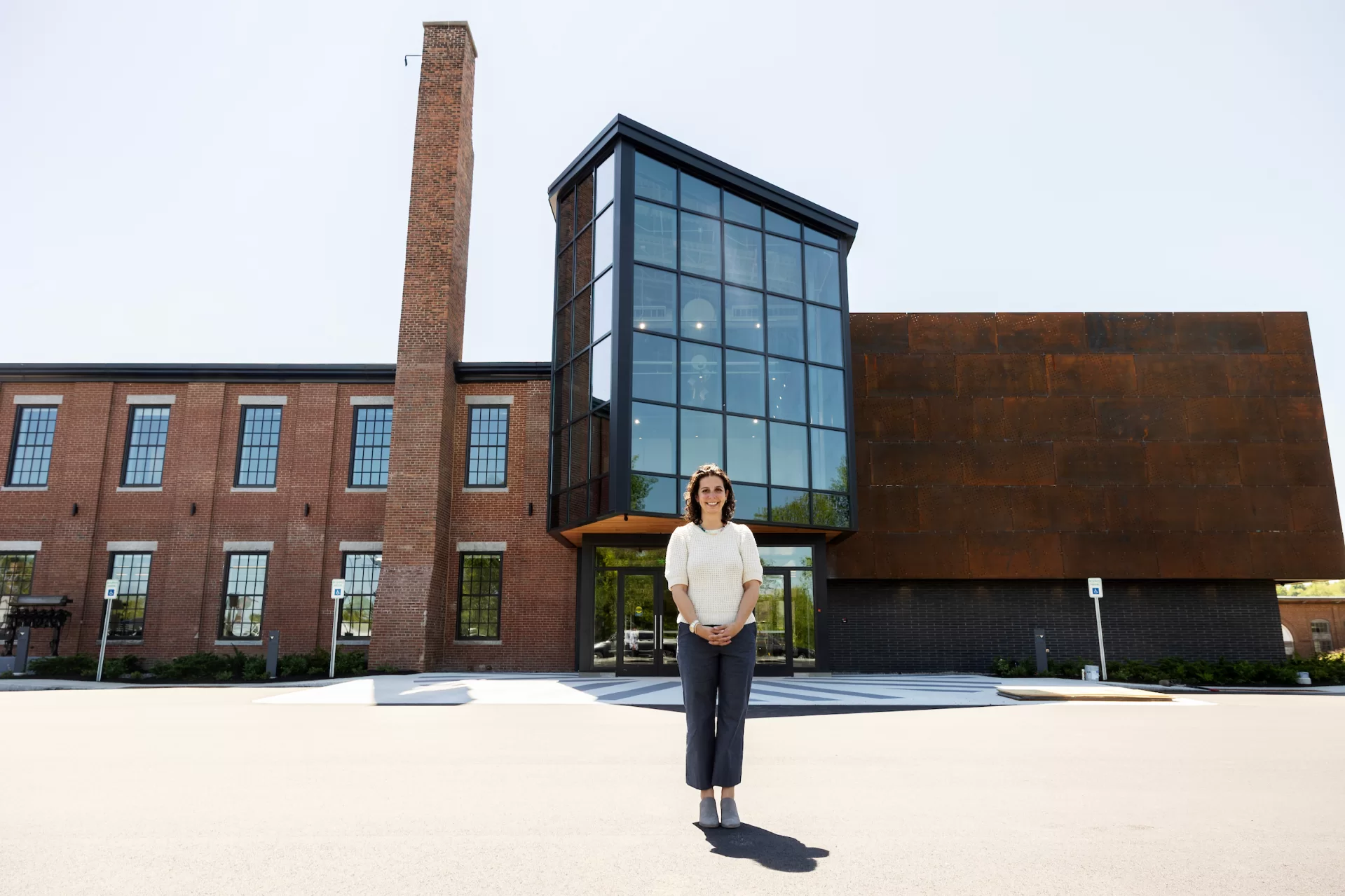
Since its founding in 1996, Lewiston’s Maine Museum of Innovation, Labor, and Learning (formerly Museum L/A) has engaged in a decades-long educational partnership with Bates College. That’s no surprise, given that the museum called the Bates Mill Complex home for the last 30 years.
In recognition of that relationship, Bates is making a $75,000 gift to Maine MILL’s new, stand-alone building, which opens June 27. Visitors to the new museum at 1 Beech St. — housed in another mill, most recently known as the Camden Yarns Mill — will enter through the Bates College Welcome Center.
“We are delighted to partner with Maine MILL as it starts a new chapter in its new home,” said Bates President Garry W. Jenkins. “Both institutions share a commitment to education and access that makes this collaboration a perfect fit. And we love the thought that Bates will be one part of the rich and complex Lewiston story that guests from around the country and the world will learn about during their visit to Maine MILL.”
The Maine MILL gift is the most recent example of the college’s investment in the region. Since Rachel Ferrante ’10 joined the museum in 2021 as executive director, the Bates-Maine MILL partnership has only expanded.
“Bates is an enormous asset for Lewiston, as Lewiston is an enormous asset for Bates,” Ferrante said. “We’re thrilled that Bates is deeply invested in the partnership with Maine MILL and connection to Lewiston.”
This partnership reinforces Bates’ longstanding and deep commitment to Lewiston. For decades, the Harward Center for Community Partnerships has brought campus and community together to enrich the learning experience for Bates students and the lives of our neighbors in Lewiston and Auburn.
“At Bates, we examine what it really means to join — as equal participants — within a community’s self-led work, however the community is defining it,” says Darby Ray, director of the Harward Center. “This goes beyond superficial forms of place-based engagement. It’s not just, ‘We’re located here so let’s get involved.’ We are committed to doing the deep listening to understand what is really happening in the community and how we might join the community’s work. And we’ve tried to model that kind of accompaniment or presence over decades, which has fostered relationships of trust and accountability.”
The museum was founded in 1996 to preserve artifacts and stories from Lewiston-Auburn’s once-prosperous textile mill industry. When Associate Professor of History Joe Hall first took students to Maine MILL — then called Museum L-A — in 2003, there were weaving looms still threaded and covered with “dust fiber hanging like Spanish moss from trees,” Hall said. They sat exactly where they had been when the mill was operating. He quickly realized how valuable it was for students to physically observe the industries they were learning about in his courses. It was a way, he said, to show that history doesn’t just happen “in some imaginary cloud world.”
Not long after, trips to the museum became a regular part of Hall’s “U.S. Environmental History” course. Numerous other Bates faculty have also brought their students to the museum to supplement courses on everything from economics to Japanese textiles to Francophone history.
“It’s been great as a way of grounding their learning, but also showing what it is that people here want to teach other people,” Hall said.
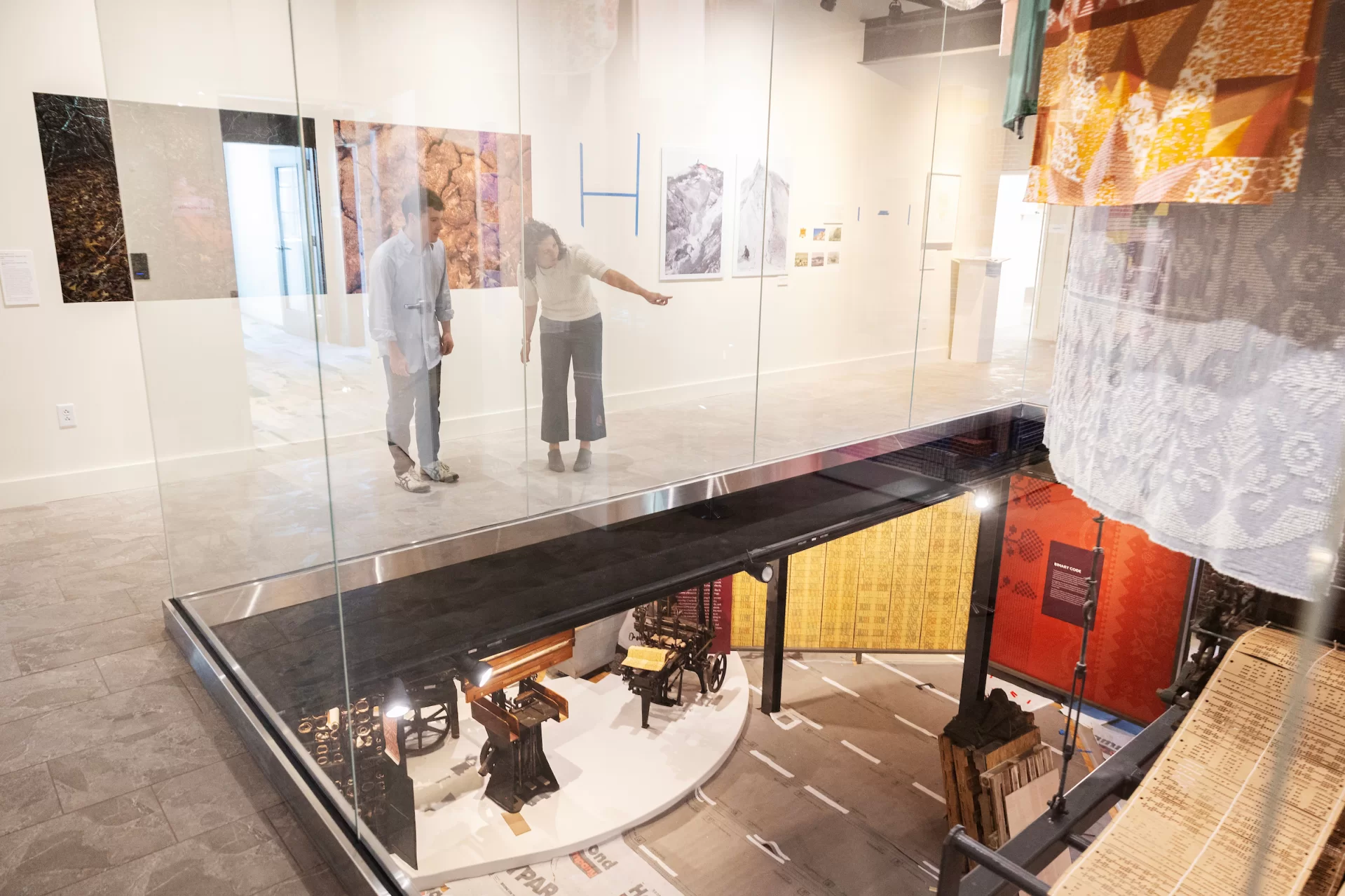
Students appreciate, Hall said, that the museum is led by a Bates graduate. Ferrante oversaw the 2023 rebranding to Maine MILL, a name that aligns more closely with the museum’s subject matter and reflects the institution’s goal to tell more wide-ranging stories from the region. Bates faculty have supported that effort; Associate Professor of Sociology Marcelle Medford, for example, led an extensive project collecting oral histories from Black Mainers, now included in the museum’s collection.
“We are focused on making sure that as a community history museum, we are telling the broadest version of our area’s history,” Ferrante says. “That also means what history has looked like here over the last 20 or 30 years since the mills have closed. Of course, Black voices have been incredibly important before that time, but are a huge part of Lewiston’s more recent history. Having that represented in the collection felt like a critical missing piece.”
Bates also connects with the museum through student interns, like Tristan Seavey ’26 of Calais, Maine, who has interned at Maine MILL off and on since his first year on campus. During his last Short Term at Bates, he completed a full-time internship at the museum funded through the Harward Center for Community Partnerships. A double major in history and German, Seavey is also Hall’s student.
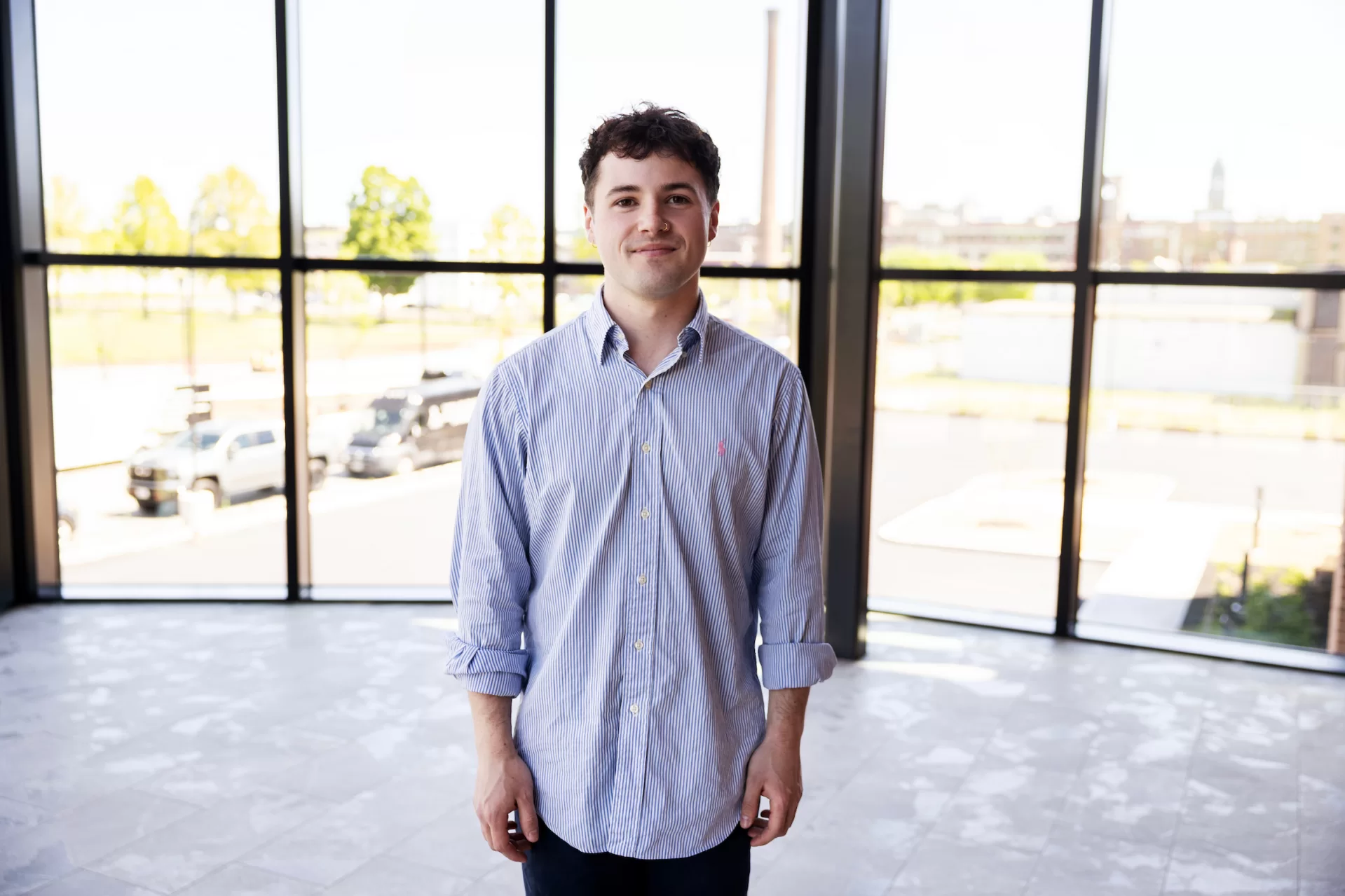
As an intern, Seavey has led museum tours, done archival and operations work, helped with event planning, and 3D-scanned the gallery. He developed a passion for telling stories about people who have been underrepresented in popular history, inspired by Ferrante and Hall’s work.
The internship “changed the way that I approach history,” Seavey said. “Before Bates and before working at Maine MILL, it was really just listing off dates and doing timelines. But working with Rachel and also working with Joe and doing my own research, I’ve really had this new perspective on how we tell history in a compelling way.”
Seavey’s senior thesis, which Hall advised, retraced the steps of a Black family living in his hometown of Calais in the mid-19th century, ultimately arguing that the impact of the Black community on that area was more important than previously discussed.
Hall watched as Seavey applied what he was learning at Bates to work that needed to be done in the community, and then returned to the classroom, enriched by the experience. “It was really helpful to see how one person can use what they learn to offer new lessons to others,” Hall said.
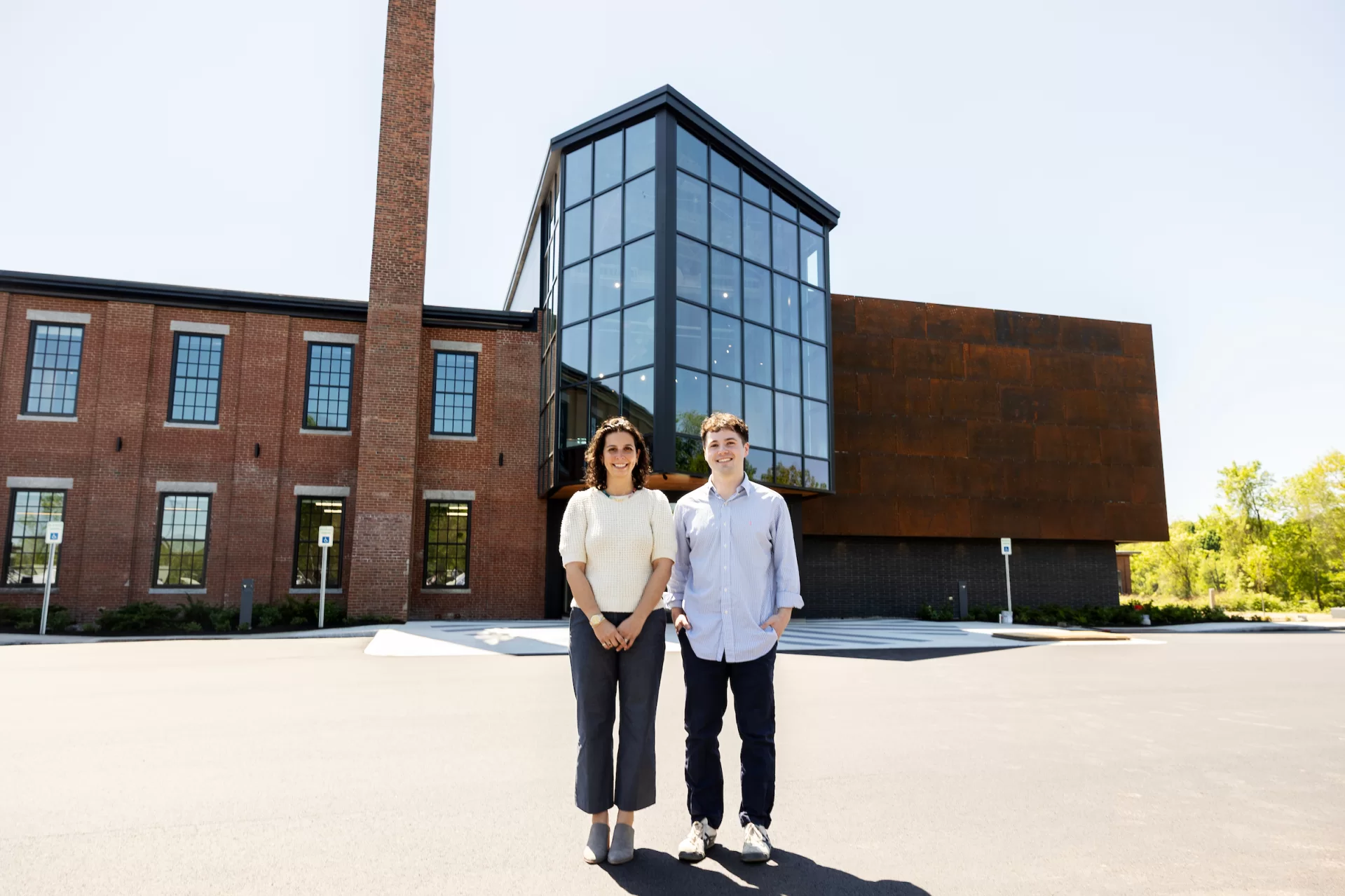
Additional partnerships between Bates and Maine MILL include the museum’s annual fundraiser, Soirée en Blanc. Bates Dining, Conferences, and Campus Events handles catering for the events, and many Bates dining staff members are from Lewiston-Auburn, Ferrante said, turning the fundraisers into full-circle moments.
“This museum is their museum, and what excites me is that they are helping make their own museum possible,” she said.
This year’s Soirée en Blanc will be held in the new museum building on Friday, June 26, the evening before the museum officially opens, meaning that Bates will have a hand in welcoming the public to the new space for the first time.
“One of the things that makes this place so special is the relationships and the community that exists here,” Ferrante said. “It’s a huge part of what drives what we do and why we do it and who we do it for.”
Faculty Featured
Darby K. Ray
Dir of HCCP and Donald W. and Ann M. Harward Professor of Civic Engagement
Joseph M. Hall Jr.
Associate Professor of History
Marcelle M. Medford
Associate Professor of Sociology