News
Highlights
The Fall 2026 Bouley-Creasy Fund awards were recently announced! Awardees include: Cal Dagner studying the tectonic history of New England, Erik Lindholm evaluating the carbon storage history of Bass Harbor Marsh, Alessandra Fariñas investigating the impacts of restoration efforts on West Webhannet Salt Marsh, and Sadye Cheever working on Himalayan fault geometry. We are excited to see how their projects develop this academic year!
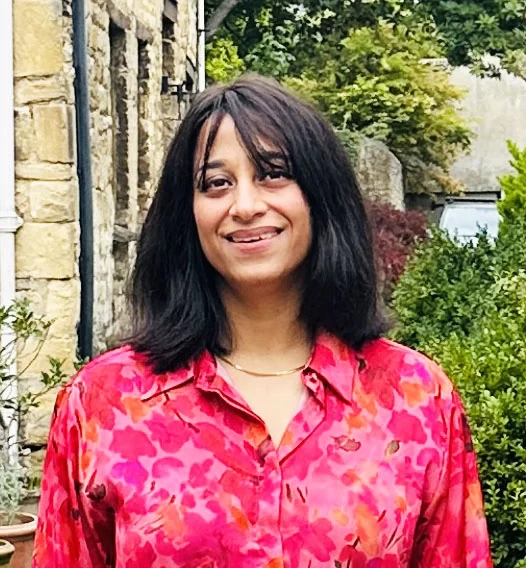
Dr. Shreya Arora has been elected to two new leadership roles of national geoscience organizations. Dr. Arora was recently elected as Chair of the Geology and Society Division at the Geological Society of America (GSA) and will serve as a liaison between the division and the Geology and Public Policy Committee at GSA. She has also been elected as the co-Chair of the Professional Development and Networking Committee for the Earth Science Women’s Network, an organization dedicated to increasing diversity across the geosciences.
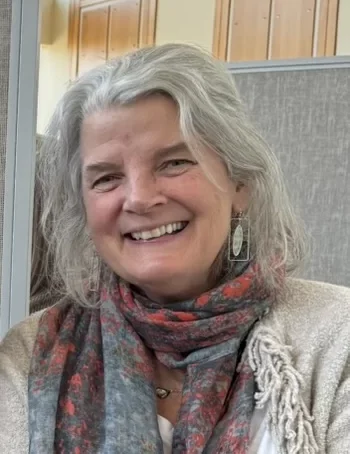
Bev Johnson and collaborators recently secured a two-year Maine Climate Foundation grant for their project, “A Two-Eyed Seeing Approach to Welimahaskil (Sweetgrass) Habitat Characterization and Expansion.” By weaving Indigenous knowledge with Western science, the team will study the salt marsh conditions necessary to protect and expand this culturally vital plant as the climate changes.
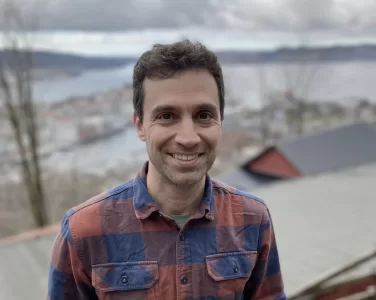
Dr Nick Balascio, co-authors a paper investigating the timing of drought on Rapa Nui (Easter Island) during the decline in megalithic monument construction in a recent Communications Earth and Environment publication. Access the paper from here!
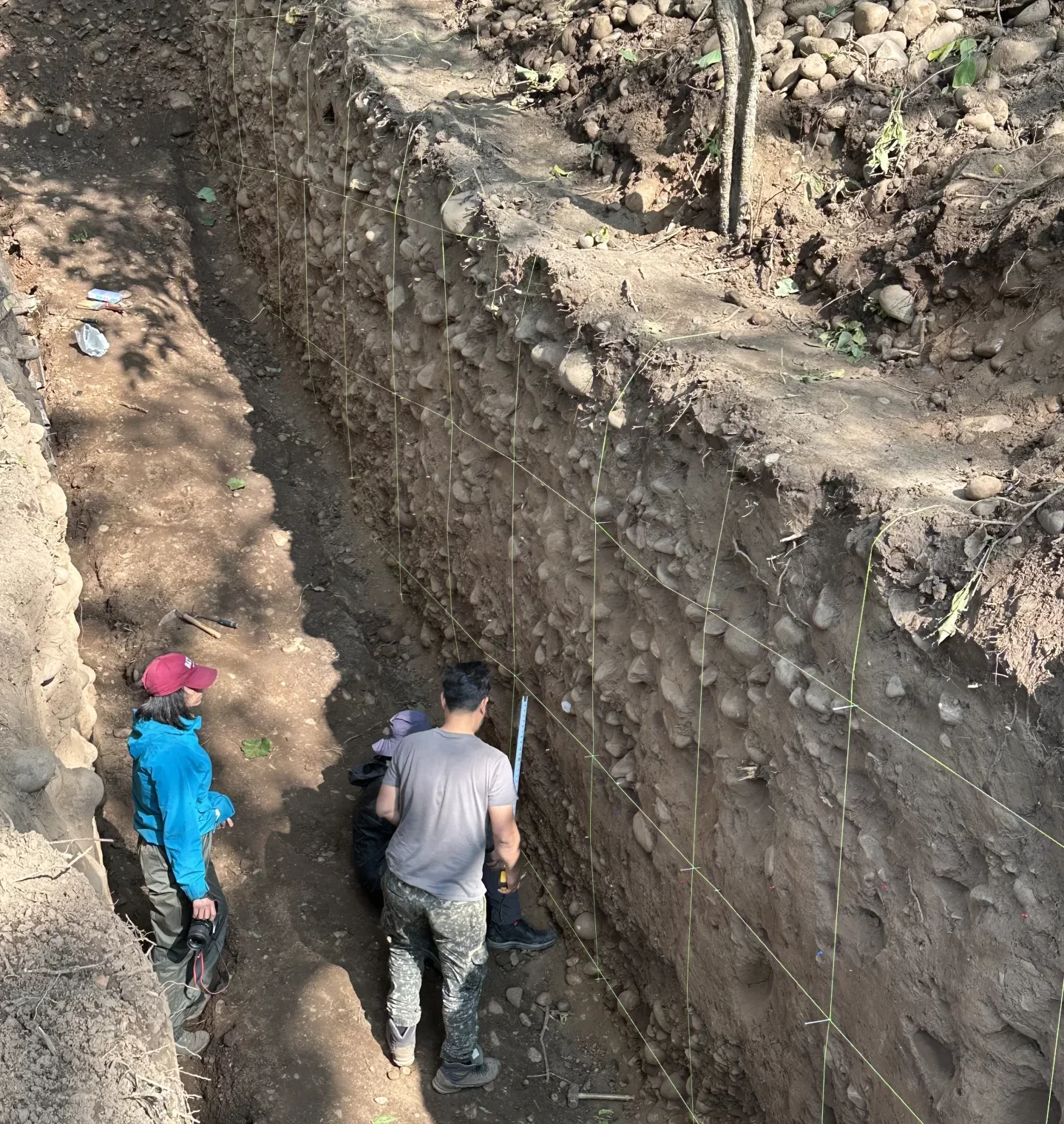
Dr Shreya Arora published a recent article with Bates undergraduate students in a peer-reviewed journal, Nature Scientific Reports, which presents evidence of three major earthquakes since the 14th century. These events include rupture lengths of up to 490 km and estimated magnitudes as high as Mw 8.7. Her findings highlight the critical role of structural asperities in governing rupture behavior along one of the world’s most seismically active plate boundaries. Access the paper from here!
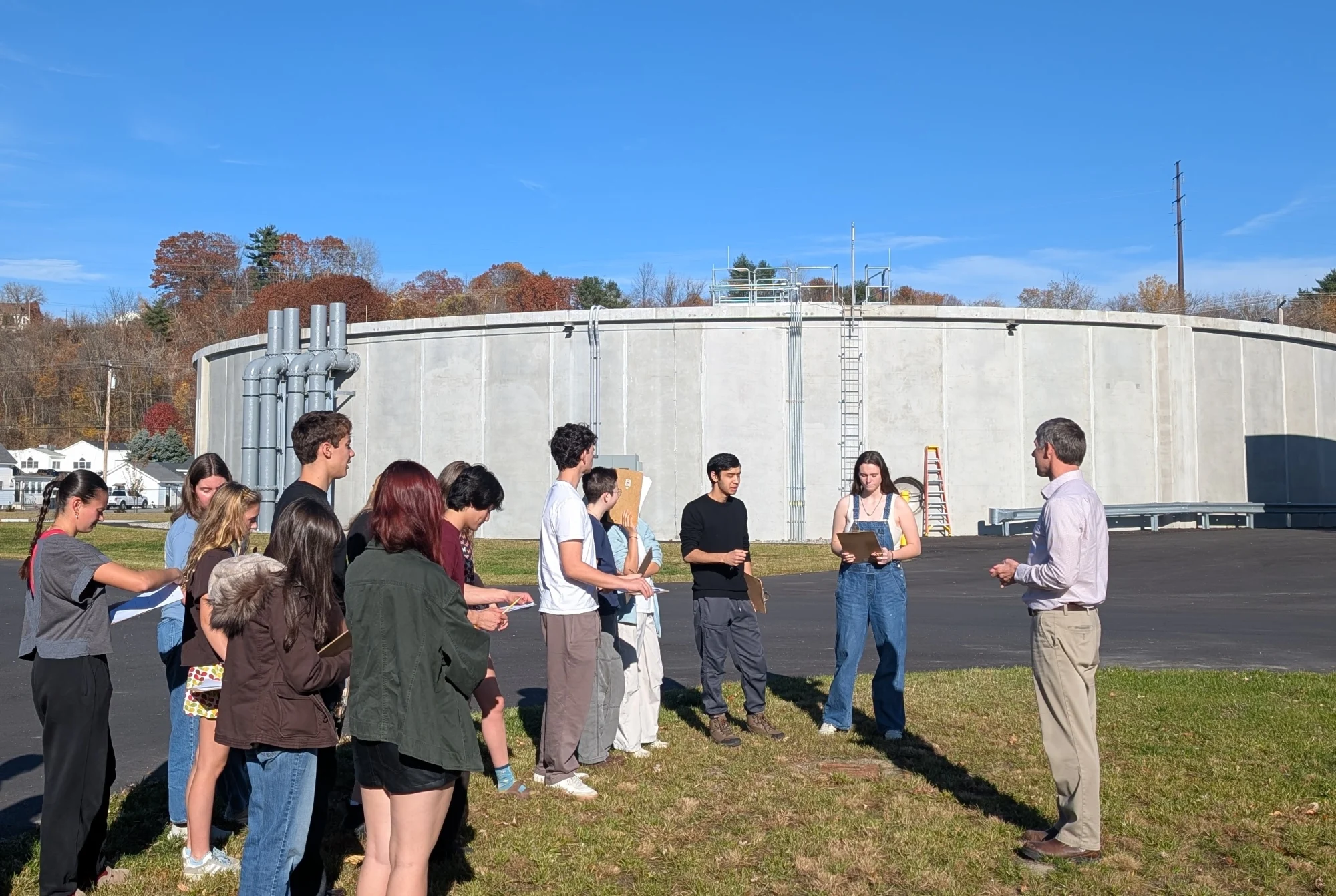
Students in EACS 109 (Earth’s Climate System) recently toured the Lewiston-Auburn Clean Water Authority: the facility’s new combined 2.1 million gallon sewer overflow tank is now operational to treat storm water and prevent pollution of the Androscoggin River and local watersheds.
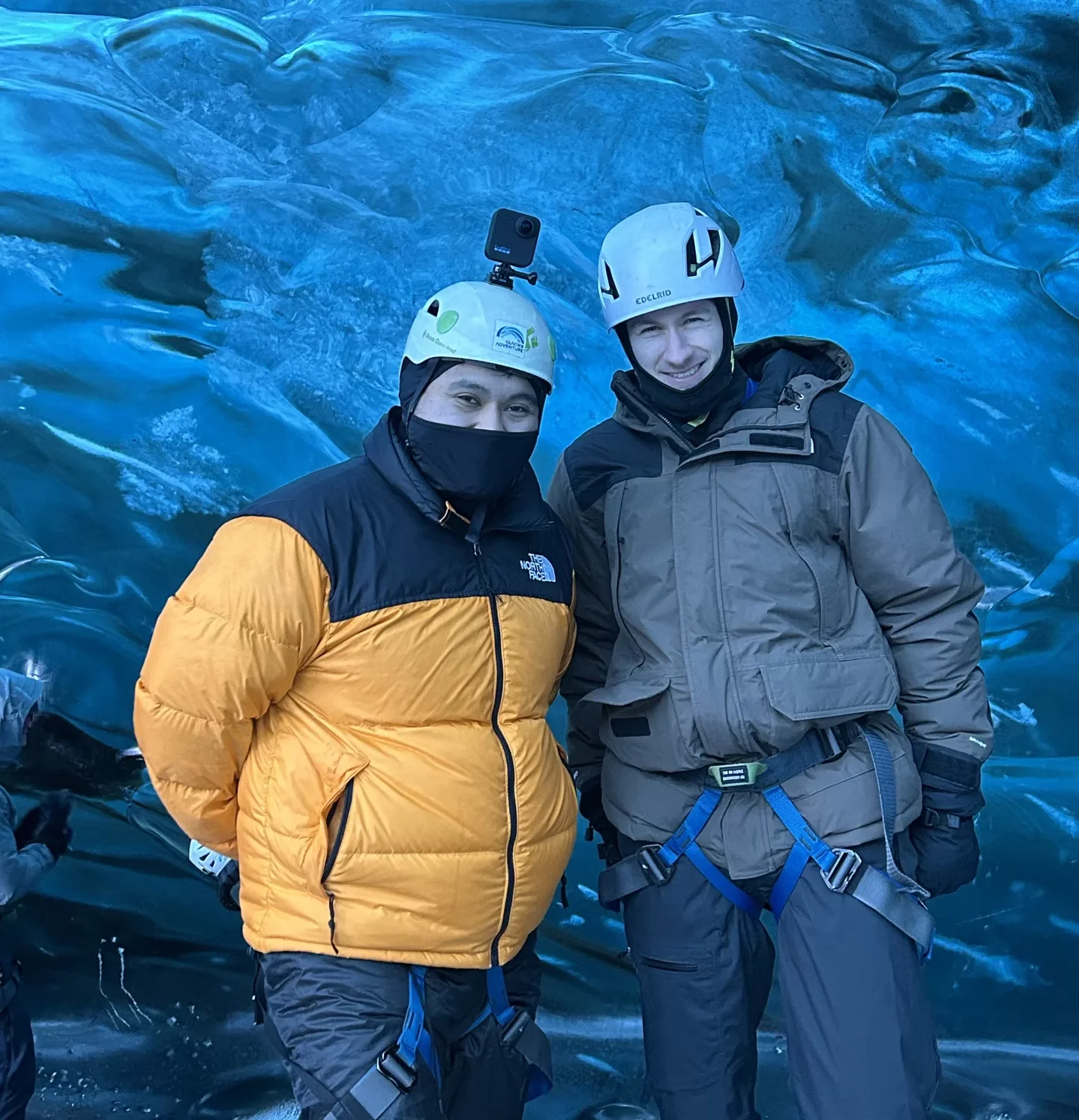
Two EACS bobcats Chris Vullo (left) and Lucas Wyman (right) studying abroad at the University of Reykjavik in Iceland. Here, they are visiting an ice cave in the Breiðamerkurjökull glacier, which is part of a bigger ice cap called Vatnajökull. February, 2026.
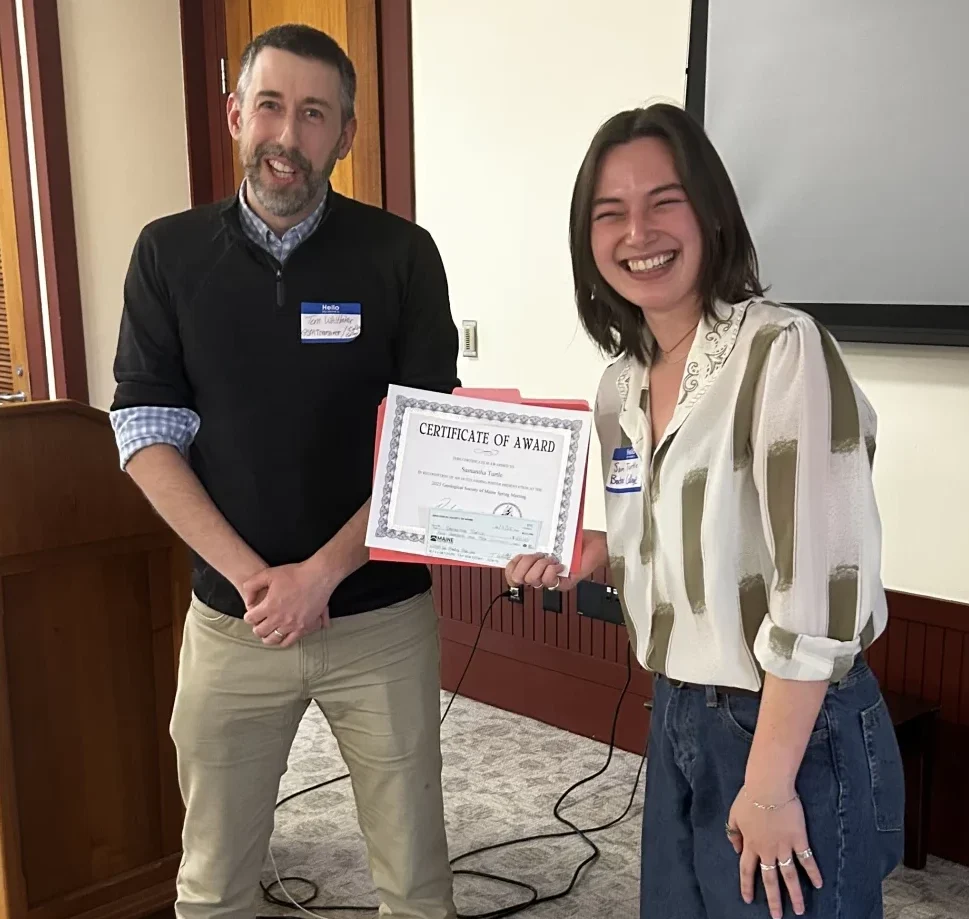
Sam Turtle, senior and honors thesis student, receiving Best Poster Award at the Geological Society of Maine (GSM) 2025 meeting at Colby College for her work on cod, ocean circulation, and food web dynamics for the past 4400 years.