Faculty Development
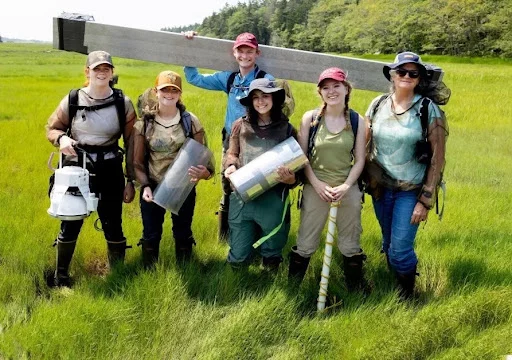
Civic engagement at Bates is rooted in the academic program, with approximately sixty community-engaged learning courses and dozens of community-engaged research projects completed in diverse disciplines each year. Faculty development is critically important to this curricular focus since there is an ongoing need for course development or re-design and the cultivation of community-engaged projects and partners.
If you are a Bates faculty member and you are interested in including a project in the community in one of your courses, we invite you to schedule an initial consultation with a member of our Community-Engaged Learning team. Ellen Alcorn coordinates projects that have an education focus and connections to local schools and youth-serving organizations; Morgan Kinney coordinates projects in multiple disciplines with community partners that are working to address a wide range of social and environmental issues in Lewiston-Auburn and the wider world. If you are uncertain whom to contact and what types of projects you wish to pursue, please reach out to Harward Center Director Darby Ray, who can direct your inquiry and help you to set up a brainstorming meeting. You can look for ideas and learn about the work of our many publicly-engaged faculty members here.
In addition to one-on-one consultations, the Harward Center offers a range of faculty development and support opportunities, including:
- Publicly-Engaged Pedagogy (PEP!) – a semester long community of practice for those wishing to join a supportive cohort of faculty from across the college who are developing community-engaged learning courses with help from Harward Center staff and in collaboration with community experts;
- CEL Lunch Bunch – a low-stakes opportunity for faculty who are teaching a CEL course to get together (over lunch from a local restaurant) to share experiences, resources, and support;
- Book Circles – periodic programs for discussing select articles and books relevant to publicly-engaged scholarship, teaching, and so forth;
- Speakers – periodic guest speakers from both near and far to help grow our knowledge and practice.
- Grants – grants to faculty to support the development and implementation of publicly-engaged academic or infrastructure-building initiatives; and grants to students to support the material costs of academic community engagement.
- Class visits – classroom visits by Harward Center staff to help orient students to CEL work, the local community, and resources for further learning and reflection; and/or facilitated reflection sessions for CEL students, either within or in addition to regular course requirements;
- Assessment tools – surveys to assess student learning outcomes and faculty and community partner experiences and impacts;
- Technical support – support for CEL projects, including partnership and project prospecting, scheduling, and project management;
- Transportation – student access to the college’s Community-Engaged Learning shuttles, which provide rides to CEL placements.
Faculty may also be interested in perusing opportunities and resources offered by these civic/community engagement consortia to which Bates belongs:
Faculty may also appreciate the guidance and resources developed by other colleges and universities; for example:
- Stanford’s Principles of Ethical Engagement – a set of principles for students, staff, and faculty to ensure that your work aligns with your values
- The Guide, Purdue University – a guidebook for faculty engaging in community-engagement based on the experience of Purdue Faculty
We welcome suggestions for additional resources of potential interest to publicly-engaged faculty and staff.