MLK Day at Bates
Every year, I prepare for MLK Day by considering what insights, perspectives, and spaces the Bates community might need in order to cultivate “informed civic action” (from the Bates mission statement). 2025 demonstrated how quickly institutions can shift priorities, decades of trust and goodwill fostered through foreign relations can be uprooted, and the social contracts that offer protections for speech, privacy, and safety for those living in the U.S. can be challenged. In response to the 2026 MLK Day theme of “Love, anger, and the struggle for justice,” the topics that felt appropriate to lift up centered on the inner work of allyship, cultivating spaces for creativity in community, and perspectives from labor, feminist, and racial justice leaders about finding hope in this particular political moment.
In the week leading up to MLK Day, many in our community were concerned about the imminent escalation of Federal immigration and customs enforcement in Maine and its impact on our Lewiston neighbors and community partners. MLK Day itself was a brief reprieve from the concerns and fears, but that reprieve did not last. On the very next day, Federal immigration enforcement began “Operation Catch of the Day”, a ten-day escalation that has resulted in over 200 Maine immigrants and asylum seekers placed in detention, many without criminal records. One thing that has sustained me through this dark time is the many community members who came together to honor Dr. King’s life and engage in the issues and conversations that are deeply resonant with social justice and civil rights. The Harward Center was honored to help organize three of those conversations:
Loving Your “Enemies”: Learning allyship and solidarity during moments of adversity
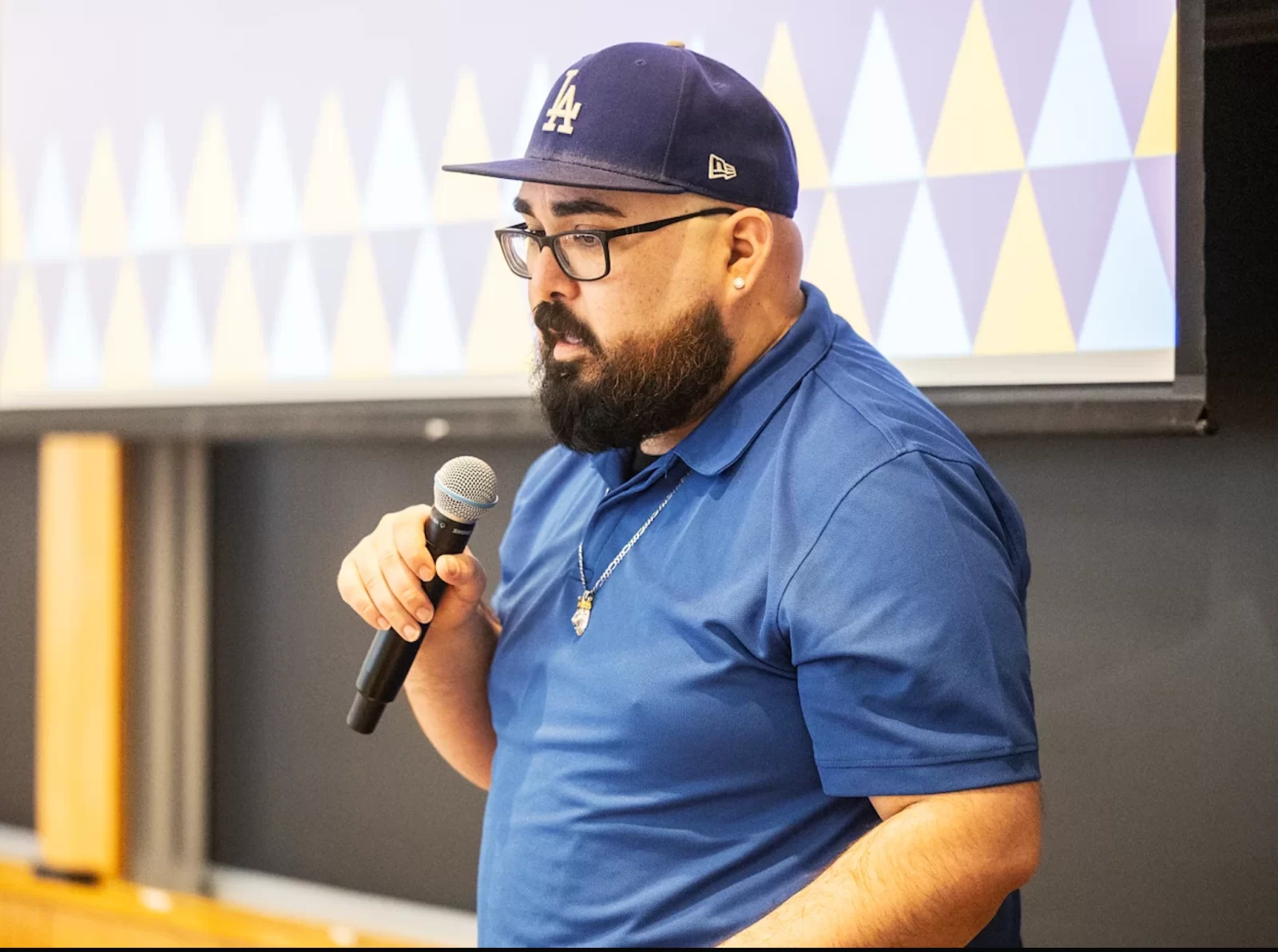
Along with our partners at the college’s Student Center for Belonging and Community, we held an MLK Day workshop on the urgency of allyship and solidarity, especially in support of transgender people and immigrants, who have experienced unprecedented attacks at a state and federal level. Inspired by Martin Luther King Jr.’s “Loving Your Enemies” sermon, the workshop invited participants to reflect on allyship as a community responsibility, navigating our complex lived experiences, identities, and narratives during hard times. Participants explored the inner work of allyship, which requires conscious consideration of one’s power and positionality, as well as the recognition that allyship is a spectrum. Facilitators acknowledged that allyship can be uncomfortable, imperfect, and sometimes misses the mark. Allyship is manifested in many ways, but we’re not typically afforded the time or space to process what it means to show up in the moment. Participants engaged in small group discussions about their own hopes and fears in allyship, and what intentions they hope to set for themselves in 2026.
Creating Refuge: Zine Making for Creative Community Building
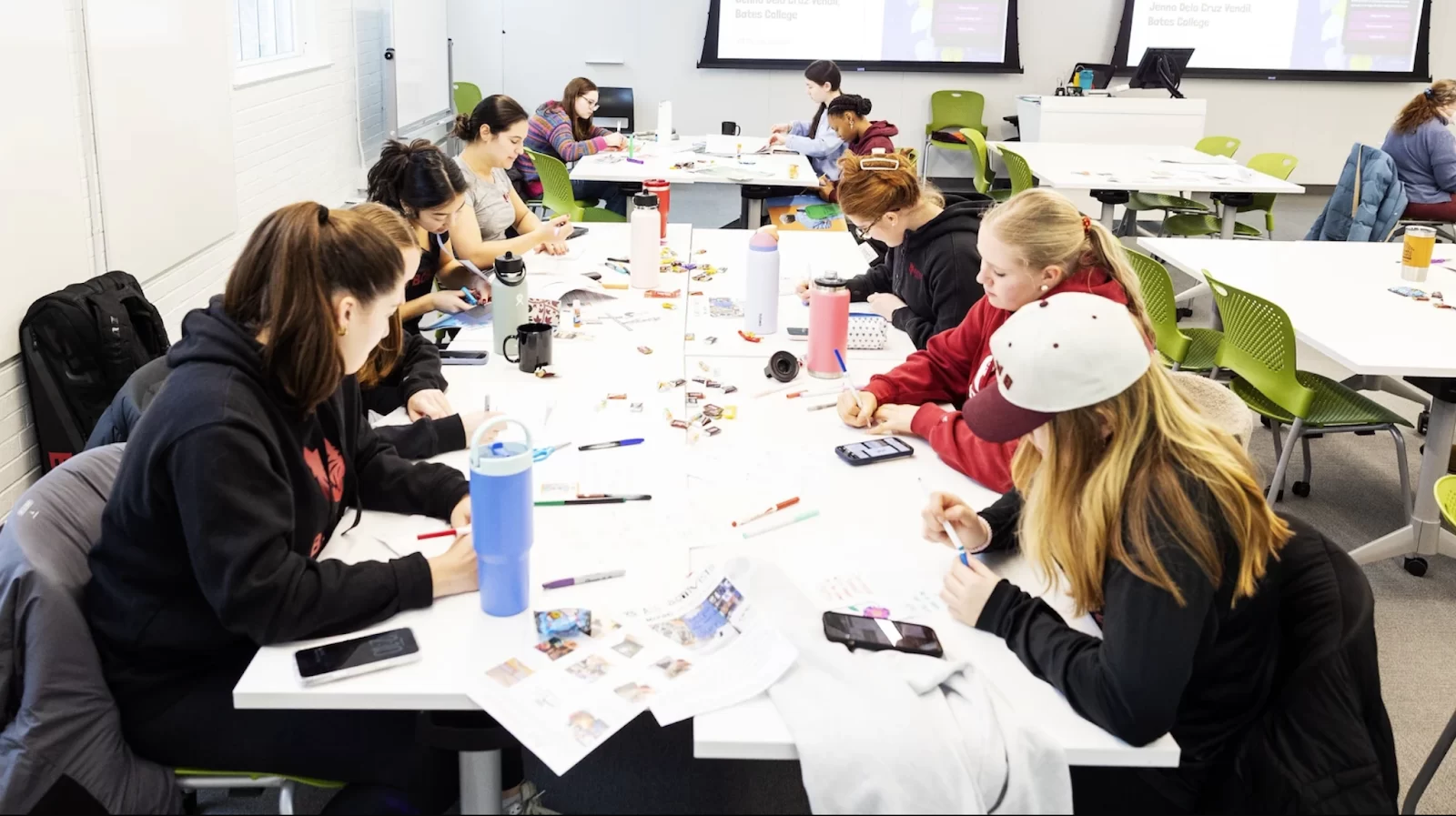
Over the past year, Harward Center programs have explored what “Creating Refuge” looks like for the intersectional spaces that community and civically engaged work occupies. Given that the concept of community evolves over time, how should community engagement centers and practitioners adapt our work in response to complicated times? Questions like this lend themselves to creative exploration, which in this workshop took the shape of zine making. Throughout history, zines have been popular avenues for sharing perspectives, art, or information that can be easily reprinted and distributed. At Bates, zine-making is an activity used by the nonpartisan student voting initiative Bates Votes to engage a variety of student organizations by offering a creative drop-in space for students to make their own voting zines based on the issues they care about. In this MLK Day workshop, participants explored zine-making as a dimension of creative practice and activism, enjoying an intergenerational space for art-making and political expression.
Looking for Light in Political Darkness
This MLK Day session grappled with a new political era in which the role and function of the U.S. government has been rapidly changing, its impacts rippling across public and private institutions and touching nearly all facets of civic life. How can voters process the dramatic policy changes at the national and local level, and what can we expect in 2026? This workshop explored this question in conversation with leaders involved in the areas of gender equity, labor rights, and racial justice. Three esteemed panelists – Destie Hohman Sprague, executive director of Maine Women’s Lobby and Maine Women’s Policy Center; Jan Kosinski, government relations director of the Maine Education Association; and Shay Stewart-Bouley, creator of Black Girl in Maine Media – shared keen insights into today’s public policy landscape and potential strategies for change. Among their words of wisdom to those who wonder how to respond to a world that often feels overwhelming in its complexity and dysfunction was to make the picture we’re looking at smaller by making a regular commitment, whether that’s helping an organization with spreadsheets or data analytics, knocking on doors for a cause or candidate, or attending a rally.
For more information and photos from MLK Day at Bates, click here.