Short Term Practicum: Restorative Justice and Mediation
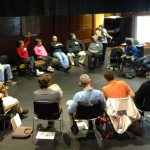
Practitioners in Residence: Leah Boyd and Karen Groat teaching Mediation; Margaret Micolichek and Jamar Williams teaching Restorative Justice (bios below)
Course Overview: This is a two-part course introducing the philosophies and skills used by Mediators and by practitioners of Restorative Justice.
Mediation immerses students in a problem-solving approach to resolving disputes. Drawing from diverse disciplines, coaching, class discussions, presentations, and role play, students gain a deeper understanding of conflict. Using the classroom as a conflict skills workshop, students acquire tools to improve communication and facilitate cooperation and collaboration. Students will receive a Certificate of Completion, proof of 40 hours of mediation training, a commonly accepted state and national standard for new Mediators.
Restorative Justice seeks a humanistic response to conflict, wrongdoing and crime. Students learn the Restorative Justice techniques of circle facilitation, restorative language, and observation, focusing on its practice in the juvenile justice system, in communities, and on college campuses. Many Bates Restorative Practices Advisors have been trained and certified in this Short Term Practicum.
Concentrations and Major/minor information: GEC credit for (C064) Conflict and Threat: War and Disease and Children; (C030) Adolescents and School.
Biographies of Practitioners-in-Residence:
Margaret Micolichek, MPA, a founding member of the Restorative Practices Collaborative of Maine and a licensed trainer with the International Institute for Restorative Practices, works with school administrators and staff to bring restorative practices into schools. She is currently completing her 5th year as a consultant and trainer for a RAND Corporation National Institutes of Health grant working with 14 Maine Middle Schools building restorative practices with staff and young people. As a Program Specialist with the Restorative Justice Project in Belfast she is supporting an initiative at Long Creek Youth Development Center, South Portland which focuses on supporting youth to have a greater understanding of the impact of the harm they have caused, supporting their transition back to community and training staff and youth to utilize restorative processes to build community and resolve conflict. Margaret is deeply committed to working with the justice and corrections systems to shift how society responds to conflict and harm.
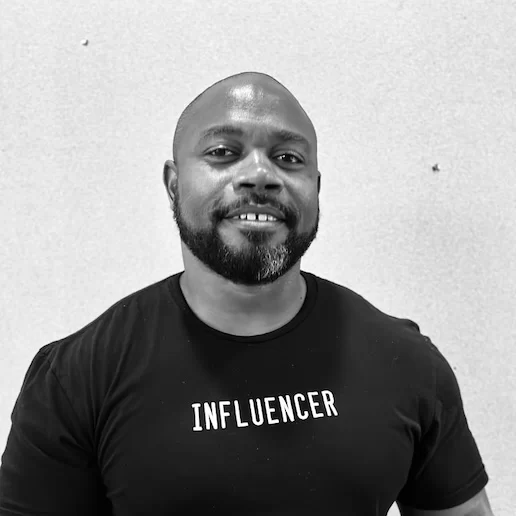
Jamar Williams, founder of Start Where You Are LLC, is a facilitator, teacher, consultant, and emerging author focused on prison re-entry. Throughout his career in corrections, he has championed meaningful change across facilities in the northeast region of the United States, leading with compassion, integrity and an unwavering commitment to rehabilitation. As a facilitator and consultant, he helped shape the global discourse on rehabilitation and re-entry. Known by many as a ‘bridge’ that connects incarceration to community, theory to practice, and trauma to humanity, Mr. Williams offers a unique perspective shaped by more than two decades of combined personal and professional experience.
Whether working in carceral, collegiate, or community spaces, Jamar brings a deep passion for fostering the change he believes is essential for our society today.
.
Karen Groat has enjoyed over 20 years of mediation, consulting, and teaching and currently is adjunct faculty at University of Maine @ Augusta in Justice Studies. As former director of two Family Mediation programs, she worked closely with mediators, families, communities and organizations specializing in complex family matters and multi-party disputes in over 3800 mediations. An experienced Transformative practitioner and conflict coach, Karen combines research from neuroscience, trauma-informed care, and relational practice to assist families as they navigate the many life transitions often exacerbated by other crises in physical or mental health, and the experience of loss or grief. In 2018, she expanded work in collaboration with the University of Maine Cooperative Extension for farmer well-being to include Farm Coaching (receiving the 2021 ERME Outstanding Project Award) and agricultural mediation (MAMP) addressing issues impacting Maine’s agriculture and rural communities and farm succession planning.
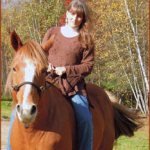
Leah Boyd has been fully immersed in her work as mediator, facilitator & communication skills trainer since 2010. With a diverse background including public school teaching, professional music and human resources, Leah brings wide personal experience to her work with individuals and groups. Leah holds a BS in Education and is a certified trainer with the International Center for Nonviolent Communication, having studied conflict transformation extensively over the past 10+ years. Leah’s work is based upon the foundation of Nonviolent Communication, the process created by Marshall Rosenberg, PhD. She has also trained extensively in a variety of additional styles of conflict resolution and group process.